







The Engine Room: A Modified UDAN Scheme
The primary force behind this expansion is the government's Regional Connectivity Scheme, famously known as UDAN (Ude Desh ka Aam Nagrik). In March 2026, the Union Cabinet approved a modified, more robust version of the scheme, extending it for ten years
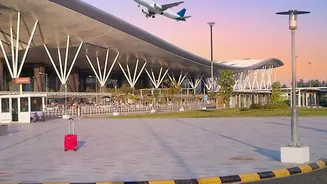
from 2026 to 2036 with a massive outlay of over ₹28,840 crore. This isn't just about building new terminals; it's a strategic push to make air travel accessible in smaller towns and remote areas previously left off the aviation map. The plan involves developing 100 airports from existing unserved or underserved airstrips, ensuring that the benefits of air travel penetrate deeper into the country's heartland. This initiative aims to connect Himalayan regions, islands, and other remote districts, responding to a growing public demand for local airports.
Economic Corridors in the Sky
More airports mean more than just convenience. They are powerful economic engines. According to studies by the International Civil Aviation Organisation (ICAO), every rupee spent on air transport can generate over three times its value in economic activity. This expansion is expected to be a significant catalyst for tourism, trade, and employment. By connecting smaller cities, the government hopes to unlock local economies, making it easier for businesses to operate and for tourists to explore new destinations. The aviation sector as a whole already supports millions of jobs in India, and this number is projected to grow substantially. The new airports and the enhanced connectivity they bring are foundational to creating new business corridors and distributing economic growth more evenly across the nation.
Smarter Travel, Better Connections
Alongside building physical infrastructure, India is also investing heavily in technology to make the travel experience smoother. The Digi Yatra initiative, which uses facial recognition for paperless and contactless travel, is a prime example. Already active at dozens of airports, the system is reducing queues and streamlining the journey from entry to boarding. Furthermore, the government is promoting a 'hub-and-spoke' model. This strategy aims to seamlessly connect passengers from smaller, regional 'spoke' airports to major domestic and international 'hub' airports like Delhi and Ahmedabad. For travellers, this means easier international connections with immigration and baggage check-through handled at their originating regional airport, making global travel far more accessible for those in Tier-2 and Tier-3 cities.
Navigating the Turbulence Ahead
However, this rapid expansion is not without its challenges. Past audits of the UDAN scheme have shown that building an airport doesn't guarantee sustainable flight operations; many routes have been discontinued after the initial subsidy period ended. To address this, the modified scheme includes provisions for operational and maintenance support to keep regional services running. The industry also faces significant headwinds from volatile aviation fuel prices, which increase operating costs for airlines. There are also concerns about putting further strain on already congested major airports, potential shortages of trained pilots and crew, and the environmental impact of a fast-growing aviation footprint. Balancing growth with financial viability and sustainability will be the key test.