



What Exactly Is El Niño?
El Niño, which means 'The Little Boy' in Spanish, is a naturally occurring climate pattern. It's defined by the unusual warming of surface waters in the central and eastern Pacific Ocean. This isn't just a distant oceanic event; this warming is powerful
enough to disrupt atmospheric circulation and alter weather patterns across the globe, including India's. Typically, the phenomenon weakens the trade winds that are connected to India's moisture-rich monsoon winds, which can lead to reduced rainfall and higher temperatures. These events occur every two to seven years and can last for several months, with their strength varying each time.
The Potentially Record-Breaking 2026 Forecast
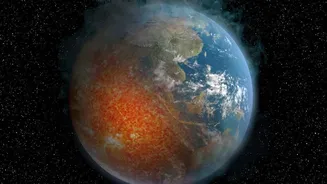
The World Meteorological Organization (WMO) has confirmed that El Niño conditions are not only present but are expected to intensify, potentially becoming one of the strongest on record. Forecasts for the period between November 2026 and January 2027 show a high probability of a 'very strong' event, with sea surface temperatures in a key region of the Pacific projected to be significantly above normal. The WMO has noted that the past twelve years have already been the warmest on record, and this powerful El Niño is expected to release more heat from the ocean into the atmosphere, pushing global temperatures even higher well into 2027.
The Unavoidable Heat Factor
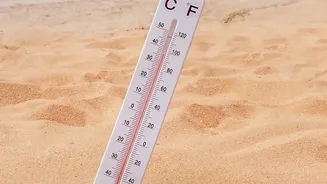
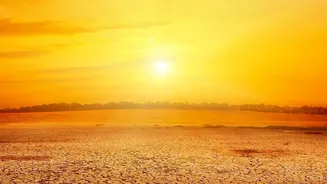
For India, one of the most direct impacts of a strong El Niño is a surge in heat. The phenomenon is known to increase the frequency, intensity, and duration of heatwaves, particularly in central and northwestern India. This happens partly because a delayed or weakened monsoon allows for more clear-sky days, leading to hotter conditions on the ground. Experts warn that the 2026 event could push temperatures beyond previously recorded limits. This isn't just about uncomfortable days; extreme heat poses serious health risks, including heat exhaustion and heatstroke, and can worsen existing cardiovascular and respiratory conditions.
A Troubling Link to Disease
Beyond the heat, there are significant concerns about how El Niño will affect disease patterns. The World Health Organization (WHO) has already flagged India as a nation facing high health risks due to the event. Changes in temperature and rainfall create ideal breeding conditions for mosquitoes, the vectors for diseases like dengue and malaria. With El Niño expected to cause drier-than-normal conditions in some areas and erratic bursts of rain in others, the environment becomes more conducive for these vectors to thrive. While officials don't draw a direct causal line from El Niño to specific outbreaks, it is considered a significant 'risk multiplier' that can exacerbate public health challenges.
What This Means for India
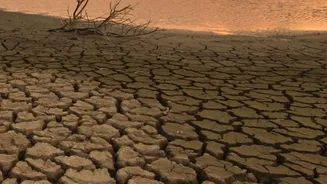
The impacts of a strong El Niño are interconnected and far-reaching. A weakened monsoon, a common consequence, directly threatens India's agriculture, with a significant portion of farmers dependent on seasonal rains for their crops. This can lead to reduced yields, water scarcity in reservoirs, and a strain on groundwater. The economic ripple effects include potential food price inflation and reduced rural incomes. Furthermore, the India Meteorological Department has warned that the 2026 southwest monsoon is likely to be below normal, which could intensify drought conditions in already vulnerable regions.