

The End of Festive Overload?
For generations, festive decorating in India has been a glorious explosion of colour, light, and tradition. We've embraced the 'more is more' philosophy, filling every corner with dazzling lights, countless diyas, and an abundance of ornaments. While
beautiful, this approach often brings an undercurrent of stress—the pressure to buy more, do more, and create a picture-perfect display, only to face a massive cleanup and storage challenge afterwards. Now, a growing movement towards 'selective décor' is offering a calmer, more personal alternative. It’s not about scarcity or minimalism in the strictest sense, but about making intentional choices that bring joy without the overwhelm. This trend reflects a broader shift in urban lifestyles towards mindfulness, sustainability, and authenticity.
What Exactly Is Selective Décor?
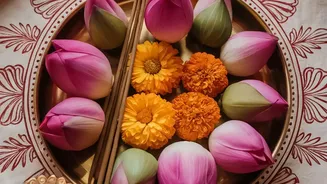
Selective décor is about choosing fewer, better things. Instead of covering every surface, the focus is on creating specific, impactful focal points. Think of a beautifully arranged urli with floating candles and flowers on a coffee table, rather than small, scattered decorations everywhere. It’s about quality over quantity. This means investing in well-crafted items that can be reused and restyled for different festivals throughout the year. A handcrafted brass lamp, elegant silk cushion covers, or a timeless wooden tray can be styled for Diwali, Navratri, or Eid with minor adjustments. The key is versatility and personal meaning. This approach encourages homeowners to choose pieces that tell a story or support local artisans, making the décor a true reflection of their values.
Key Elements of a Relaxed Look
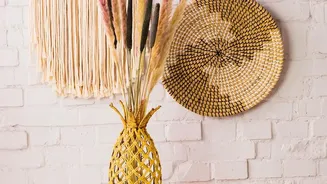
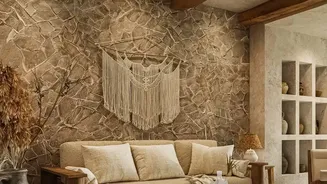
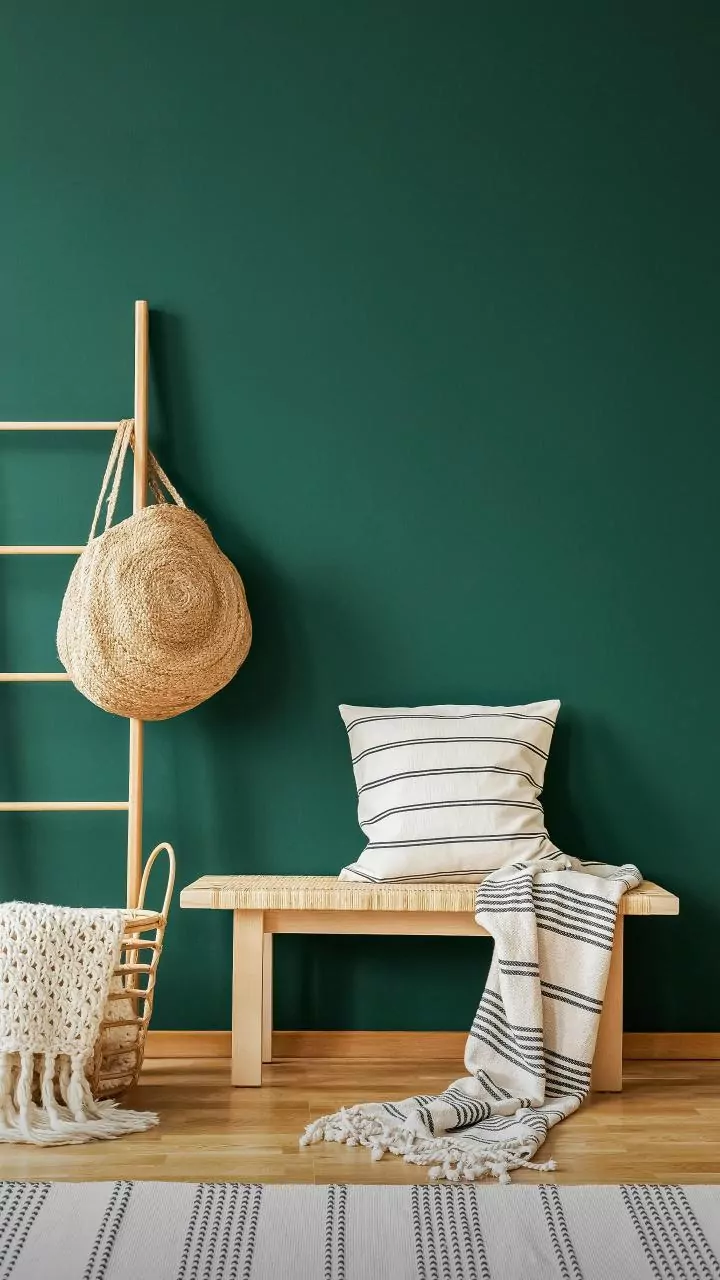
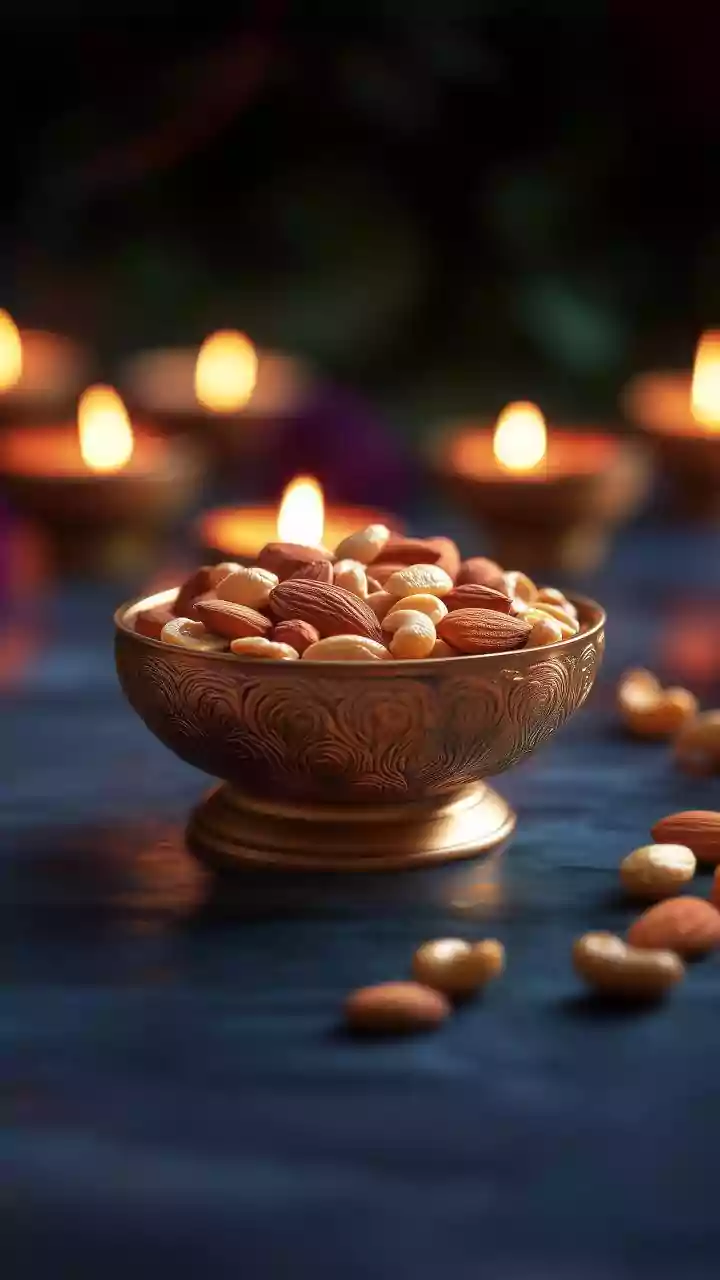
Adopting this style is easier than it sounds. It starts with a few core principles. First, consider a focused colour palette. Instead of a riot of clashing colours, stick to a base of warm, earthy tones like terracotta and beige, and add pops of jewel tones like emerald or sapphire for a regal touch. Metallic accents in gold, brass, or copper add instant warmth and festive glamour. Second, embrace natural materials. Fresh flowers like marigolds and roses, green plants, and even fruits can create a vibrant, eco-friendly display. Materials like jute, bamboo, and clay add texture and an earthy feel. Finally, lighting is crucial. Layer your lighting with a mix of statement lamps, fairy lights, and traditional diyas to create a warm, inviting glow. The goal is to build an atmosphere that feels both special and serene.
The 'Why' Behind the Shift
This trend isn’t just about aesthetics; it's rooted in a deeper psychological and lifestyle shift. As our lives get busier, there's a growing desire to simplify and reduce stress, especially during festivals which are meant to be a time of joy and connection. A cluttered home can often lead to a cluttered mind. Furthermore, there's a rising consciousness around sustainability. Many are rejecting single-use plastic decorations in favour of eco-friendly and reusable options. Supporting local artisans and preserving traditional crafts has also become a priority for many homeowners, who see their décor as a way to invest in their community and culture. This mindful approach transforms decorating from a seasonal chore into a meaningful expression of personal style and values.
Making It Your Own
Ready to try a more relaxed festive look? Start by decluttering. A clean, organized space is the best canvas for intentional decorating. Before buying anything new, shop your own home. You might find that old sarees can be repurposed as beautiful drapes or table runners, and glass jars can be turned into charming lanterns. Choose one or two focal points for your décor, such as the entryway, the puja corner, or the dining table. Invest in a few high-quality, versatile pieces that you truly love. A set of hand-painted ceramic plates, a beautifully carved wooden panel, or a statement vase can become the heroes of your festive scheme, year after year. The idea is to build a collection of décor that evolves with you, making your home feel festive, authentic, and, most importantly, relaxed.