

Early Month Planet and Star Pairings
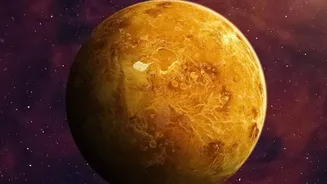
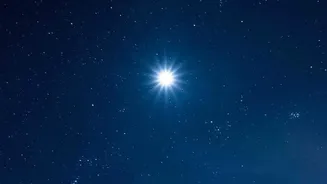
The month kicks off with some beautiful celestial meetups. Just after sunset in the first few days, you can spot the dazzlingly bright planet Venus shining in the west. On September 2, it will appear very close to the blue-white star Spica, the brightest
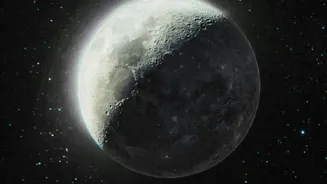
star in the constellation Virgo, making for a lovely photo opportunity. Then, in the pre-dawn hours of September 6, early risers will be treated to the sight of a waning crescent Moon passing near the red planet, Mars. Two days later, on the morning of September 8, the Moon continues its journey, cozying up to the giant planet Jupiter.
September Epsilon Perseid Meteor Shower: September 9
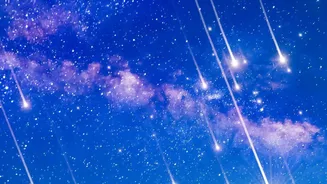
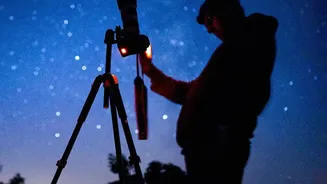
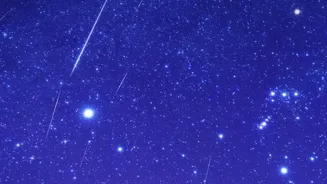
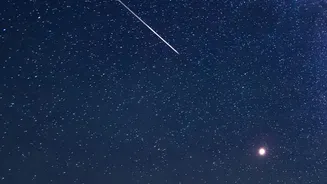
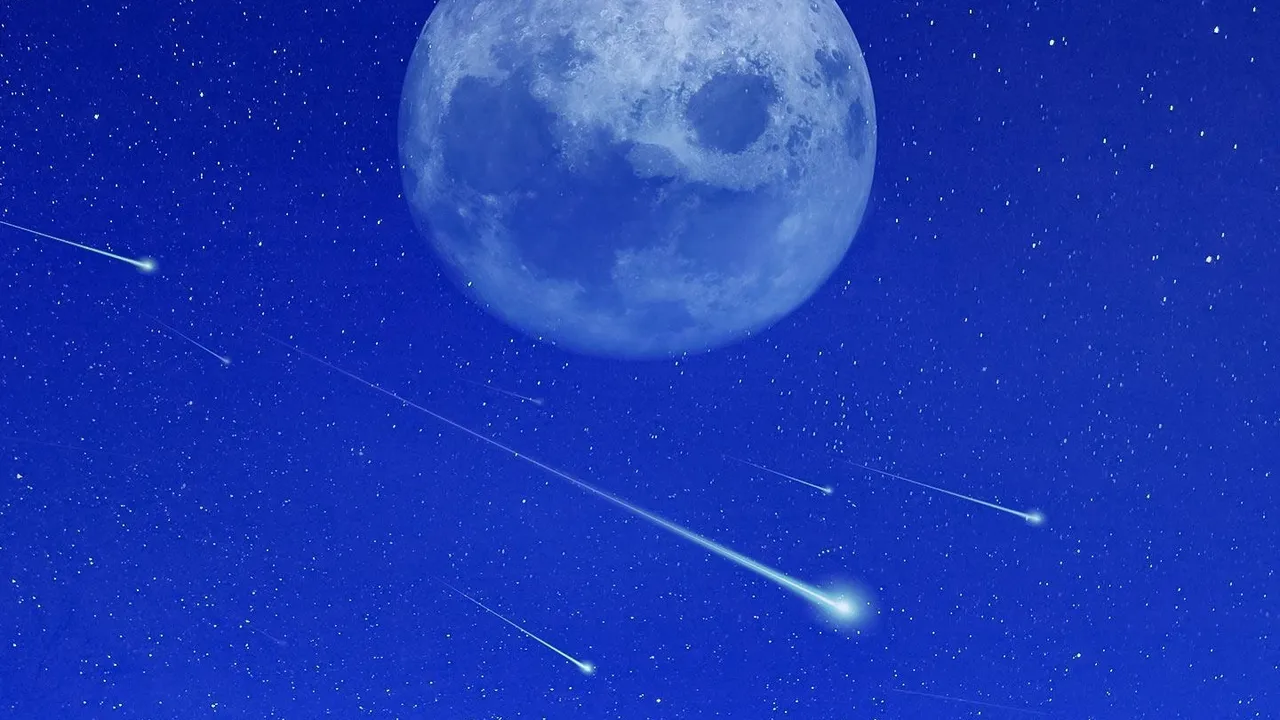
While not as famous as the Perseids of August, the September Epsilon Perseid meteor shower offers a great chance to see some shooting stars. This minor shower is expected to peak on the night of September 9. The best part is that viewing conditions are excellent this year. The peak arrives just before the New Moon, meaning the sky will be dark and free from lunar glare, making it easier to spot the fainter meteors. For the best show, find a location away from city lights, let your eyes adjust to the darkness for about 30 minutes, and look towards the constellation Perseus. You might catch up to five to eight meteors per hour.
Venus at Its Brightest: September 18
Venus, already a commanding presence in the evening sky, will reach its peak brilliance for the year on September 18. It will be exceptionally bright and easy to spot in the west just after sunset, even from urban areas. For those with binoculars or a telescope, the days around this peak offer a great chance to observe the planet's phase. Just like the Moon, Venus goes through phases, and seeing its illuminated crescent is a rewarding sight. A few days prior, on September 14, a slim waxing crescent Moon will pass very close to Venus, creating a stunning pair in the twilight sky.
The Autumnal Equinox: September 22
The official start of autumn in the Northern Hemisphere arrives with the autumnal equinox on September 22. On this day, the Sun shines directly over the Earth's equator, and the lengths of day and night are nearly equal across the globe. For stargazers, this is welcome news. After the equinox, the nights grow progressively longer than the days, providing more dark hours for observing the cosmos. According to NASA, the periods around the equinoxes are also prime time for spotting the aurora borealis, or Northern Lights, at high latitudes.
Neptune at Opposition: September 25-26
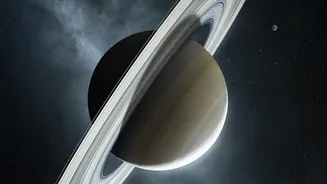
The most distant planet in our solar system, Neptune, will be at its best for the year. It reaches opposition on the night of September 25-26, when Earth passes directly between it and the Sun. This means Neptune will be at its closest and brightest, rising in the east around sunset and remaining visible all night. You won't be able to see it with the naked eye; its great distance makes it appear faint. However, with a good pair of binoculars or a small telescope, you can spot it as a tiny, bluish dot in the constellation Pisces. On the same night, you will find the planet Saturn shining brightly nearby.
The Full Harvest Moon: September 26
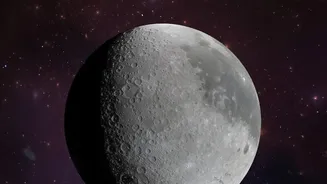
September's full moon, which peaks on September 26, is the famous Harvest Moon. This is the name given to the full moon that occurs closest to the autumnal equinox. What makes the Harvest Moon special is that for several evenings in a row, it rises very close to the time of sunset. This phenomenon historically provided farmers with extra hours of bright moonlight to bring in their crops before the first frost. Look for it to appear large and golden as it climbs above the horizon. On the night it turns full, Saturn will appear near it in the sky, creating a beautiful pairing.