





Beyond Agriculture: A New Economic Lifeline
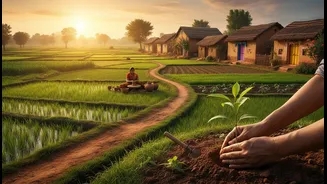
For generations, the rhythm of life in much of rural India has been tied to agriculture. However, with challenges like low income and seasonal work, many face uncertain futures. Rural tourism presents a powerful alternative, offering a way to diversify
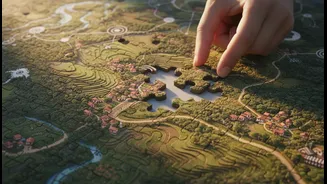
livelihoods without leaving home. When tourism is developed, it creates direct jobs for guides, homestay owners, and craftspeople. This provides a crucial secondary income source, reducing reliance on agriculture and helping to curb migration to overcrowded cities. Government initiatives, such as financial assistance for homestay construction and skill development programs, are being implemented to support this transition and unlock economic potential in villages. By turning local life and landscapes into assets, communities can build more resilient local economies.
The Ripple Effect of a Tourist's Rupee
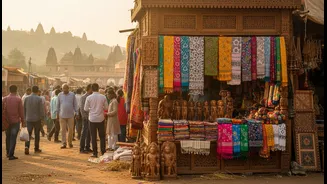
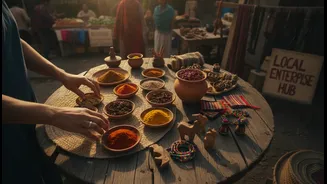
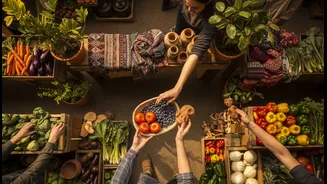
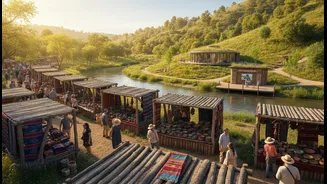
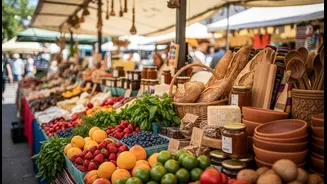
The economic impact of tourism extends far beyond the initial transaction. Known as the multiplier effect, every rupee spent by a tourist can generate further economic activity. A guest staying at a village homestay also buys local produce, uses local transport, and purchases handicrafts. This stimulates a wide range of supporting sectors. This ripple effect supports everyone from the farmer supplying vegetables to the homestay, to the weaver whose textiles are sold at a local stall. This broad-based growth helps foster entrepreneurship and can lead to significant infrastructure upgrades, including better roads and digital connectivity, which benefit the entire community long-term. In essence, a single tourist visit can trigger a chain reaction of economic benefits that uplift the whole area.
Cultural Preservation or Commercialization?
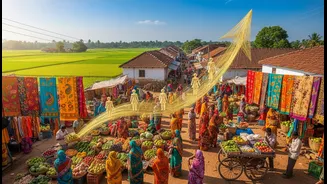
One of the most significant changes driven by rural tourism is its impact on culture. By creating a market for authentic experiences, tourism can provide the economic incentive needed to preserve and revive traditional arts, crafts, and performing arts. Festivals, folk music, and local rituals gain new life when they become part of the visitor experience, fostering a sense of pride within the community. However, this relationship is a delicate balance. There is a tangible risk that culture can become a commodity, staged for tourists and stripped of its authentic meaning. The key is to ensure that development is community-led, allowing local people to control their own narrative and share their heritage on their own terms. When done responsibly, tourism can be a powerful force for cultural conservation.
Empowering Women and Building Communities
A transformative aspect of rural tourism is its potential to empower women. Often centered around the home, activities like managing homestays, cooking traditional meals, and selling handmade crafts provide women with direct access to income and a stronger voice in community affairs. This newfound economic independence often leads to broader social gains for their families and the village. Beyond individual empowerment, successful tourism projects build social connections and strengthen community bonds. As seen in states like Sikkim and Uttar Pradesh, where the government is actively promoting farm stays and adventure tourism, these initiatives require collective effort and planning, reinforcing a shared sense of purpose and identity.
The Road to Sustainability
For tourism to be a lasting jobs engine, it must be sustainable. This means navigating significant challenges, including poor infrastructure, a lack of skilled workers, and limited marketing access in many areas. Unchecked tourism can strain local resources like water and create waste, undermining the very beauty that attracts visitors. The path forward lies in strategic planning and thoughtful policies. This includes implementing skill development programs, fostering public-private partnerships, and leveraging digital marketing to connect with potential visitors. National strategies like Swadesh Darshan 2.0 and programs like Travel for LiFE aim to create a framework for this, promoting responsible practices that benefit both the economy and the environment. The goal is to ensure that tourism development doesn't just create jobs for today, but builds a sustainable and prosperous future for generations to come.