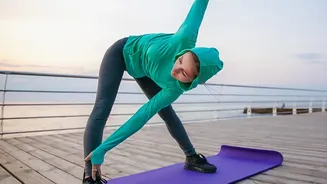



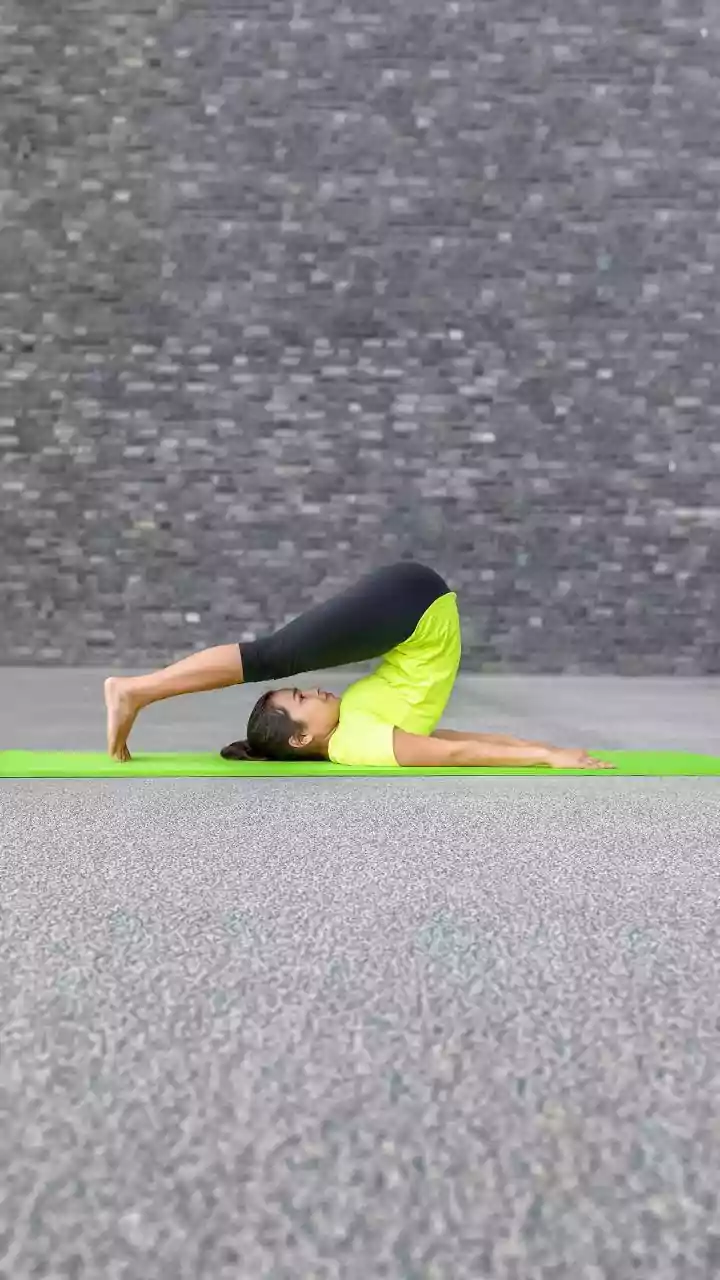



Chair yoga is a wonderfully accessible way to improve flexibility and mobility. But the secret to a safe and effective practice lies in one key element: a stable chair. Proper support allows you to move with confidence and get the most from every stretch.
Choose a Sturdy, Reliable Chair
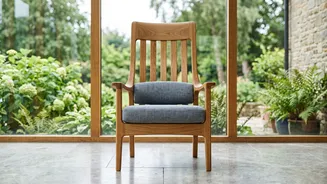
The most critical first step is selecting the right chair. Your foundation must be completely stable. Opt for a sturdy, four-legged chair, like a dining or kitchen chair, that doesn't wobble or tip when you apply pressure. Crucially, avoid any chair with wheels, as it can slide out from under you, especially during standing poses where you use it for balance. Chairs without armrests are also ideal, as they provide more room to move and twist without obstruction. The height is also important; when seated, your feet should be able to rest flat on the floor with your knees at roughly a 90-degree angle. This ensures a solid base, whether you're performing seated stretches or using the chair for standing support.
Set Up Your Practice Space for Safety
Once you have a suitable chair, create a safe environment for your practice. Place your chair on a non-slip surface to prevent it from moving. A yoga mat is perfect for this purpose. If you don't have a mat, position the chair against a wall to ensure it won’t slide backward. Before you begin, check that you have enough clear space around you to extend your arms and legs fully without bumping into furniture or walls. A little preparation goes a long way in creating a secure space where you can focus on your movements and breath without worrying about the stability of your setup.
Using the Chair for Seated Poses
For seated poses, how you sit is as important as the chair itself. Sit toward the front half of the chair, away from the backrest. This encourages an upright posture and prevents slouching. Plant your feet firmly on the floor, about hip-width apart. With a tall, long spine, you can perform seated movements like cat-cow stretches, forward folds, and spinal twists with a stable base. The chair supports your weight, allowing you to focus on deepening the stretch in your spine, shoulders, and hips without straining. This stable foundation helps maintain proper alignment and prevents common posture mistakes like hunching.
Standing Support for Balance and Depth
A chair is an excellent partner for standing poses, offering support that builds confidence and stability. You can rest your hands on the back of the chair for balance during poses like standing side bends or a modified Downward Dog. This support allows you to hinge at the hips and lengthen your spine without the fear of falling. For other poses, like a supported Tree Pose, you can stand beside the chair and place one hand on the backrest for balance. The chair can also be used to modify lunges or warrior poses, giving you a steady anchor as you build strength and flexibility. This assistance helps you ease into poses and hold them longer, enhancing their benefits.
Controlling Intensity and Preventing Injury
One of the greatest benefits of using a chair is the ability to control the intensity of each stretch. The chair provides a reference point that helps you avoid pushing your body too far, too soon. By holding onto the chair, you can gently guide yourself deeper into a stretch while maintaining full control. This is particularly useful for hamstring stretches or hip openers. Always listen to your body and aim for a comfortable stretch, never pain. If you feel any sharp sensations, ease back. The goal is to enhance flexibility safely, and a stable chair is your best tool for ensuring you can do so without risking injury.