

Understanding Our Attachment
Before you can decide what to do with sentimental items, it helps to understand why we keep them. Psychologically, objects become powerful anchors for our memories, identity, and connections to people we love. Holding onto a grandparent’s watch or a baby’s
first shoes isn’t about the object itself, but the fear of losing the memory associated with it. This attachment is natural, but it can become a burden when our shelves, closets, and minds are overflowing. Tidying expert Marie Kondo notes that organizing these mementos helps put the past in order so you can better enjoy the present. The goal isn't to erase your past, but to ensure your home reflects your current life, not just a museum of what once was.
Curate a Living Display
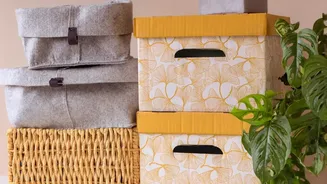
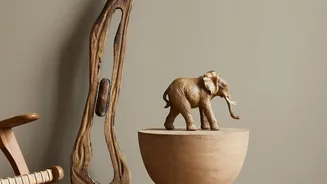
Instead of letting every keepsake compete for attention, think like a museum curator. A cluttered mantelpiece where dozens of objects are crammed together diminishes the value of each one. By selecting only a few truly meaningful items to display, you give them the space to shine and tell their story. This is the core of Marie Kondo's 'spark joy' philosophy: keep the items that give you a thrill when you hold them. Consider a rotation system. Just as you might swap out decor for different seasons, you can rotate your sentimental items. A dedicated 'transition bin' can hold versatile items like neutral vases or trays that work year-round, while seasonal memory objects can be stored and brought out at specific times. This keeps your space feeling fresh and allows you to appreciate different memories throughout the year.
Think Beyond the Shelf
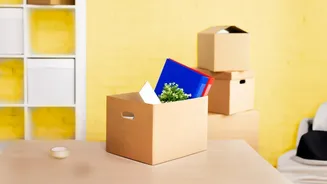
Not all memories need to be displayed to be honored. There are many creative ways to preserve their essence without cluttering your home. For items like children’s artwork, old letters, or photographs, creating a digital archive is an excellent space-saving solution. Scan or photograph the items and organize them into digital albums. For physical objects you want to keep but not display, create a designated memory box. Limiting yourself to one or two boxes forces you to be selective. You can also repurpose items. Old t-shirts can be turned into a quilt or pillows, while fabric scraps can become part of a craft project. Some people even use decorative furniture with hidden storage, like a trunk or an ottoman, to stylishly house their keepsakes.
The Art of Letting Go with Gratitude
The hardest part for many is the act of letting go. The fear is that discarding the object means discarding the memory. However, truly precious memories are not stored in objects; they are a part of you. When you decide an item has served its purpose, don't just toss it in the bin. Marie Kondo suggests a ritual of gratitude, where you thank the item for the joy it brought or the role it played in your life before letting it go. This simple act provides closure and honors your connection to the object without guilt. Remember that the purpose of a gift, for example, is to be received. Once it has conveyed the sender's feelings, its primary job is done. If keeping it feels like a burden, it’s okay to release it.