




The New Definition of Healthy
For generations, a 'healthy' meal in India often meant something wholesome, home-cooked, and traditional. But the definition is evolving. Today, 'fitness eating' is a more specific, data-driven approach. It's not just about avoiding junk food; it's about actively
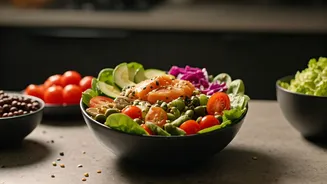
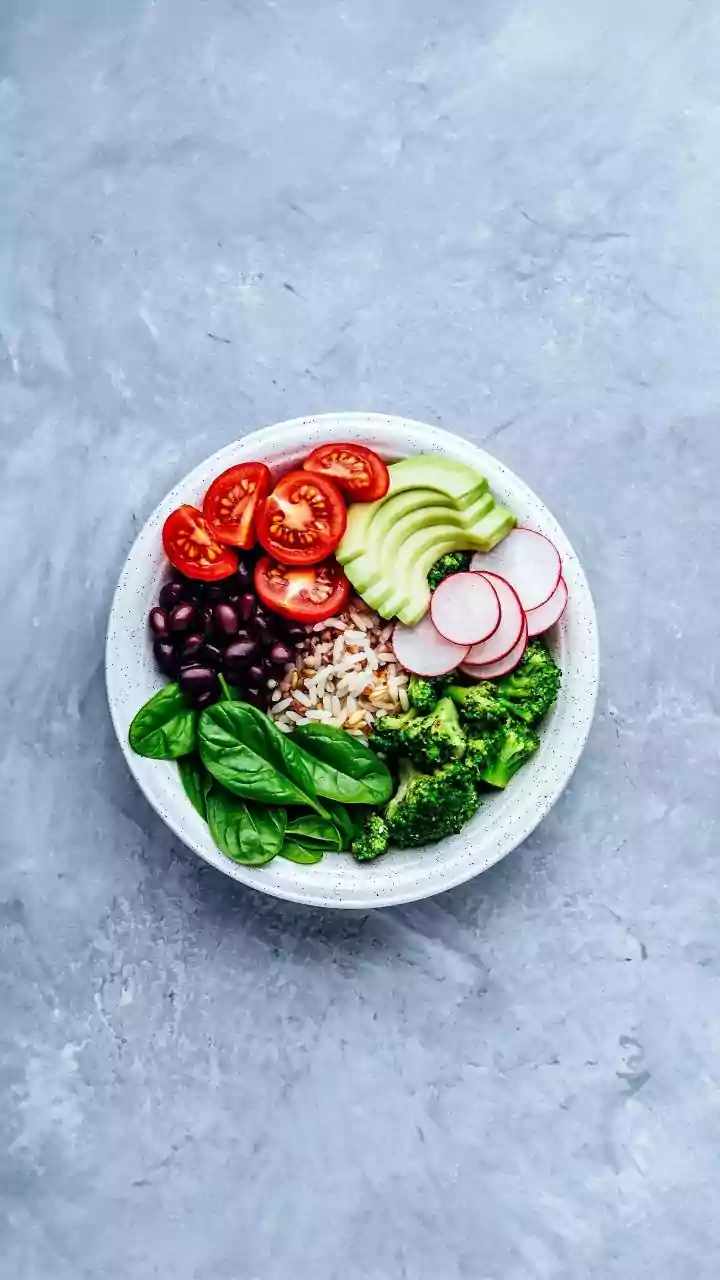
curating a diet for specific health outcomes. This includes tracking macronutrients like protein, carbs, and fats, focusing on high-fibre ingredients, and minimising sugar and processed foods. The conversation has moved from general well-being to quantifiable goals like muscle gain, fat loss, and managing conditions like PCOS and diabetes through diet. This new consciousness is driven by a desire to feel good, look good, and perform better, both professionally and personally.
What's Driving the Change?
Several factors are stirring this pot. Firstly, there's increased awareness. The internet and social media have given millions of Indians direct access to global wellness trends and nutritional information. Fitness influencers, nutritionists, and health bloggers have become powerful voices, demystifying complex dietary science for the masses. Secondly, rising disposable incomes in urban centres mean more people can afford premium and specialised food products. Thirdly, a growing concern over lifestyle diseases like diabetes, hypertension, and obesity, which are alarmingly on the rise in India, is pushing individuals and families to reconsider their eating habits. The COVID-19 pandemic acted as a massive catalyst, sharpening the focus on immunity and overall health, and accelerating the shift towards mindful consumption.
Back to the Roots, with a Twist
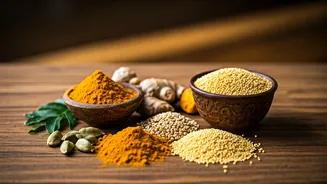
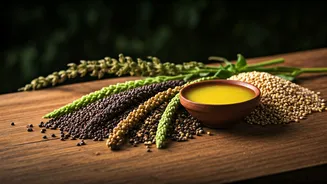
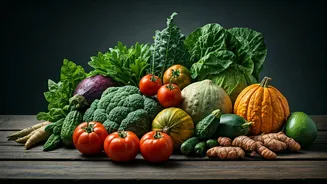
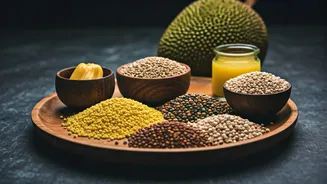
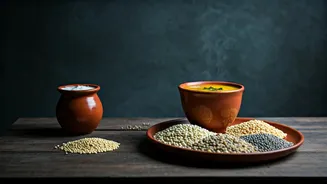
Interestingly, this fitness wave isn't just about importing Western fads like kale and avocado, though they certainly have their place. A significant part of the trend involves rediscovering and rebranding traditional Indian ingredients. Millets like ragi, jowar, and bajra, once considered 'poor man's grains', are now celebrated as gluten-free, high-fibre superfoods. Ancient practices like using cold-pressed oils and stone-ground flours are making a comeback. The humble sattu is being marketed as a native protein powder, and turmeric lattes are a global phenomenon. This fusion of modern nutritional science with ancient Indian wisdom makes the trend feel both authentic and sustainable. People are not just eating healthy; they are eating smart by leveraging the inherent strengths of their own food heritage.
The Booming Business of Wellness
Where consumers go, businesses follow. India's food and beverage industry has responded with incredible speed. Supermarket aisles are now lined with organic produce, gluten-free breads, and plant-based milks. A new wave of direct-to-consumer (D2C) brands offers everything from protein bars and healthy snacks to specialised meal-kit subscriptions tailored to specific dietary needs (keto, vegan, high-protein). Health-tech platforms and apps provide personalised diet plans, calorie tracking, and consultations with nutritionists at the tap of a button. This thriving ecosystem makes it easier than ever for the average person to adopt and maintain a healthier lifestyle, turning a personal choice into a major economic engine.