





The Modern Food Dilemma
Navigating the grocery store can feel like a high-stakes test. One side screams 'ultra-processed foods are toxic,' while another promotes quick, convenient meals. This constant noise has led to a culture of food anxiety, where every packet is viewed with
suspicion and every ingredient list is a potential source of guilt. This 'all-or-nothing' mindset, often fuelled by social media, can be exhausting. Research shows that overly restrictive eating patterns can negatively impact mental health, leading to stress, anxiety, and disordered eating behaviours. The pressure to be perfect can make us forget the real purpose of food: to nourish our bodies and be enjoyed. The truth is, not all processed foods are created equal, and a healthy diet has room for both convenience and whole, natural ingredients.
What 'Real Food' Actually Means
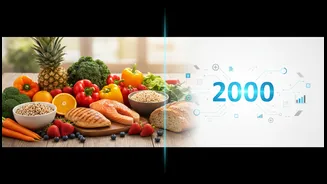
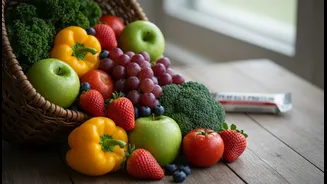
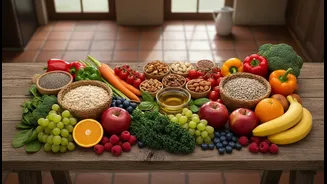
The term 'real food' generally refers to whole or minimally processed foods that are close to their natural state. Think fresh fruits and vegetables, whole grains like oats and brown rice, lean proteins like chicken and fish, and legumes like beans and lentils. These foods are nutrient-dense, meaning they are packed with vitamins, minerals, and fibre that our bodies need to thrive. Fibre, in particular, is a powerhouse nutrient that supports gut health, helps stabilise blood sugar, and keeps you feeling full longer. In contrast, ultra-processed foods (UPFs) have undergone significant changes and often contain added sugars, unhealthy fats, salt, and preservatives to enhance flavour and shelf life. While studies have linked high consumption of UPFs to health issues, this doesn't mean every packaged food is off-limits.
Focus on Addition, Not Subtraction
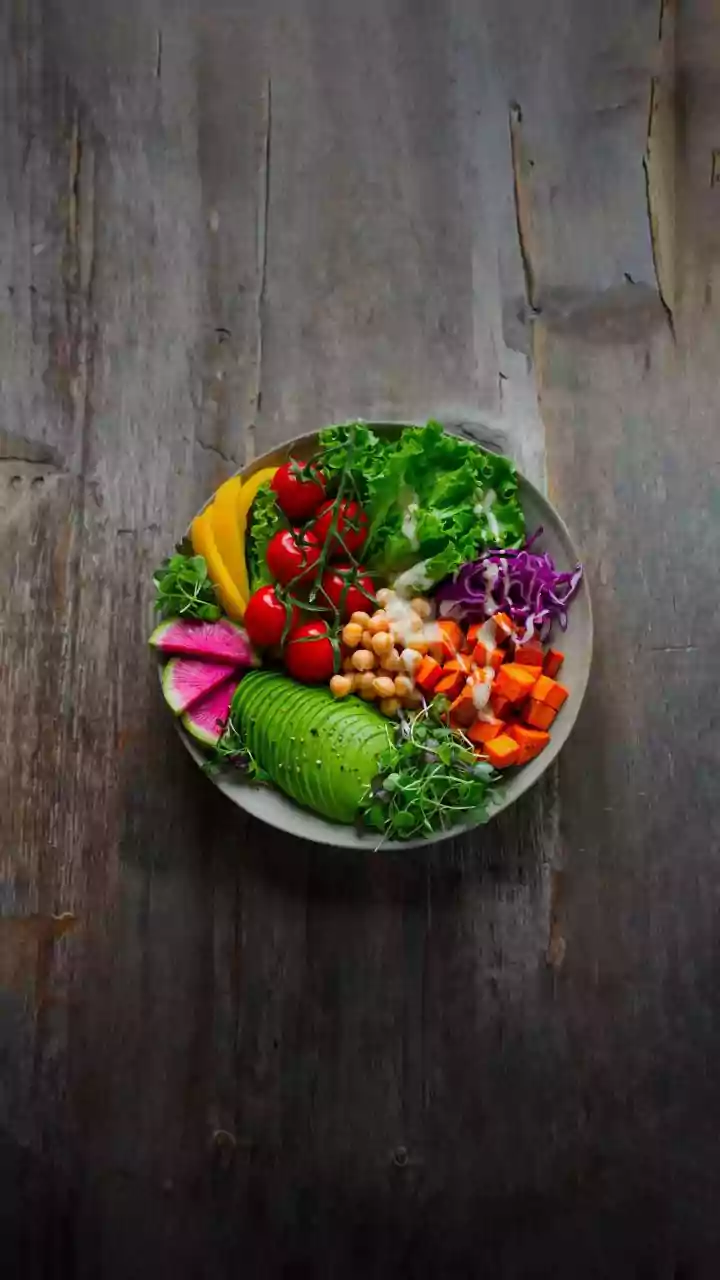
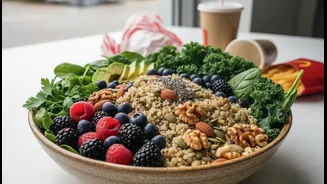
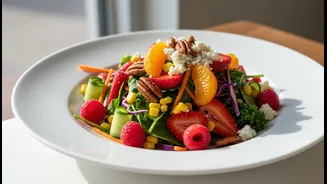
Instead of obsessing over what to eliminate, a more positive and sustainable strategy is to focus on what you can add to your diet. This approach is less about restriction and more about abundance. By actively trying to incorporate more vegetables, fruits, and whole grains into your meals, you naturally 'crowd out' the less nutritious options. The goal isn't to achieve a perfect diet overnight, but to make small, consistent improvements. Start by adding a colourful vegetable to every meal or swapping a sugary snack for a piece of fruit and a handful of nuts. This shift in mindset from 'I can't have that' to 'how can I add more nourishment?' reduces guilt and makes healthy eating feel like an act of self-care rather than punishment.
Embrace the 80/20 Rule
A popular and flexible approach to balanced eating is the 80/20 rule. This principle suggests focusing on eating nutrient-dense, whole foods about 80% of the time, while allowing for more indulgent or convenient foods the other 20% of the time. This isn't a strict diet with calorie counting, but a mindset that promotes consistency over perfection. It acknowledges that life includes celebrations, busy weeknights, and simple cravings. Allowing for this flexibility can prevent feelings of deprivation that often lead people to abandon their healthy habits altogether. The 80/20 rule helps build a sustainable lifestyle where you can enjoy a piece of cake at a party without feeling like you've failed.
Not All Packets Are Villains
The suspicion of every packet is not only stressful but also misguided. Many processed foods are incredibly convenient and can be part of a healthy diet. Minimally processed items like canned beans, frozen fruits and vegetables, plain yoghurt, and whole-grain bread are nutritious and save valuable time. The key is learning to read labels without feeling overwhelmed. A good rule of thumb is to look for shorter ingredient lists with names you recognise. Pay attention to serving sizes and be mindful of high levels of added sugars, sodium, and saturated fat. Using the 5/20 rule can help: 5% Daily Value or less is low, while 20% or more is high for a given nutrient. This allows you to make informed choices without demonising every packaged product.