



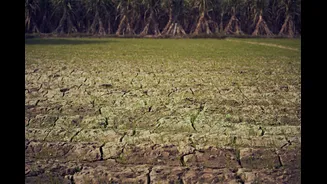

The Land of the Dang
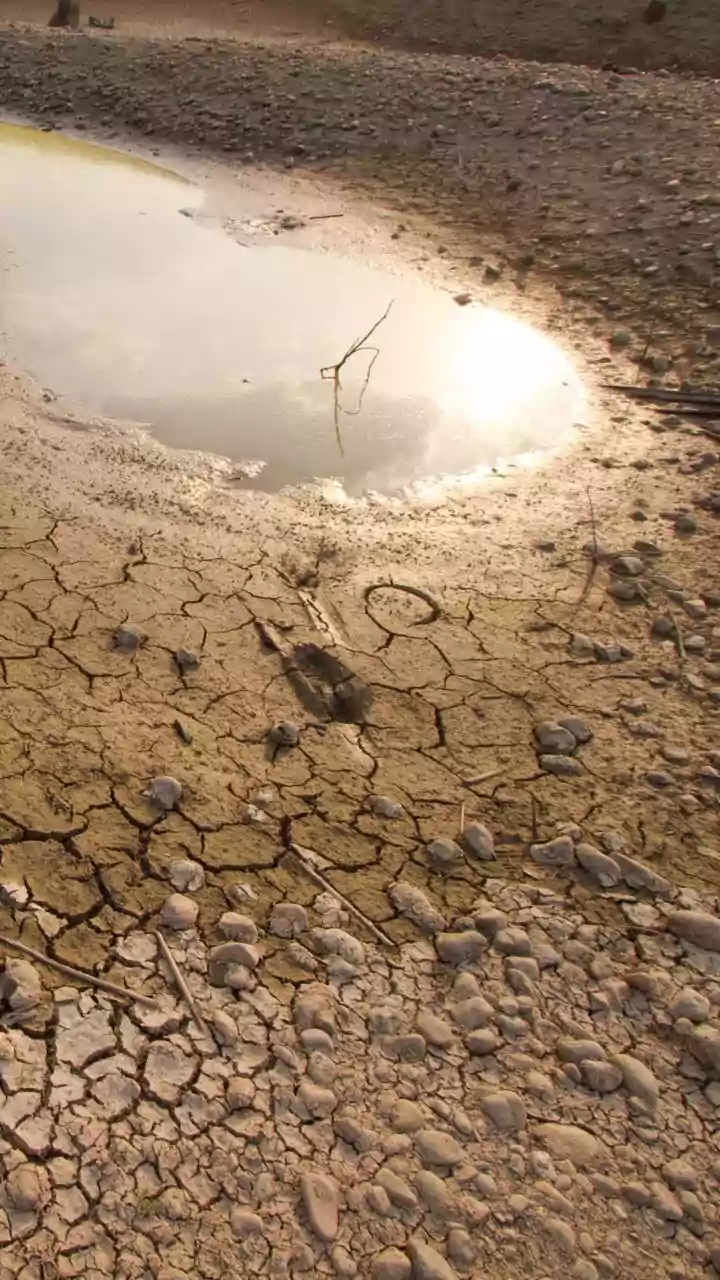
The Dang region, which includes the Karauli district, is a unique landscape stretching along the borders of Rajasthan and Madhya Pradesh. Characterised by arid terrain, degraded ravines, and the Chambal river, it is a challenging environment for survival.
The forests here are classified as tropical dry deciduous, dominated by hardy species that can withstand the dry climate. This region is rich not only in biodiversity but also in tribal and traditional communities, including the Meena and Gurjar, who have developed an intricate relationship with their surroundings over centuries. Their lives are interwoven with the natural resources of the forest, which they have learned to manage and sustain.
More Than Just a Berry
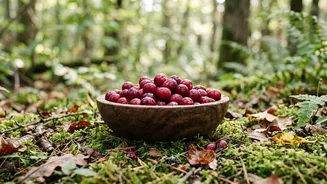
The wild berry, known locally as 'jharberi' or 'bor', is scientifically identified as Ziziphus nummularia. This thorny, resilient shrub is perfectly adapted to the desert climate, growing wild across the plains and hillsides. While small, the reddish-brown fruit is a powerhouse of nutrition and an important part of the local diet, especially during the lean winter months. Traditionally, the entire plant is considered valuable; the leaves serve as nutritious fodder for livestock, the thorny branches are used as natural fencing for farms, and the wood provides fuel. This multi-purpose utility makes the jharberi a cornerstone of the rural economy and a symbol of subsistence in a harsh land.
An Unwritten Code of Conduct
The gathering of wild beri is not a random act but a carefully orchestrated tradition governed by unwritten rules. Local knowledge dictates the precise time for harvesting, ensuring the berries are perfectly ripe and that the plants are not damaged. Families often have customary rights to harvest in specific areas, a system that prevents over-exploitation and ensures equitable access. The methods used are sustainable by design. Harvesters use long sticks to gently shake the branches, causing only the ripe berries to fall onto cloths spread below. This technique avoids harming the shrub or its unripe fruit, allowing for future harvests. This deep ecological understanding ensures that the resource continues to thrive year after year.
Knowledge Passed Through Generations
This specialised knowledge is a living heritage, passed down from elders to children. Youngsters learn by observing and participating in the annual harvest. They are taught to identify the best plants, to understand the subtle signs of ripeness, and to respect the unwritten laws of the community. This oral tradition includes stories and songs that reinforce the cultural significance of the beri and its place in their lives. This intergenerational transfer of knowledge is crucial for the survival of both the tradition and the ecological balance of the forest. It is a form of education that takes place not in a classroom, but under the open sky of the Dang.
Modern Pressures on Ancient Practices
Today, these ancient traditions face new challenges. Increasing urbanisation, changing agricultural practices, and market pressures are altering the landscape and the local economy. As younger generations seek opportunities away from their ancestral lands, there is a real risk that this invaluable local knowledge could fade away. Furthermore, environmental degradation and climate change pose a threat to the wild habitats where the jharberi grows. The delicate balance maintained for centuries by local communities is now under pressure from external forces, highlighting the urgent need to recognise and support these sustainable practices.