





The End of the Mess Hall Blues
For generations, moving into a hostel or a paying guest (PG) accommodation meant embracing a culinary lottery, and rarely a winning one. The daily menu often revolved around watery dal, generic mixed vegetables, and rotis with the texture of cardboard.
It was a rite of passage. The alternative wasn't much better: surviving on instant noodles, spending a fortune on restaurant deliveries, or attempting to cook in a cramped, shared kitchen after a long day of classes or work. This struggle has long been the backdrop for student life and the early careers of young professionals, forcing a compromise between health, budget, and time.
Enter the Meal Prep Revolution
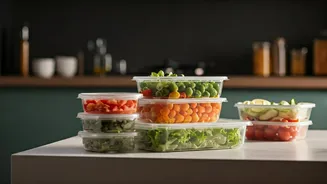
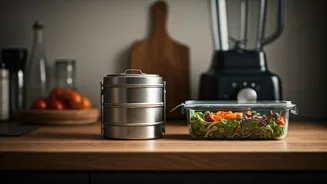
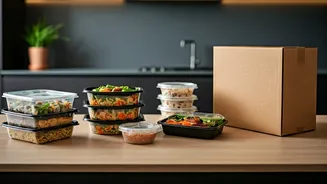
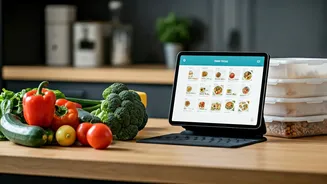
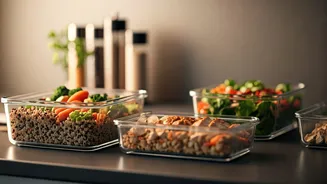
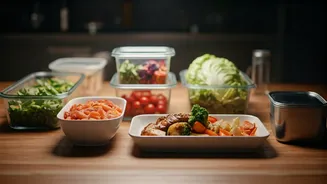
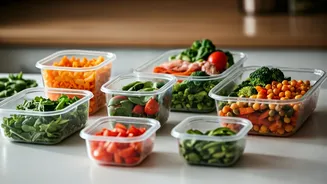
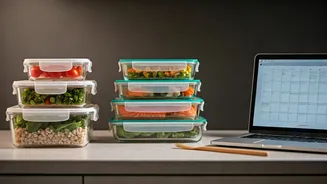
That familiar struggle is now being targeted by a growing number of food-tech startups. The “meal prep upgrade” isn’t a single product but an ecosystem of solutions designed for the modern, busy, and health-conscious young Indian. These services range from subscription-based tiffin 2.0 platforms that deliver fresh, home-style meals, to ready-to-cook (RTC) kits that provide pre-portioned ingredients and a simple recipe. Instead of a one-size-fits-all mess menu, students and bachelors can now use apps to choose their meals, customise spice levels, and schedule deliveries at their convenience. It’s the home-cooked experience, but outsourced and optimised for a digital-native generation.
How Does It Actually Work?
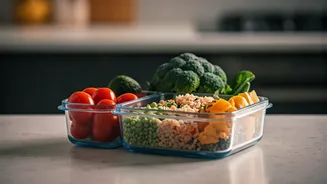
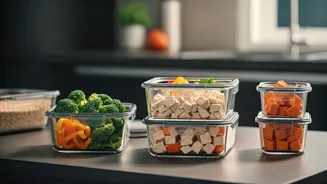
The process is designed for simplicity. Typically, a user downloads an app or visits a website, browses through weekly or monthly menus, and selects a subscription plan. These plans often offer flexibility in terms of meal choices (lunch, dinner, or both) and days of the week. Many services now cater to specific dietary needs, offering high-protein, low-carb, vegan, or Jain options—a level of customisation unthinkable in a traditional mess. The food is prepared in centralised, often FSSAI-licensed kitchens, promising better hygiene and quality control. It's then packed and delivered by a dedicated fleet, arriving just in time for a hassle-free meal. For RTC kits, the model is similar: you order a specific dish, and a box with everything you need—chopped vegetables, masalas, protein—arrives at your door, turning a 45-minute cooking ordeal into a 15-minute affair.
More Than Just Convenience
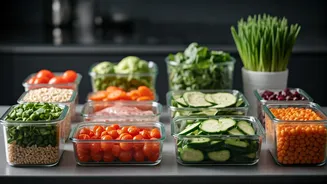
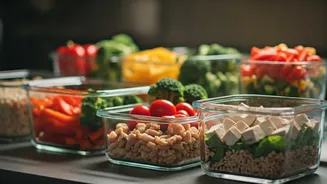
While convenience is the main draw, the benefits run deeper. First, there's health. With curated menus designed by nutritionists, users can finally escape the carb-heavy, often oily food served in messes. It gives them control over their diet without the effort of calorie counting or grocery shopping. Second is the reduction of food waste. By ordering precise portions, individuals avoid buying vegetables that wilt in the fridge or cooking more than they can eat. Finally, there is the gift of time. The hours spent planning, shopping, chopping, and cleaning up are reclaimed, allowing students to focus on studies and young professionals to decompress after work or pursue a hobby. It’s an investment in a better quality of life.
Is It a Sustainable Upgrade?
Of course, the big question is cost. At first glance, a monthly subscription of ₹4,000 to ₹8,000 might seem higher than the standard mess fee. However, a fair comparison must account for the hidden costs of the old way. When you factor in the money spent on frequent outside food orders to escape the mess, the cost of groceries for supplemental cooking, and the intangible value of time saved and health gained, the math often starts to make sense. For many, paying a slight premium for consistent, hygienic, and tasty food is a worthwhile trade-off. These services are no longer a luxury but a practical utility for those who value their well-being and time above all else.