



Solving the Blank Canvas Problem
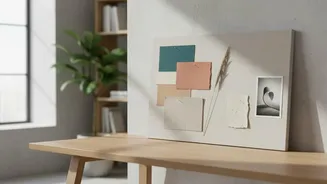
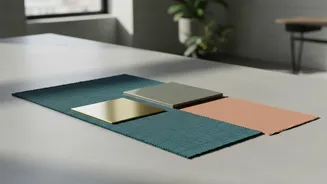
For any graphic designer, the initial phase of a project is a delicate mix of excitement and pressure. Creating a mood board and a corresponding color scheme is a foundational step, setting the visual tone for everything that follows. Traditionally, this
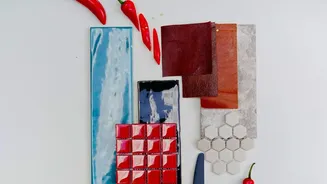
involves hours, sometimes days, of manually sourcing images, textures, and typographic examples. Designers pull together these disparate elements to capture a feeling or style, a process that is both inspiring and notoriously time-consuming. In a fast-paced professional environment where deadlines are tight, this creative exploration phase is often compressed, putting a strain on innovation. The challenge is to build a cohesive visual story quickly without falling back on tired clichés.
Enter the AI-Powered Co-Pilot
This is where artificial intelligence enters the scene, not as a replacement for creativity, but as an amplifier. AI plugins integrated into design software like Figma, or standalone tools, are built to automate the most repetitive parts of the ideation process. Instead of manually searching, a designer can now use a simple text prompt. By typing a description like “a calming, minimalist brand identity for a wellness app” or “an energetic, retro vibe for a music festival,” the AI can generate a complete mood board in seconds. These tools use machine learning to analyze keywords, interpret aesthetic concepts, and curate a collection of relevant images, textures, and styles, offering a powerful launchpad for the project.
Generating Mood Boards Instantly
Several tools are leading this charge. Platforms like Canva's Magic Design, Recraft, and Adobe Firefly can produce entire design concepts and mood boards from a single text input. For example, a user can ask for a mood board for a “playful brand identity with bold typography and vibrant colors,” and the AI will generate multiple options. This technology compresses a full day of ideation into a few moments, providing a first draft that the designer can then refine with their unique vision and strategic insight. The benefit isn't just speed; it's about exploring a wider range of creative directions than would be manually possible in the same amount of time, helping to break through creative blocks.
Finding the Perfect Palette
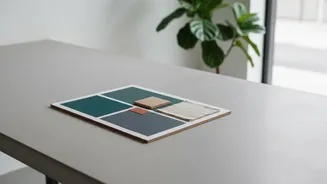
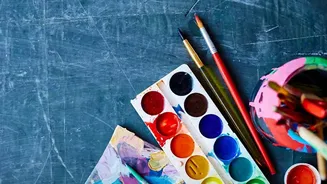
Beyond mood boards, AI has revolutionized color selection. Tools like Coolors, Khroma, and ColorMagic have become indispensable for designers. Instead of just random combinations, these AI-powered generators can create palettes based on keywords, uploaded images, or even a single starting color. Coolors, a popular choice, allows designers to hit the spacebar to generate field-tested schemes, lock in colors they like, and regenerate the rest. Many of these plugins also come with essential features like accessibility checkers, ensuring that the chosen colors meet WCAG contrast standards for readability, a crucial consideration in modern design. This elevates the process from simple color matching to intelligent, context-aware palette creation.
Integrating AI into the Workflow
The most effective way to use these tools is to see them as assistants. The initial output from an AI generator is rarely the final product. It is a starting point. A designer’s expertise is still paramount in curating the AI’s suggestions, adding nuance, and aligning the visual direction with the client’s strategic goals. The true value is in accelerating the early, often tedious, stages of a project. By automating routine tasks, AI frees up designers to focus on higher-level thinking: storytelling, brand strategy, and creating a unique emotional connection through the design. The combination of AI assistance for speed and human creativity for refinement is what enhances both the workflow and the final results.
Limitations and the Road Ahead
While powerful, these AI tools have limitations. They can sometimes produce generic or predictable results, pulling from the vast dataset of existing designs they were trained on. Without a skilled designer’s eye to guide and edit, an AI-generated mood board can lack a unique point of view. The human element of emotional intelligence and strategic insight remains irreplaceable. However, the technology is evolving rapidly. We are moving from simple generative tools to more integrated AI agents that understand the entire design workflow. The future points towards a deeper collaboration where AI handles even more of the grunt work, leaving designers with more time and energy to push the boundaries of creativity.