


Why Venus? Earth's Lost Sibling
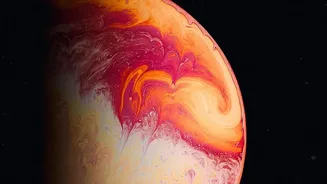
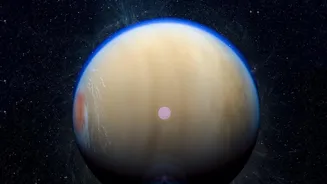
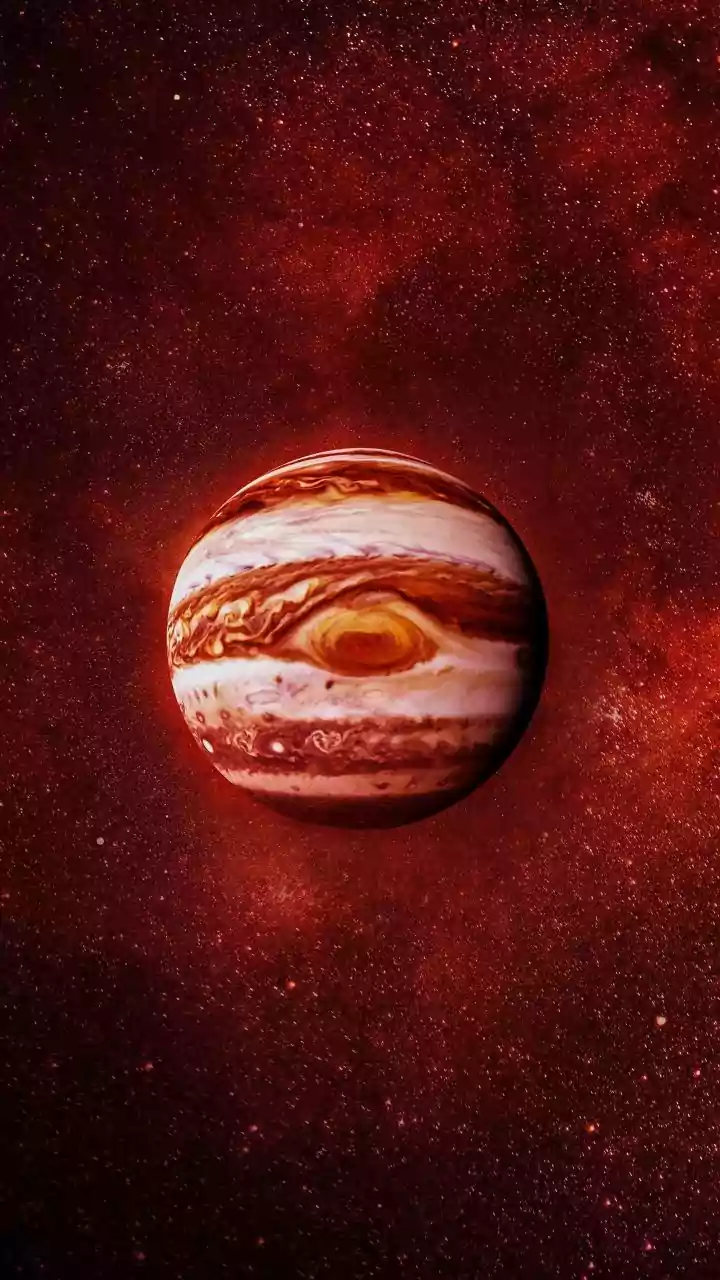
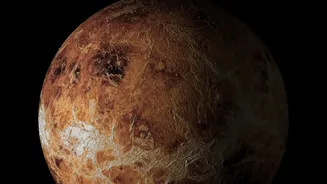
Venus is both strikingly similar to and terrifyingly different from our own planet. It is nearly the same size and mass as Earth, and scientists believe it may have once hosted vast oceans of liquid water for as long as two billion years. Today, however,
it is the hottest planet in the solar system, with surface temperatures high enough to melt lead. Its atmosphere is over 90 times denser than Earth's and is composed mostly of carbon dioxide, creating a runaway greenhouse effect. The planet is perpetually covered by thick clouds of corrosive sulfuric acid. Understanding why and how Venus transformed from a potentially habitable world into this inferno is one of the biggest mysteries in planetary science. Solving it could offer critical insights into climate change, planetary evolution, and the conditions necessary for life to thrive.
ISRO's Next Interplanetary Leap
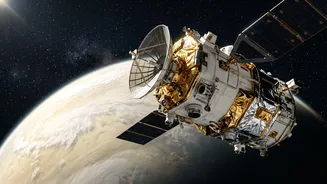
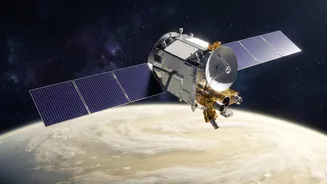
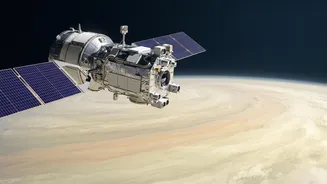
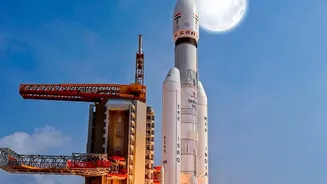
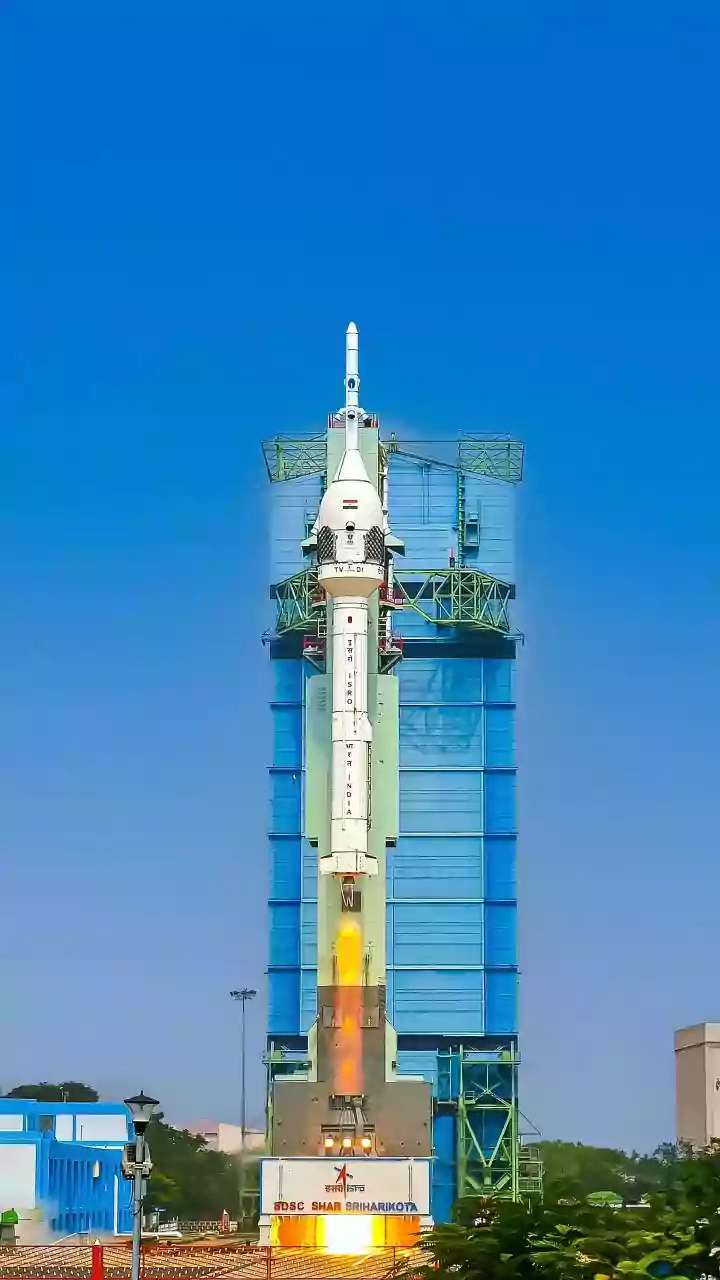
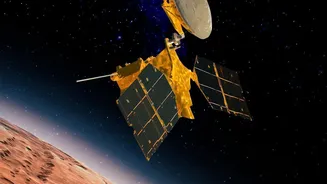
Enter the Venus Orbiter Mission, unofficially known as Shukrayaan. Following the monumental success of its Mars Orbiter Mission (Mangalyaan), ISRO has set its sights on our other planetary neighbour. Formally approved by the Indian government, Shukrayaan is slated for a 2028 launch. Unlike Mangalyaan, which was primarily a technology demonstration, Shukrayaan is a dedicated science mission designed to conduct a comprehensive study of Venus for several years. The spacecraft will be placed in an elliptical orbit around the planet, allowing its suite of advanced instruments to gather unprecedented data about its atmosphere, surface, and interaction with the sun.
A Toolkit for a Hostile World
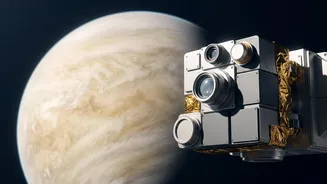
To see through Venus's impenetrable clouds, ISRO is equipping Shukrayaan with a powerful set of scientific sensors. The mission's flagship instrument is a high-resolution Synthetic Aperture Radar (SAR). This radar can pierce the thick cloud cover to map the planet's volcanic and mountainous surface in greater detail than ever before, searching for signs of recent geological activity. The mission also plans to carry a ground-penetrating radar, a first for any Venus mission, which will probe beneath the surface to reveal its subsurface stratigraphy. This is like giving the spacecraft geological X-ray vision, allowing scientists to study layers of rock and lava flows that have been hidden for eons.
Decoding the Sulfuric Acid Veil
The heart of the mission is to solve the secrets hidden within the atmosphere itself. Shukrayaan will carry an array of spectrometers and cameras that operate in infrared and ultraviolet wavelengths. These instruments will analyse the chemical composition of the thick clouds, monitor their super-rotating movement, and measure the distribution of key gases. One of the goals is to understand the mysterious chemistry that sustains the sulfuric acid clouds and to investigate why the planet lost its water. A lightning sensor will hunt for electrical discharges, while other analysers will study how the solar wind, a stream of charged particles from the Sun, strips away the upper layers of Venus's atmosphere, a process that is much more intense because the planet lacks a protective global magnetic field like Earth's.
A New Frontier for Indian Science
With international collaborators contributing instruments and expertise, Shukrayaan is not just a national project but a global scientific endeavour. By studying Earth's twin, ISRO hopes to answer fundamental questions about our own planet's past and future. The mission will place India in a select group of nations that have successfully sent probes to Venus, reinforcing its position as a major player in planetary exploration. The data gathered by these advanced sensors will provide a new perspective on this enigmatic world, helping scientists around the globe to finally understand how our sister planet became such a different and hostile place.