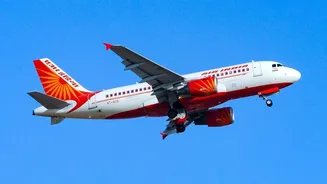







The Reasons Behind Soaring Ticket Prices
Several factors are converging to push international airfares higher for Indian travellers. A primary driver is the rising cost of Aviation Turbine Fuel (ATF), which constitutes up to 40-50% of an airline's operating expenses in India, a figure much higher than
the global average. This is amplified by high central and state taxes on fuel in major Indian metro cities. Furthermore, geopolitical tensions have led to airspace restrictions, forcing airlines to take longer routes, which burns more fuel and increases operational costs that are passed on to passengers. A strong rebound in travel demand has also outpaced the restoration of airline capacity, creating a classic supply-and-demand imbalance that drives up prices, especially on popular long-haul routes to Europe and North America. Finally, the depreciation of the rupee against the US dollar makes every component of international travel priced in foreign currency more expensive for Indian consumers.
Which Routes Are Most Affected?
While fares have increased across the board, long-haul flights have seen some of the most significant jumps. For instance, a ticket to Europe that might have been priced around ₹45,000 can now easily cost between ₹80,000 and ₹1.2 lakh. Flights to the US have also seen steep increases. Even popular short-haul destinations are not immune. Major Indian airlines recently increased fuel surcharges for flights to the GCC, Middle East, and Southeast Asia, adding a noticeable amount to the final ticket price. Some domestic routes have seen fares climb by as much as 68% compared to the previous year, indicating a widespread trend that also impacts the first leg of an international journey.
Book Well In Advance (But Not Too Early)
Timing is everything when it comes to booking flights in 2026. For international travel, the sweet spot is generally booking 60 to 90 days before your departure date. Booking further out than six months doesn't guarantee the best price, and waiting until the last three weeks will almost certainly expose you to surge pricing. For peak travel periods like school holidays or the festive season around Diwali and Christmas, it's wise to book even earlier, around three to four months in advance. Using tools like Google Flights to set up price alerts for your desired route can help you grab a deal when prices temporarily dip.
Be Flexible with Dates and Destinations
If you have flexibility, you can unlock significant savings. Flying mid-week—on a Tuesday, Wednesday, or Thursday—is consistently cheaper than travelling on weekends. Similarly, being open to your destination can make a huge difference. While Europe may be expensive, destinations in Southeast Asia like Vietnam, Thailand, and Indonesia remain relatively affordable, with round-trip fares often available in the ₹16,000 to ₹29,000 range if booked strategically. These countries offer great value for money on accommodation, food, and activities, allowing your overall holiday budget to stretch further.
Embrace Budget Airlines and Layovers
Direct flights offer convenience but almost always come at a premium. Embracing a flight with one or more layovers can often cut your airfare costs considerably. Many travellers are also turning to low-cost carriers for both short-haul and connecting long-haul flights. Airlines like IndiGo, AirAsia, and VietJet are expanding their international routes, providing more competition and affordable options. When booking, however, be mindful of ancillary fees for baggage, seat selection, and meals, which are common on budget airlines. It's also worth considering package deals that bundle flights and hotels, as these can sometimes offer better value than booking separately.