



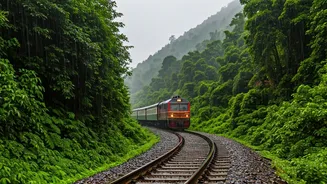



The Allure of the Monsoon Drive
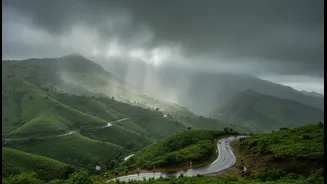
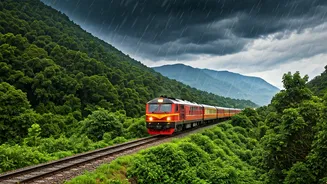
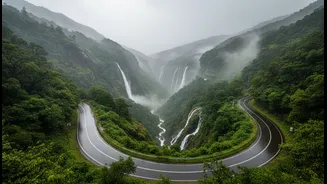
There's a reason why packing into a car and heading for the hills is a monsoon ritual for so many. The Western Ghats, transformed by rain, become a lush, vibrant paradise. Waterfalls appear from nowhere, mist hangs heavy in the valleys, and the air smells
of wet earth. It’s a sensory experience that promises an escape from city life. This romantic vision of rolling clouds and chai stops in places like Lonavala or Chikmagalur is powerful. But the very conditions that create this beauty also bring significant risks, turning the dream drive into a potential nightmare if you’re unprepared. The key is not to avoid the magic, but to respect the power of nature that creates it.
Your Vehicle: The First Line of Defence
Before you even think about the playlist, your car needs a thorough check-up. Driving in the Ghats during monsoon is demanding on any vehicle. Start with the tyres; they are your only connection to the slippery road. Ensure they have deep treads for grip and are inflated to the correct pressure. Worn-out tyres are a leading cause of hydroplaning and losing control. Next, get your brakes inspected. Wet roads increase stopping distances, so your brakes need to be in optimal condition. Finally, check your visibility aids: windshield wipers that clear water without streaking, fully functional headlights, taillights, and fog lamps are non-negotiable. Driving in near-zero visibility is common, and being seen is as important as seeing.
Mastering the Monsoon Ghat Road
Driving on winding mountain roads in a downpour requires a shift in your mindset and technique. The golden rule is to slow down significantly. Speed limits are for dry, ideal conditions. In the rain, reducing your speed gives you more time to react to sudden hazards like potholes hidden under water or unexpected debris. Use lower gears, especially on descents. This is called engine braking, and it helps control your speed without overheating your brakes. On blind curves, a common feature in the Ghats, use your horn to announce your presence to oncoming traffic. It is also standard practice to give way to vehicles driving uphill. Double the distance between your car and the one ahead; you'll need the extra space to stop safely.
The Unseen Dangers: Landslides and Fog
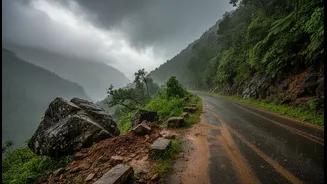
The most severe threats in the Ghats during monsoon are landslides and sudden, dense fog. Heavy rain saturates the soil on hillsides, making them unstable. In recent days, authorities in regions like Pune have issued warnings for popular spots like Lonavala and Rajgad Fort, highlighting the increased risk of landslides, rockfalls, and sudden surges in water levels in streams and waterfalls. Always check local news and official advisories before you leave. Some tourist spots may even be temporarily closed for safety. Be vigilant for warning signs like falling rocks, freshly cracked earth, or leaning trees. If you encounter dense fog, slow down, use low-beam headlights, and if visibility becomes too poor, find a safe place to pull over and wait.
Pack Smart for Peace of Mind
A well-stocked emergency kit isn't about expecting the worst; it's about being self-sufficient if you face delays. Your kit should include a first-aid box with basic medicines, a powerful torch, a fully charged power bank for your devices, and some non-perishable snacks and water. Given the poor connectivity in many hilly areas, downloading offline maps is a wise move. Packing quick-drying synthetic clothes over cotton is also advisable, as they dry faster in the humid conditions. A sturdy umbrella and waterproof footwear with good grip are also essential. And don't forget a waterproof bag or pouch to protect your electronics from the pervasive moisture.