




What is the New Facility?
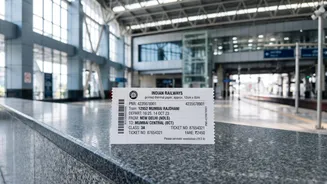
In a move to enhance passenger safety and provide a financial cushion against mishaps, Indian Railways will now offer travel insurance to a vast segment of its travellers. This facility, which has been available for years to those booking e-tickets via
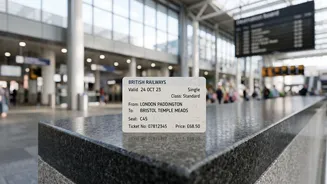
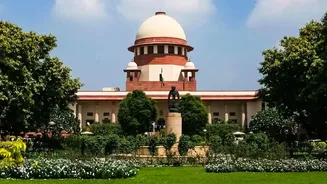
the IRCTC website or app, is being extended to passengers who buy unreserved or general tickets directly from ticket counters at railway stations across the country. The initiative follows a directive from the Supreme Court of India, which mandated the extension of this welfare measure to ensure that all passengers, regardless of how they purchase their ticket, have access to insurance coverage. The order came after a petition was filed in the wake of the tragic Odisha train accident in 2023, highlighting the need for a comprehensive safety net for all railway users.
Who is Eligible For This Insurance?
This scheme is specifically aimed at passengers who purchase unreserved tickets, often for short-distance or last-minute journeys. Previously, this large group of travellers, many of whom may not have access to digital booking platforms, were excluded from the optional insurance scheme. The new directive ensures that every passenger holding a valid counter-purchased ticket for a journey on Indian Railways can be covered. The only notable exception, based on the existing scheme for online tickets, is that the insurance is not applicable for children below the age of five. The facility is available to all Indian citizens, while foreign nationals are typically not eligible for this specific railway insurance scheme.
Coverage and Premium Details
While the exact premium for counter tickets is yet to be officially announced by the Railways, it is expected to be a nominal amount, similar to the online version. For e-tickets, the premium is currently just 45 paise per passenger. The coverage provided under the existing scheme is substantial. It includes a payout of up to ₹10 lakh in the unfortunate event of death or permanent total disability resulting from a train accident or other untoward incident during the journey. The policy also covers permanent partial disability for up to ₹7.5 lakh and provides up to ₹2 lakh for hospitalisation expenses. Additionally, it includes a provision for the transportation of mortal remains, offering ₹10,000 for this purpose. The insurance is provided by partner firms like SBI General Insurance or Liberty General Insurance.
How Will It Work at the Counter?
The Supreme Court's order stated that from October 27, all tickets sold over the counter must be covered by insurance in the same manner as online tickets. This suggests that the process will be integrated into the unreserved ticketing system (UTS) at the counters. While the final mechanism is pending clarification from Indian Railways, it is anticipated that passengers will be asked if they want to opt for the insurance at the time of purchasing their ticket. The nominal premium would then be added to the ticket fare. It is crucial for passengers to provide necessary details, likely a mobile number, where the policy information can be sent. For online tickets, a link to fill in nominee details is sent via SMS and email, and a similar process is expected for counter tickets.
Why This Initiative is a Game-Changer
Extending travel insurance to counter-ticket holders is a major step towards inclusive governance and social justice. A significant portion of train travellers in India, particularly from economically weaker sections, rely on unreserved tickets purchased at stations. These journeys, often undertaken in crowded general compartments, carry inherent risks. Providing an affordable insurance option offers a crucial financial safety net to these passengers and their families in case of an accident. It addresses a long-standing gap where a vital welfare measure was accessible only to those with digital literacy and online payment options. This move by the Supreme Court and Indian Railways acknowledges the right to safety and security for every single passenger, democratising access to financial protection.