






An Unprecedented Consumption Boom
India is in the midst of a massive retail transformation. Recent industry reports from the first half of 2026 show significant growth, with organised retail leasing increasing by 20% year-on-year. This surge isn't confined to the metros; retailers are
aggressively expanding into Tier-II cities, tapping into new markets. The driving force is a combination of rising incomes, rapid digital adoption, and a robust consumer appetite for everything from fashion and apparel to electronics and home goods. Fashion and apparel alone account for about 40% of this new retail space absorption. The e-retail segment is equally dynamic, with projections showing it could more than double to a value of nearly $180 billion by 2030, fuelled by an ever-increasing base of online shoppers.
Straining the Old Infrastructure
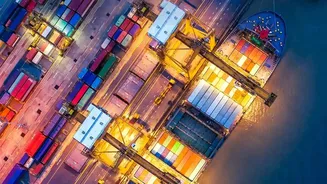
This explosive growth, however, places immense pressure on the country's traditional supply chain infrastructure. For decades, logistics in India was characterized by fragmented networks, poor road connectivity in parts, and high operational costs. Logistics expenses have historically represented a high percentage of the country's GDP compared to global benchmarks. As consumer expectations evolve, demanding faster and more reliable deliveries, these legacy systems are proving inadequate. Challenges like transportation delays, warehousing inefficiencies, and complex regulatory hurdles create bottlenecks that can disrupt the seamless flow of goods from producer to consumer. The rise of e-commerce, with its focus on individual, small-volume orders, further complicates a system originally built for bulk shipments to physical stores.
The Digital Channel Revolution
In response to both consumer demand and logistical challenges, digital channels have become the new frontier. E-commerce is no longer just an alternative; it is a primary driver of the retail economy. Beyond major marketplaces, the landscape is diversifying. The direct-to-consumer (D2C) movement is gaining steam, with brands building their own online presence and accounting for a significant share of retail leasing as they adopt omnichannel strategies. Quick commerce, promising delivery in minutes rather than days, is reshaping urban consumer expectations, forcing companies to re-engineer their supply chains for hyper-local efficiency. This digital transformation is a systematic shift, involving everything from data analytics and inventory management to how a business engages with its customers.
Innovating the Supply Chain
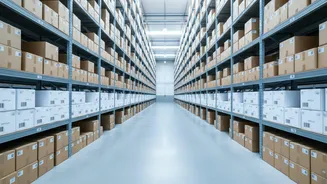
To keep pace, India's supply chain is undergoing a tech-fueled overhaul. Modern warehousing is moving towards automation with robotics, AI, and the Internet of Things (IoT) to manage inventory with greater precision and speed. Real-time tracking and advanced analytics are becoming standard, offering businesses unprecedented visibility into their operations. Government initiatives like the National Logistics Policy are also playing a crucial role, aiming to reduce logistics costs and improve efficiency by integrating road, rail, and digital systems. The goal is to build a resilient, cost-effective, and technology-driven logistics network that can not only support the domestic retail boom but also position India as a competitive global logistics hub. Last-mile delivery, the final and most complex step, is seeing a wave of innovation, from route optimisation software to new models for reaching customers in dense urban areas and remote towns alike.