



Why the Monsoon Magnifies Food Risks
The primary culprit during the monsoon is moisture. High humidity in the air means that harmful bacteria and fungi can multiply much faster on food surfaces than in dry weather. This damp, warm environment is particularly friendly to microbes that cause
foodborne illnesses. According to the Food Safety and Standards Authority of India (FSSAI), the risk of food contamination and related diseases rises significantly during the rainy season. Food that might have been safe sitting on the counter for a couple of hours in winter can become hazardous much more quickly when the air is thick with moisture. This makes proper storage and reheating not just a matter of taste, but of safety.
The Golden Rule: Cool and Store Quickly
One of the biggest mistakes is leaving cooked food out to cool for too long before refrigerating. In the humid monsoon climate, the standard two-hour window for safely leaving food at room temperature shrinks. Aim to get your leftovers into the fridge as soon as they stop steaming. Storing food in airtight containers is essential to protect it from airborne moisture and pathogens. Never place bags of food directly on a cold floor, which can introduce moisture. For large batches of food like a pot of dal or a rice dish, divide them into smaller, shallow containers. This helps the food cool down much faster and more evenly in the refrigerator, preventing bacteria from growing in the warm centre.
The Special Case of Rice
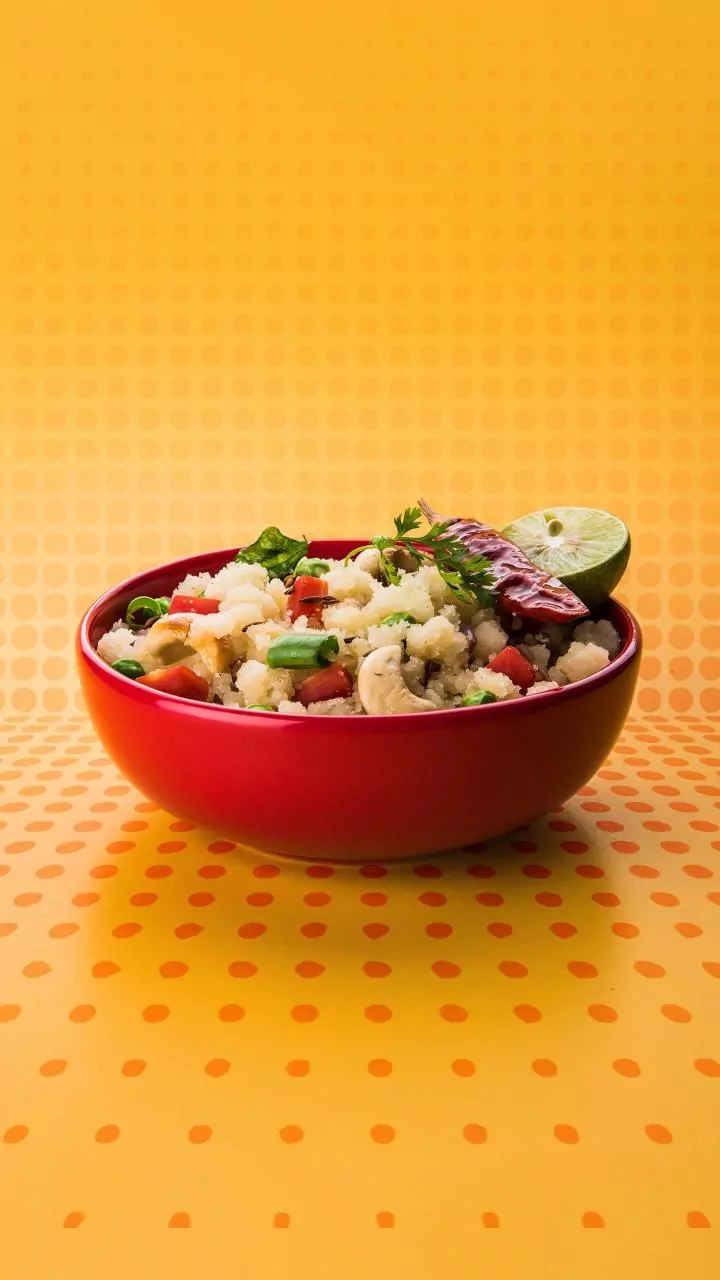
Cooked rice deserves special attention as it can harbour a bacterium called Bacillus cereus. This microbe is commonly found in soil and can contaminate raw rice. While the initial cooking kills the active bacteria, it can leave behind hardy spores. If cooked rice is left at room temperature, these spores can germinate and produce toxins. Reheating the rice will kill the new bacteria, but it won't destroy the heat-resistant toxins that have already formed, leading to a type of food poisoning sometimes called "fried rice syndrome". To avoid this, cool and refrigerate rice as quickly as possible, ideally within an hour. When you reheat, make sure it is piping hot throughout.
Reheating Techniques That Actually Work
Simply warming up your food isn't enough; you need to heat it thoroughly to kill any bacteria that may have developed. For liquid-based dishes like dals, sambar, and curries, bring them to a full, rolling boil on the stovetop. This ensures the entire dish reaches a safe temperature. For dry preparations like sabzis or stir-fries, heat them in a pan until they are steaming hot, stirring frequently to ensure even heating. If using a microwave, cover the food to retain moisture and ensure it heats evenly. Stop and stir the food midway through the reheating process to eliminate any cold spots where bacteria can survive. Always make sure the food is steaming hot before you serve it.
Handling Different Types of Leftovers
Different foods require slightly different approaches. Curries and Dals: As mentioned, reheating to a rolling boil is the safest method. Fried Snacks: Reheating items like pakoras or samosas in an oven or air fryer will restore their crispness and ensure they are heated through. Avoid the microwave, which can make them soggy. Rotis and Parathas: These can be safely reheated on a dry tawa. Sprinkle a tiny bit of water if they seem too dry. Meat and Seafood: These are high-risk foods. Ensure they are stored correctly and reheated until they are piping hot all the way through, reaching a safe internal temperature.
When in Doubt, Throw It Out
Your senses are your first line of defence. Before reheating, inspect your leftovers. If you notice any signs of spoilage, such as an off-smell, a slimy texture, or visible mould, discard the food immediately. Never taste food to check if it's spoiled; even a small amount can make you sick. Remember that some harmful bacteria and their toxins cannot be seen, smelled, or tasted. If a leftover has been stored improperly or if you have any doubts about its safety, it's always better to err on the side of caution. Your health is not worth the risk.