




First, What Are Proteins and Amino Acids?
Before we dive into the comparison, let's cover the basics. Proteins are essential macronutrients vital for countless bodily functions, especially building and repairing tissues like muscle. They are made up of smaller compounds called amino acids. There
are nine essential amino acids that our bodies cannot produce, so we must get them from our diet. A protein source that contains all nine of these in sufficient amounts is called a 'complete protein'. Animal-based proteins like whey, meat, and eggs are naturally complete. Most plant proteins, however, are 'incomplete', meaning they are low in one or more of these essential amino acids.
Understanding 'Biological Value'
The term 'biological value' (BV) sounds technical, but it’s a simple concept. It measures how efficiently your body can absorb and use the protein you eat for functions like muscle synthesis. A higher BV means more of the protein is incorporated into your body's proteins. Whey protein is famous for its high biological value, meaning it's absorbed and utilized very effectively by the body, which is one reason it’s a post-workout favourite. While BV is a useful measure, it's not the only factor that matters; digestibility and the overall amino acid profile are also crucial.
The Weakness of Single Plant Proteins
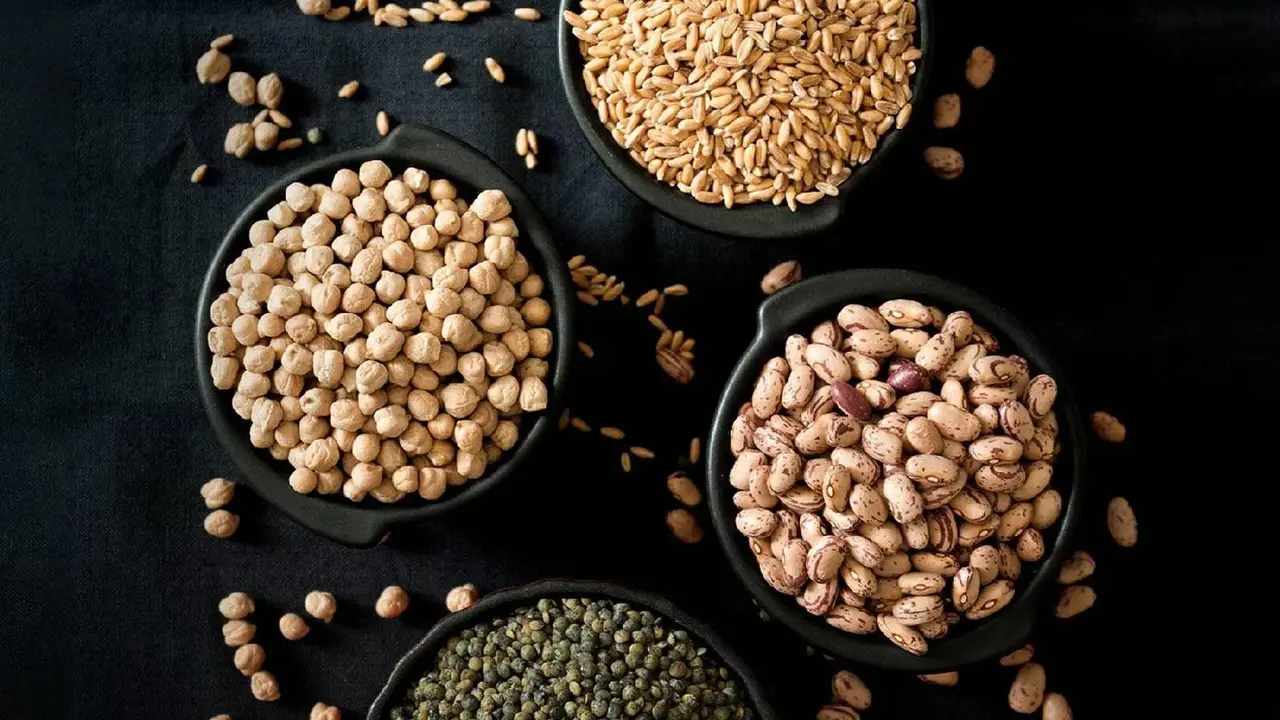
Individually, both pea and brown rice proteins are considered incomplete. Each has what is known as a 'limiting amino acid', which is the essential amino acid it contains in the lowest quantity. For pea protein, the limiting amino acid is methionine, which is crucial for metabolism and growth. While it's rich in many others, especially lysine, its low methionine content holds it back from being a complete protein on its own. Brown rice protein, on the other hand, is low in lysine but has plenty of methionine. This is where the magic of combining them begins.
The Power of a Perfect Partnership
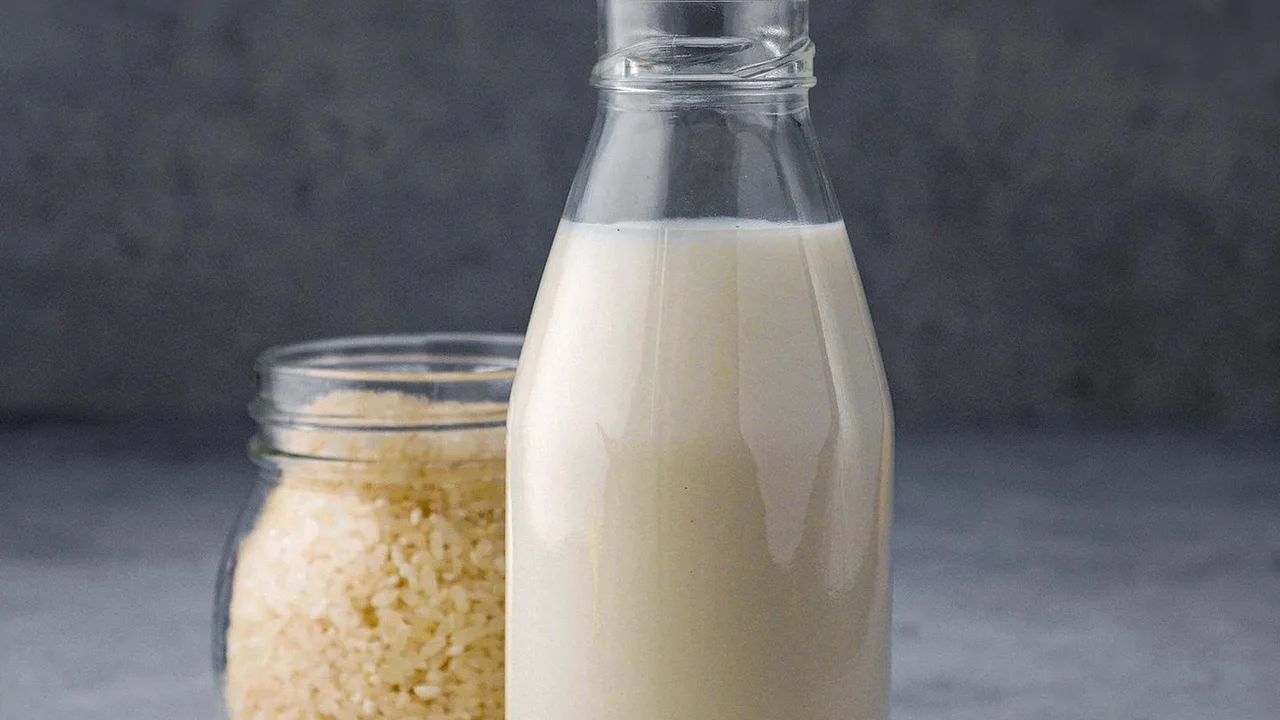
When you combine pea and brown rice protein, they perfectly complement each other's weaknesses. The high lysine content in pea protein makes up for the low amount in brown rice protein. Conversely, the high methionine content in brown rice protein fills the gap left by pea protein. Together, they create a full roster of all nine essential amino acids, forming a complete protein profile that is superior to any single plant protein source. This synergistic blend provides a balanced spectrum of amino acids that the body can use to effectively build and repair muscle tissue, much like an animal-based protein.
How Does the Blend Stack Up to Whey?
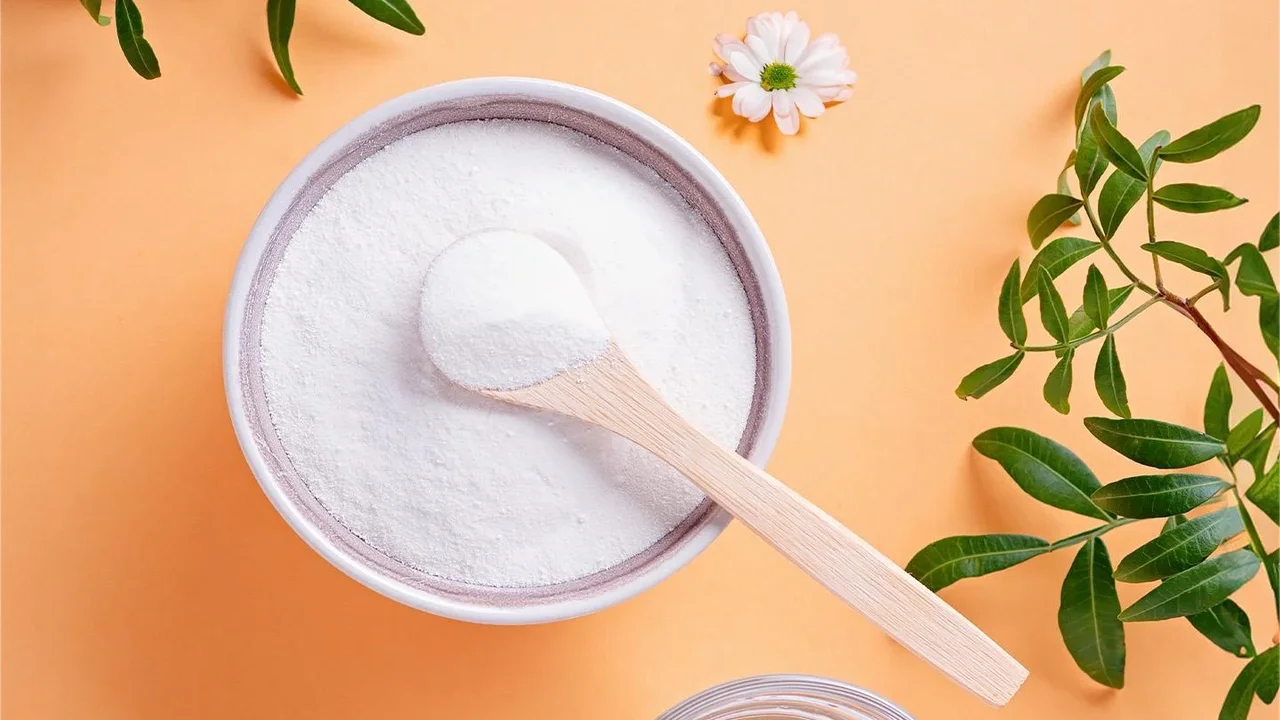
Now for the main event. Does this plant-powered duo truly equal whey? In terms of creating a complete amino acid profile, the answer is a resounding yes. Some studies have even shown that when matched for leucine content (a key amino acid for muscle growth), a pea and rice protein blend can stimulate muscle protein synthesis just as effectively as whey protein. While whey is absorbed more rapidly, which can be an advantage immediately after a workout, the plant-based blend is digested more slowly, providing a more sustained release of amino acids. This can be beneficial for satiety and prolonged muscle fuel. Furthermore, this combination is hypoallergenic, free from common allergens like dairy and soy, making it an excellent choice for individuals with lactose intolerance or sensitivities.
Who Can Benefit From This Combination?
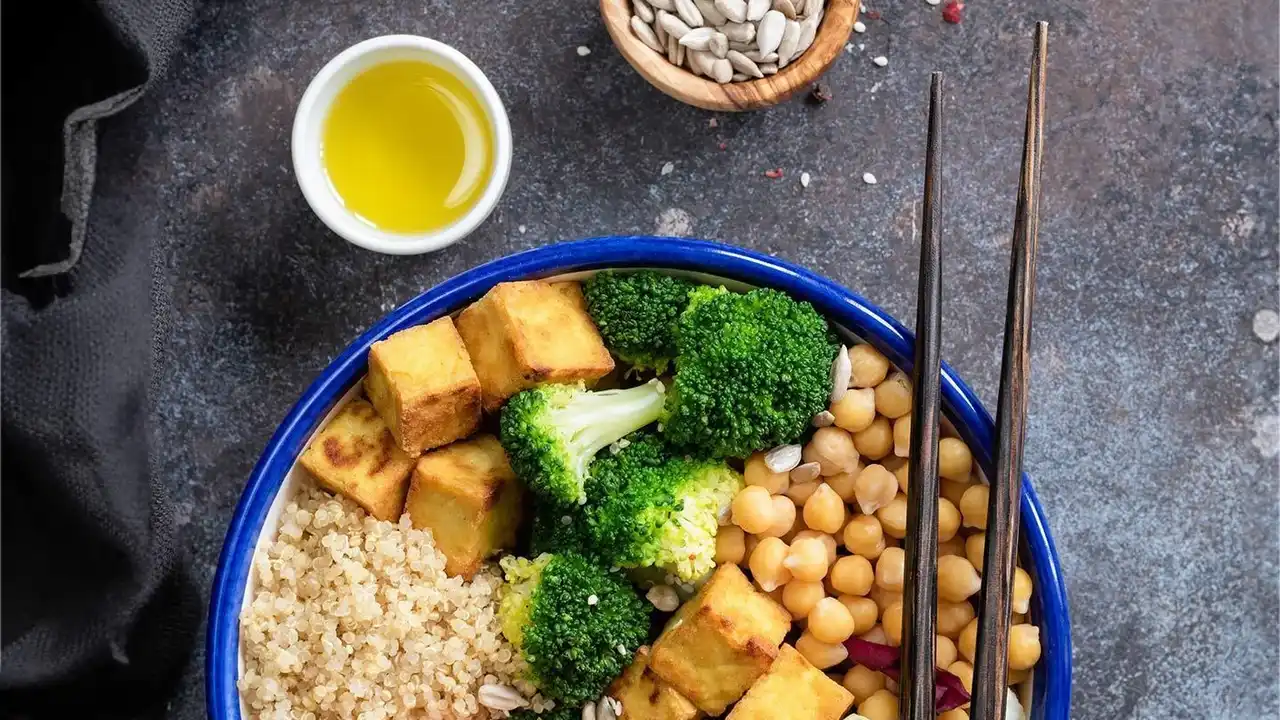
A pea and brown rice protein blend is an excellent choice for a wide range of people. It's the go-to for vegans and vegetarians looking for a high-quality protein source to support an active lifestyle. It's also ideal for anyone with a dairy or soy allergy or intolerance who struggles with whey or casein proteins. Even for omnivores, diversifying protein sources is a great nutritional strategy. Incorporating a plant-based blend can offer digestive benefits due to its typical fibre content and introduce a different profile of micronutrients into your diet. It's a versatile option that supports muscle growth, recovery, and overall health.