





Why Monsoon Magnifies the Risk
The monsoon season's defining characteristics—high humidity and warm ambient temperatures—create the perfect breeding ground for bacteria, fungi, and mould. When cooked food is left on the counter, it enters what food safety experts call the 'danger zone'.
According to the Food Safety and Standards Authority of India (FSSAI), this zone lies between 5°C and 60°C. In this temperature range, harmful bacteria like E. coli, Salmonella, and Staphylococcus aureus can multiply rapidly, often doubling their number in as little as 20 minutes. The increased moisture in the air during the monsoon accelerates this process, causing food to spoil much faster than in drier conditions.
The Hidden Danger of Toxins
A common misconception is that thoroughly reheating food will destroy all dangers. While heating food to a high temperature does kill active bacteria, it doesn't always eliminate the heat-stable toxins some bacteria leave behind. For instance, bacteria like Staphylococcus aureus and Bacillus cereus produce toxins that can survive the reheating process. If food has been stored improperly and these bacteria have had time to proliferate and produce toxins, you can still get sick with symptoms like nausea, vomiting, and diarrhoea, even after zapping the germs themselves. This is why preventing bacterial growth in the first place is far more important than just trying to kill them later.
Foods That Demand Extra Caution
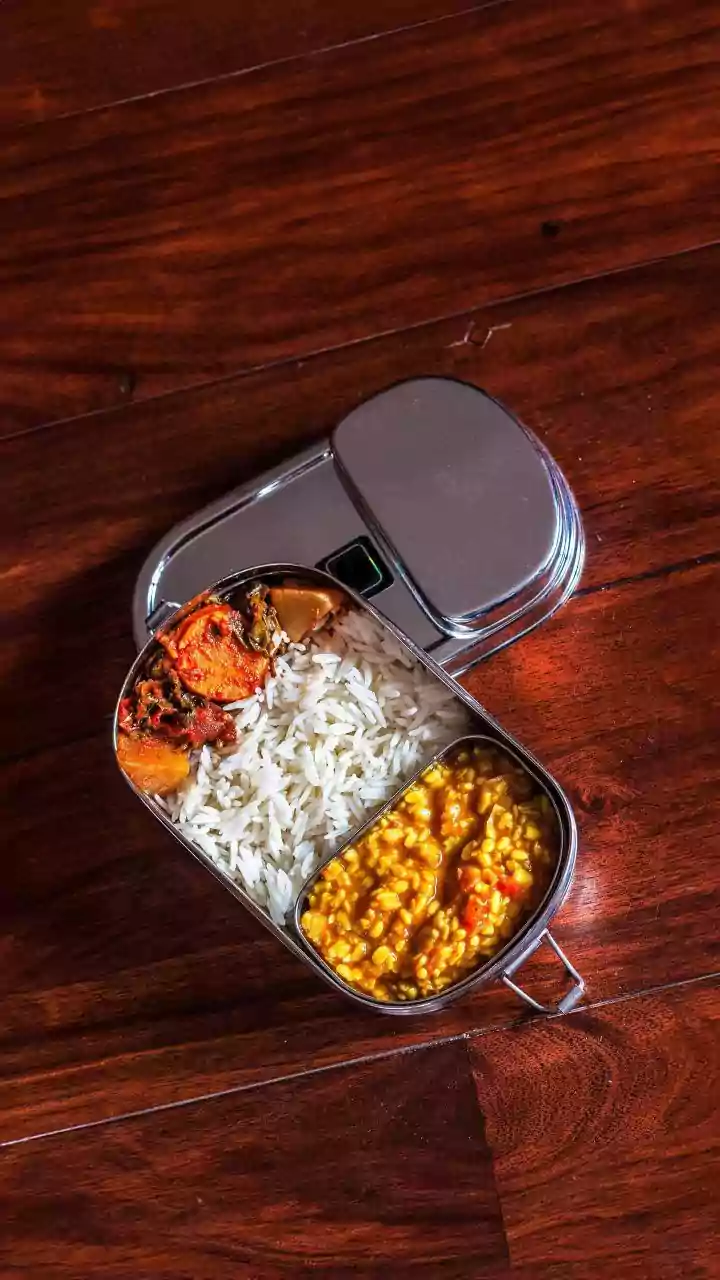
While all leftovers require care, some foods are inherently riskier to reheat. Rice is a primary example. It can contain spores of Bacillus cereus, a type of bacteria that can withstand the initial cooking process. If cooked rice is left at room temperature, these spores can germinate and produce toxins. Reheating the rice won't get rid of these toxins. Similarly, cooked potatoes, when left to cool at room temperature for too long, can create an environment suitable for the growth of Clostridium botulinum, the bacterium that causes botulism. Other high-risk foods include anything with a high protein or moisture content, like dals, curries, and meat dishes, which are fertile grounds for bacterial growth.
The Golden Rules of Storage
Safe reheating begins with safe storage. The goal is to get cooked food through the temperature danger zone as quickly as possible. Instead of leaving a large pot of dal or curry on the kitchen counter to cool down, you should divide it into smaller, shallow containers. Once the food stops steaming, place it directly into the refrigerator. This rapid cooling process slows down bacterial multiplication significantly. Using airtight containers is also crucial, especially during the humid monsoon, as it protects the food from airborne contaminants and excess moisture. Never leave cooked food out for more than two hours; during the monsoon, it's wise to reduce this window even further.
Mastering the Art of Safe Reheating
When it's time to eat your leftovers, reheating them properly is the final, critical step. The universal rule is to heat food until it is steaming hot all the way through. The target internal temperature should be at least 74-75°C (165°F). Using a food thermometer is the most reliable way to ensure you've hit this mark. If using a microwave, be mindful that it can heat unevenly, leaving cold spots where bacteria can survive. Always stir the food midway through the heating process to ensure it's uniformly hot. For liquids like soups and gravies, bringing them to a rolling boil on the stovetop is a good practice. Finally, resist the urge to reheat leftovers multiple times; it's best to only heat the portion you plan to eat and to consume it once.