


Beyond the Classic Pakora
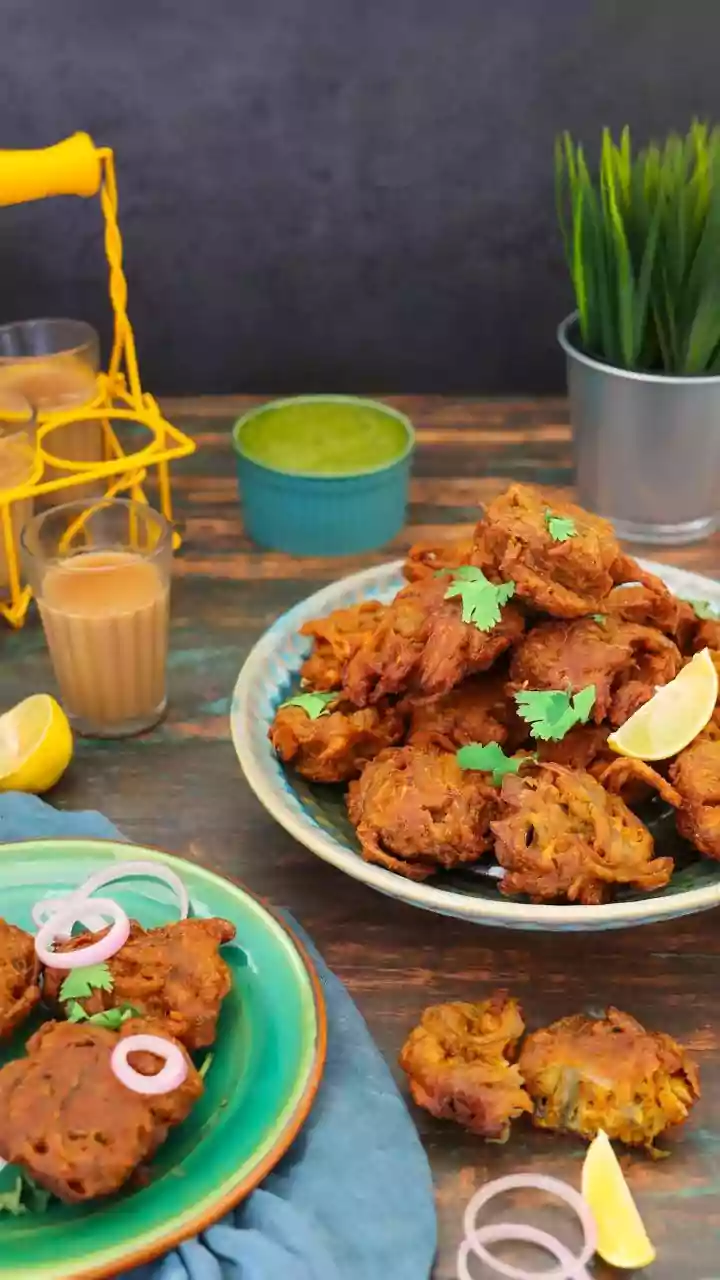
The quintessential image of a rainy day in Delhi is a cup of hot chai and a plate of assorted pakoras. It’s a classic for a reason. Yet, this season, a delicious evolution is taking place. Across the capital, from bustling Khan Market to the artsy lanes
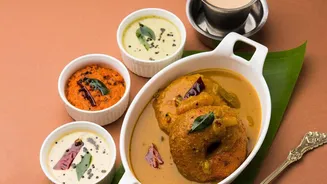
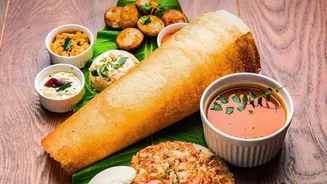
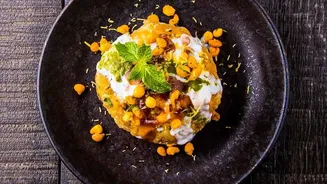
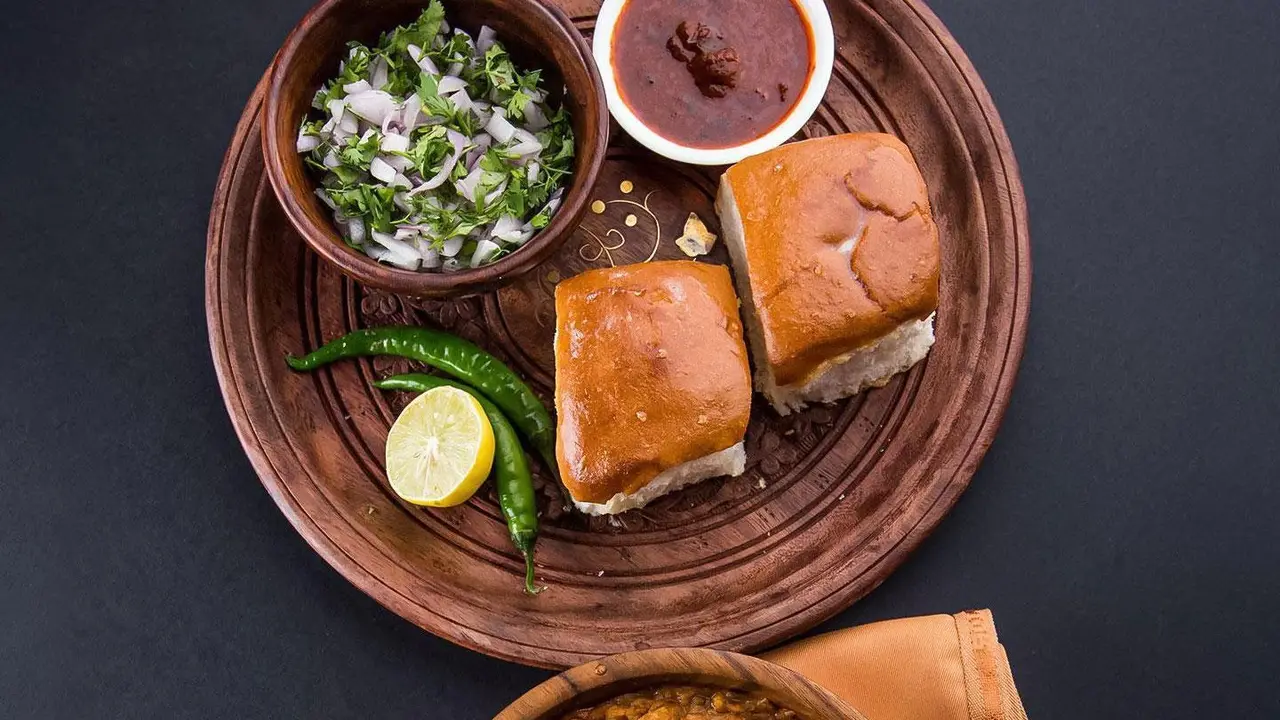
of Shahpur Jat, cafe owners and chefs are digging deeper into India’s vast culinary archives. They're moving beyond generic fried snacks and introducing patrons to hyper-regional monsoon delicacies. The result is a menu that reads like a culinary road trip, offering a taste of how the rest of the country enjoys the rains, one unique dish at a time. It’s a shift from the familiar to the fascinating, giving Delhiites a chance to explore the country's diverse comfort foods without leaving the city.
A Plateful of Nostalgia
For many chefs, this trend is personal. It's an opportunity to share a piece of their heritage, a flavour from their childhood kitchens. This focus on regional roots is resonating deeply with diners. For some, finding a dish like patrode on a Delhi cafe menu is a delightful shock—a taste of a grandmother's cooking found unexpectedly in a contemporary setting. For others, it’s a brand-new experience, an introduction to a flavour profile they’ve never encountered. Chefs are reporting that these dishes are not just menu items; they are conversation starters. They tap into a collective desire for authenticity and connection, offering a story with every serving and satisfying a craving for something both new and deeply rooted in tradition.
Spotlight on the Steamed and Spiced
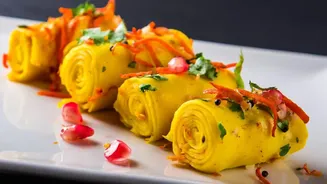
One of the stars of this new wave is patrode, also known as patra in Gujarat. This West Coast and Himalayan specialty consists of colocasia leaves smeared with a spiced gram flour paste, then rolled, steamed, and often pan-fried into crisp discs. Traditionally a home-cooked snack, its appearance in Delhi cafes highlights the move towards more complex, regional offerings. The leaves, rich in iron and Vitamin C, are a monsoon staple in many parts of India. Similarly, you might find Kerala's pazham pori (ripe plantain fritters) or Bengali telebhaja (various battered and fried vegetables) making an appearance, each offering a distinct texture and flavour that tells the story of its origin.
The Business of Comfort Food
This culinary shift isn't just about nostalgia; it’s a savvy business decision. In a crowded market, offering unique, regional dishes helps cafes stand out. It gives them a compelling story to tell, especially on social media, where a plate of unusual but authentic food can quickly go viral. The trend aligns with a growing global movement towards celebrating hyper-local ingredients and culinary heritage. Chefs are increasingly interested in exploring and preserving India's diverse food traditions, seeing it as the future of Indian cuisine. By putting regional monsoon recipes on the menu, cafes are not only attracting curious foodies but are also participating in a larger cultural conversation about what Indian food is and can be.