



Where Bridges Aren't Built, They're Grown
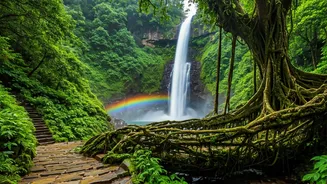
Forget steel and concrete. In the dense, tropical forests of Meghalaya, the Khasi people have for centuries guided the aerial roots of rubber fig trees across rivers, patiently weaving them into stunningly strong, living bridges. During the monsoon, these
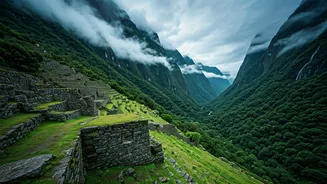
structures become even more magical. The surrounding jungle explodes in a thousand shades of green, mist clings to the canopy, and the rivers below swell with rainwater. Walking across a slick, moss-covered root bridge, with a stream roaring below, feels like stepping into a forgotten world. The famous double-decker bridge in Nongriat is a worthy trek, but countless others dot the landscape, each a testament to harmony with nature.
When Waterfalls Become Wonders
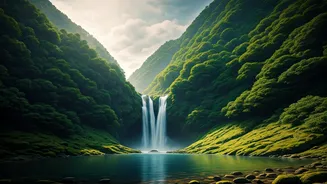
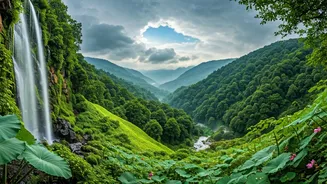
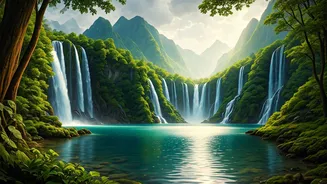
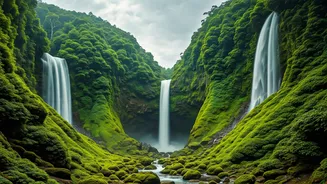
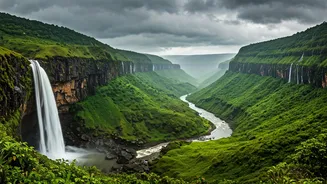
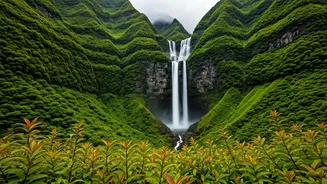
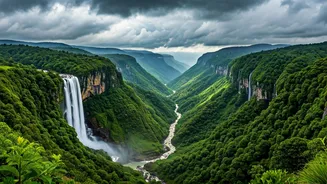
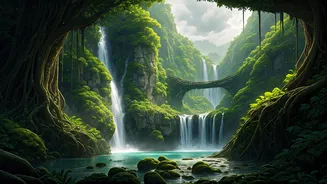
While waterfalls elsewhere may dwindle, Meghalaya’s are at their most spectacular during the monsoon. The state is home to some of India's tallest falls, and from June to September, they are in full, thunderous force. Nohkalikai Falls, one of India's tallest plunge waterfalls, dives from a forested cliff into a brilliant turquoise pool—a breathtaking sight when fed by the rains. Nearby, the Seven Sisters Falls cascades down limestone cliffs in a broad, powerful curtain of water. Every turn in the road seems to reveal another ribbon of white water tumbling down a green hillside, turning the entire region into a dynamic landscape.
Embrace the World's Most Famous Rain
Meghalaya is home to Mawsynram and Cherrapunji, villages vying for the title of wettest place on Earth. For a traveler seeking sun, this might sound like a reason to stay away. But here, the rain is the culture. It’s an immersive, atmospheric experience—witnessing dramatic downpours from a cozy guesthouse, tea in hand. The sound of rain on a tin roof becomes a soothing soundtrack. The fog that rolls in, obscuring and then revealing dramatic gorges, adds a layer of mystery. Locals even use unique, full-body bamboo umbrellas called 'knups,' a perfect example of life adapted to the weather.
A Different Kind of Adventure
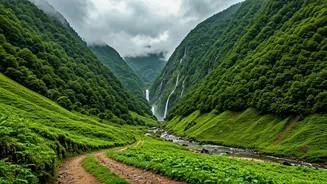
The monsoon doesn't shut down adventure; it redefines it. Trekking takes on a new dimension as you navigate muddy paths through clouds, with the landscape appearing and disappearing in the mist. The trail to the double-decker root bridge becomes a genuine challenge and reward. Meghalaya is also famous for its vast network of caves, some of the longest in Asia. While some are inaccessible due to flooding, guided tours to safer caves like Mawsmai offer a glimpse into a subterranean world of stalactites and stalagmites—a perfect activity for a rainy day.
Comfort Food for Rainy Days
Meghalaya’s cuisine is the perfect companion to its climate. It’s hearty, flavorful, and often centered around pork and rice. On a cool, rainy evening, nothing beats a bowl of Jadoh, a savory rice and meat dish. Local eateries serve up steaming bowls of noodles and hot soups that feel like a warm hug. Beyond the food, you'll encounter the fascinating Khasi culture, one of the world's few remaining matrilineal societies, where lineage is traced through women. This adds a rich cultural layer to the stunning natural beauty, making a visit a truly holistic experience.