





The 'Sayonara Tax' Explained
Officially called the International Tourist Tax, this fee is charged to nearly every person leaving Japan by air or sea. First introduced in January 2019 at a rate of ¥1,000, the Japanese government tripled the tax to ¥3,000 (roughly $18-$19 USD) effective
July 1, 2026. The charge applies to both foreign visitors and Japanese nationals, ensuring everyone who travels abroad contributes. You won’t be asked to pay it at a separate counter; the fee is automatically included in the price of your airline or cruise ticket, making it an almost invisible part of your travel costs. The only real exemptions are for children under two years old and transit passengers who depart Japan within 24 hours of arriving.
From Small Change to Big Budgets
While a few thousand yen might seem insignificant per person, the collective revenue is substantial. When the tax was ¥1,000, it generated around ¥50 billion annually. With the recent threefold increase, the government projects that annual revenue will jump to approximately ¥120 billion to ¥130 billion (around $740 million USD). This transforms the tax from a minor income stream into a powerful, dedicated fund. The 'real budget impact' isn't on Japan's entire multi-trillion yen national budget, but rather its targeted effect on the tourism sector. This fund is specifically earmarked, allowing the Japan Tourism Agency to pursue ambitious projects without competing for funds from the general budget.
A Direct Line to a Better Travel Experience
The Japanese government has been transparent about its plans for this windfall. The revenue is funnelled directly into three key areas designed to improve the travel experience for everyone. The first is creating a more comfortable and stress-free environment. This includes tangible upgrades like installing facial recognition and self-service baggage drop gates at airports to speed up immigration and departure processes. It also funds measures to combat 'overtourism'—the strain that record visitor numbers put on popular sites. This involves initiatives like improving crowd management at famous photo spots and developing park-and-ride systems to ease congestion.
Funding Sustainable and Dispersed Tourism
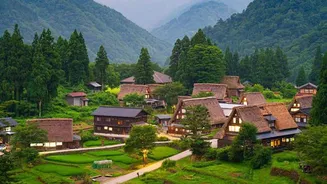
The second major use of the tax revenue is to develop and promote Japan's diverse attractions, encouraging travelers to venture beyond the 'golden route' of Tokyo, Kyoto, and Osaka. The funds support renovating historic buildings, making local railways more tourist-friendly, and installing beautifying elements like subsurface utility lines in scenic towns. The goal is to spread the economic benefits of tourism to regional areas and offer visitors a richer, more varied experience. Finally, the money is used to improve access to information, from enhancing the Japan National Tourism Organization's online resources to funding exhibits at international travel expos to showcase the country's lesser-known gems.