




Moving Beyond Cornflour
For decades, the default method for thickening soups and sauces in many commercial and home kitchens has been a slurry of cornflour or other refined starches. While effective, these highly processed agents offer little nutritional value and can create
a slick, sometimes artificial texture. They represent a globalised pantry that often overlooks the potent, flavourful ingredients available in our own backyard. This reliance on refined flours is now being questioned by a new wave of culinary professionals who are looking to both the past and the land for inspiration.
The Return of Ancient Grains
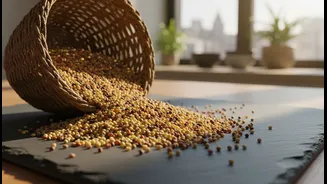
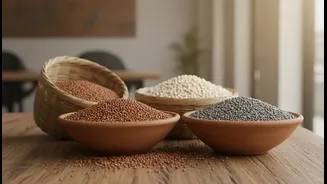
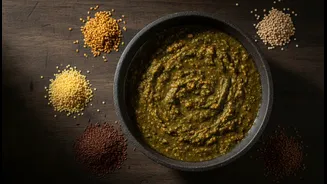
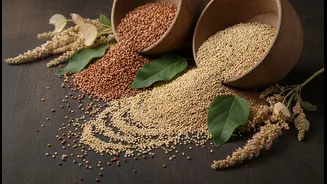
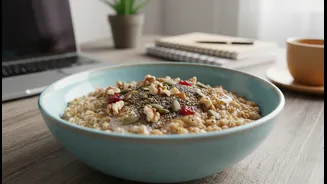
The answer, it turns out, has been here all along. Chefs are rediscovering the power of indigenous Indian grains, especially millets like jowar (sorghum), bajra (pearl millet), and ragi (finger millet). These grains, once staples of the Indian diet, are making a significant comeback. Instead of a cornflour slurry, chefs are using finely ground millet flour or even whole cooked grains, blitzed into the soup, to add body and a creamy consistency. Kodo, little, and barnyard millets are also excellent choices for this purpose. This method not only thickens the soup but also imparts a subtle, nutty, and earthy flavour that complements monsoon vegetables perfectly.
A More Sustainable Bowl
The shift towards indigenous grains is about more than just taste and texture; it's a conscious environmental choice. Many millets are hardy, drought-resistant crops that thrive in arid conditions with minimal water and chemical inputs, unlike water-intensive crops like corn and rice. By championing these grains, chefs support agricultural biodiversity and provide a stable source of income for small-scale farmers cultivating traditional crops. This movement aligns with a broader push for regenerative farming practices that heal the soil and create a more resilient food system, one bowl of soup at a time.
Packed with Nutritional Power
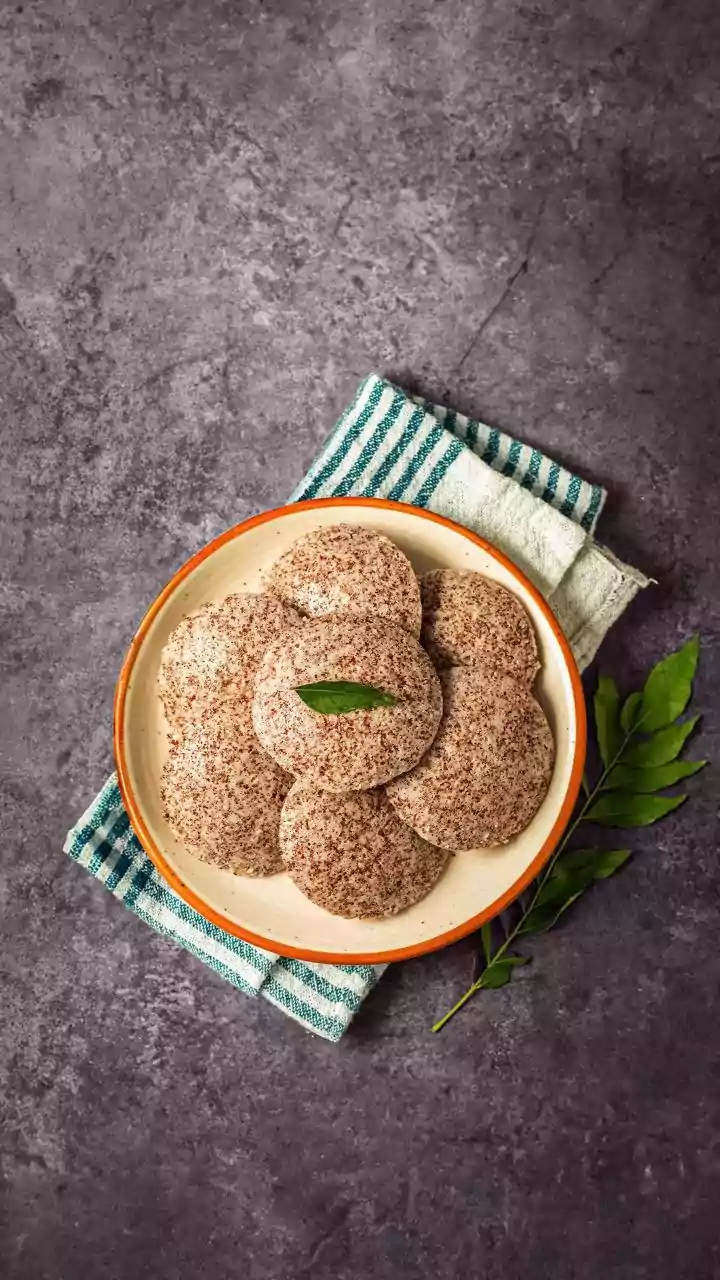
This culinary trend is also a huge win for health-conscious diners. Unlike their refined counterparts, ancient grains are nutritional powerhouses. They are naturally gluten-free and packed with protein, fibre, vitamins, and essential minerals like iron, calcium, and magnesium. The high fibre content aids digestion and promotes a feeling of fullness, making the soup more satisfying. For instance, ragi is renowned for its high calcium content, while jowar is rich in protein and iron. This makes a millet-thickened soup not just a comforting meal, but a deeply nourishing one that boosts immunity and energy levels, which is especially welcome during the damp monsoon season.
Techniques from the Kitchen
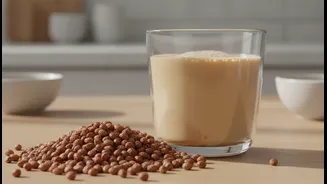
Creative chefs are employing various techniques to incorporate these grains. Some toast the millet flour before adding it to a soup base, a step that deepens its nutty aroma. Another popular method involves cooking whole millets with vegetables and then using an immersion blender to partially or fully puree the mixture, creating a naturally creamy and thick soup without any dairy or processed additives. Some even use different millets for different effects: foxtail millet for its quick-cooking and nutty flavour, or ragi for its earthy notes and rich colour. This approach allows for a wide spectrum of textures, from rustic and chunky to velvety smooth.