



An Intensified Monsoon Brings Heightened Risks
This year's monsoon season is proving particularly active across India. The India Meteorological Department (IMD) has issued multiple alerts for heavy to very heavy rainfall in several states. In early August, regions in the Northeast, including Assam
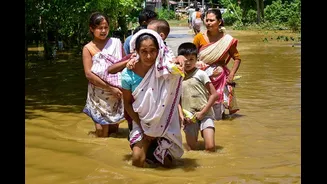
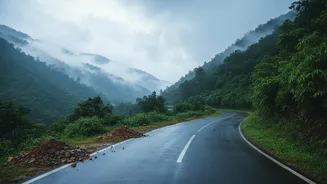
and Meghalaya, and northern states like Uttarakhand have experienced extremely heavy rainfall. Recent days have seen significant downpours in Himachal Pradesh, Madhya Maharashtra, Kerala, and Karnataka, leading to hazardous conditions. This is not the time to assume your usual route to the hills or the coast is safe. The intensity of these showers significantly increases the risk of flash floods and, most critically for travellers, landslides that can block roads for hours or even days.
High-Alert Zones: Where to Be Extra Cautious
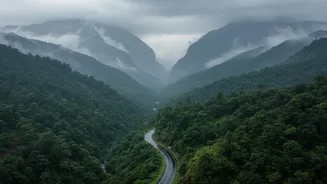
Certain regions are currently more vulnerable than others. In Himachal Pradesh, recent torrential rains have led to the closure of over 150 roads, with districts like Mandi, Sirmaur, Kullu, and Shimla being heavily affected. Reports from early August 2026 confirm that numerous power transformers and water supply schemes are also disrupted, indicating widespread impact. Similarly, travellers heading to Uttarakhand should be aware that routes for the Char Dham Yatra have been under surveillance due to cloudbursts and landslides. The Western Ghats, particularly in Kerala and Karnataka, are also on high alert. Recent landslides have caused fatalities and blocked key routes in districts like Wayanad in Kerala and Dakshina Kannada in Karnataka, with authorities warning tourists to avoid riverbanks and waterlogged areas.
Your Pre-Travel Safety Checklist
Before you even lock your front door, a few crucial checks can make all the difference. First, consult the latest weather forecasts from the IMD. Their website and the 'Mausam' app provide district-level warnings. Second, check with official sources for road status. The National Highways Authority of India (NHAI) often provides updates and has deployed emergency teams in vulnerable areas like Himachal Pradesh and along the Pune-Satara highway. Many state police departments now use social media to post real-time traffic updates and closures. Third, have a backup plan. Book accommodations with flexible cancellation policies and map out alternative routes in case your primary choice is blocked. Finally, prepare your vehicle. Ensure your tyres, wipers, and headlights are in excellent condition and pack an emergency kit with a first-aid box, torch, power bank, extra food, and water.
Essential Apps and Resources
Leveraging technology is one of the best ways to stay ahead of potential problems. Beyond the IMD's 'Mausam' app, Google Maps offers real-time traffic data that often reflects blockages and slowdowns. The NHAI also has its own portals and helpline numbers for travellers on national highways. For more localized information, look for apps or websites run by state disaster management authorities. For instance, the Himachal Pradesh State Disaster Management Authority (HPSDMA) provides specific updates on road closures and weather alerts. Following the Twitter or Facebook pages of the local district administration and traffic police for your destination can also provide invaluable, on-the-ground information that larger platforms might miss.
On the Road: Driving Safely in the Rain
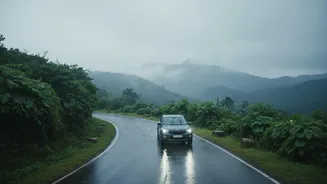
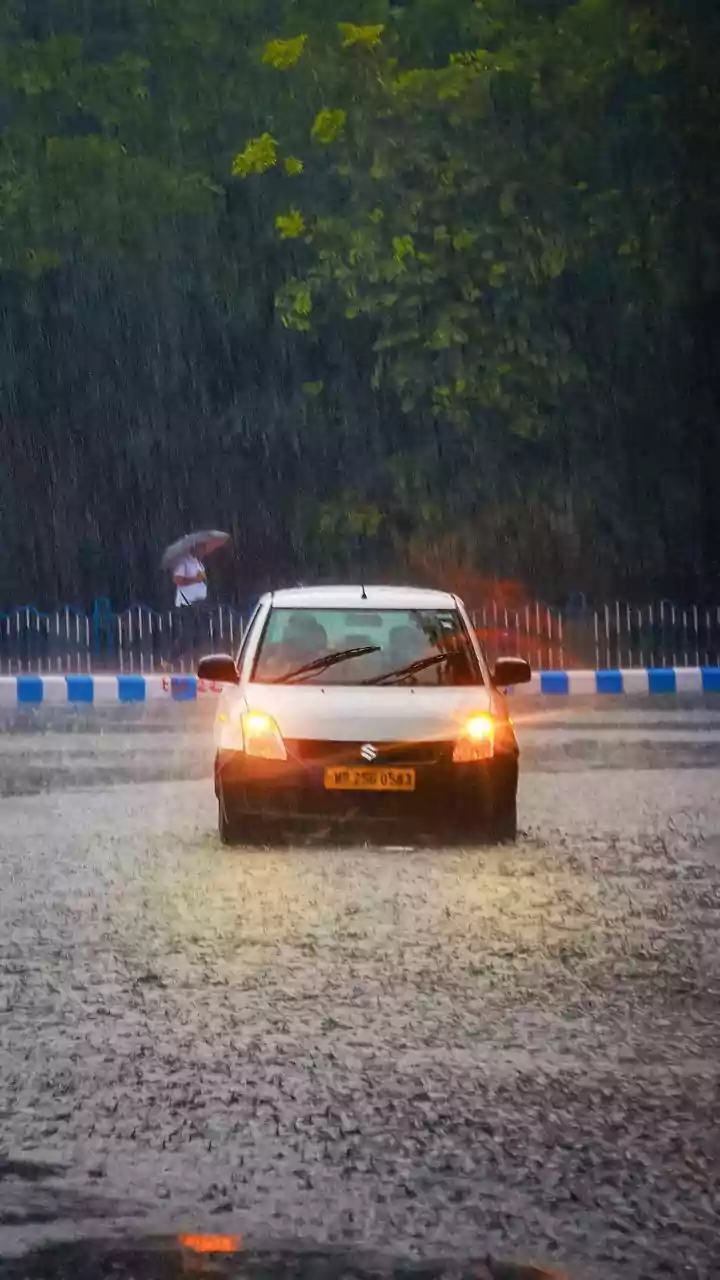
Once you are on your way, vigilance is key. Avoid travelling at night on hill roads during heavy rain, a piece of advice frequently issued by local police. Be wary of driving through overflowing streams (nalas) or waterlogged streets, as it's often difficult to judge the depth or the force of the current. If you spot trickles of mud, fresh debris, or newly cracked earth on a hillside, treat it as a warning sign for a potential landslide and do not stop to investigate. Find a safe place to turn back. Maintain a safe distance from the vehicle in front of you, as braking distances are significantly longer on wet roads. If the rain becomes too heavy and visibility drops, it is safer to pull over at a secure spot and wait for the weather to improve rather than pushing onward.