






The End of the Travel To-Do List
For decades, the mark of a 'successful' vacation was a full camera roll and a completed checklist. See the Taj Mahal at sunrise, raft the Ganges in the afternoon, attend an aarti by evening. This approach, often fuelled by a desire to maximise every moment
and prove it on social media, treated travel like a competitive sport. But a significant shift is underway. An increasing number of travellers, particularly millennials and Gen Z, are rejecting this 'achievement-oriented' tourism. They are trading in their colour-coded spreadsheets and minute-by-minute plans for something far more radical: empty space. This isn't about being lazy; it's about being intentional. It's the conscious decision to do less in order to feel more, to absorb a place rather than just observe it.
From Burnout to Breathing Room
What’s driving this great slowdown? The answer, for many, is burnout. Modern life, especially in our bustling Indian cities, is a relentless cycle of deadlines, notifications, and social pressures. We are constantly 'on' — connected to work, to news, to the endless scroll. A traditional, hectic vacation can often feel like an extension of this chaos, just in a different location. You return home needing a holiday from your holiday. The 'proper reset' vacation is a direct antidote to this. It's a recognition that true rest isn't about filling your time, but emptying it. The goal is no longer to 'see everything' but to 'feel something' — calm, clarity, or a simple sense of being present. This movement gained significant momentum post-pandemic, as people reassessed their priorities and placed a higher value on mental health and well-being.
What a ‘Proper Reset’ Looks Like
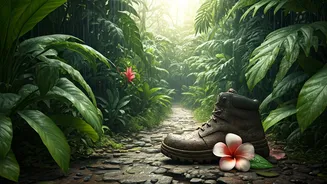
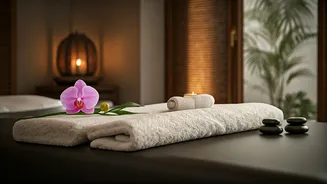
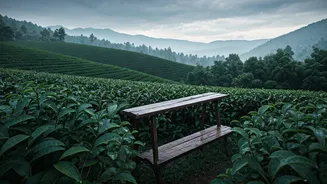
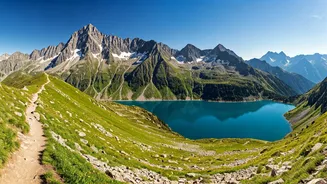
So, what does this anti-itinerary travel actually look like in practice? It’s less about a specific destination and more about a mindset. It could be 'slow travel', where you spend a week or more in a single town or village, getting to know the local market, finding a favourite chai stall, and living at the pace of the community. Think of a quiet homestay in a Coorg coffee plantation or a rustic cottage in the hills of Uttarakhand. Another popular form is the dedicated wellness retreat. These are structured around rejuvenation, offering yoga, meditation, Ayurvedic treatments, and healthy food, with the express purpose of healing the mind and body. The focus is internal. It could also simply be a nature-immersion trip — a multi-day trek in the Himalayas or a few days in a forest lodge with no Wi-Fi, where the only agenda is to walk, read, and listen to the sounds of the jungle.
India’s Answer to the Great Slowdown
India, with its ancient traditions of wellness and its vast, diverse landscapes, is perfectly positioned for this travel trend. The concept of a 'reset' is deeply embedded in our culture. The world comes to Rishikesh to learn yoga and meditation, not to rush between tourist spots. Kerala's Ayurvedic centres have offered profound, immersive healing journeys for centuries, long before 'wellness' became a global buzzword. Today, travellers are rediscovering these roots. They are seeking out quiet ashrams, boutique farm stays in Punjab, and secluded beach huts in Goa where the day is structured by the tides, not a tour guide. This isn't just about escaping the city; it's about reconnecting with a slower, more mindful way of being that has always been a part of the subcontinent’s spiritual DNA.