




More Than Just a Plant
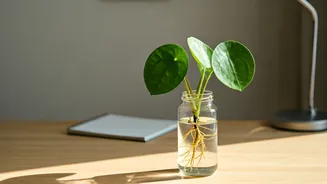
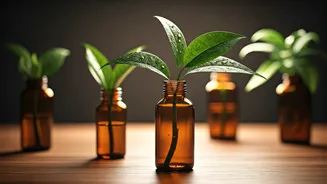
Look around any modern office or scroll through work-from-home setups on Instagram, and you’ll see it. Small, brown-tinted bottles line windowsills and desk corners, each holding a single plant cutting with delicate white roots unfurling in the water.
This isn’t just about having a plant; it’s about participating in its growth. Propagation—the process of creating new plants from cuttings—has become a mindfulness ritual for many. It combines the wellness benefits of biophilic design (our innate need to connect with nature) with a low-effort hobby that offers a high reward: the quiet satisfaction of watching something grow. In a world of digital burnout, this analogue, living decor feels like a small, beautiful act of rebellion.
Why Amber Glass Specifically?
While you can propagate a plant in any glass jar, the choice of amber glass is both aesthetic and scientific. Aesthetically, the warm, brown tint evokes a vintage, apothecary vibe that feels curated and sophisticated. It complements both minimalist and maximalist decor, adding a touch of earthy warmth. Functionally, there’s a bigger advantage. Amber glass is designed to block out a significant amount of UV light. For a young cutting developing its root system, this is crucial. Less light hitting the water means slower algae growth, keeping the environment cleaner for the delicate new roots. It also protects the roots themselves, which prefer darkness, mimicking the conditions they would experience underground. So, that stylish bottle isn't just for looks—it’s a better home for your future plant.
The Easiest Plants to Start With
The beauty of this trend is its accessibility. You don’t need to be a seasoned gardener to succeed. Many of the most popular and hardy houseplants in India are incredibly easy to propagate in water. Look for vining plants, as they are practically designed for this. Your best bets include: * **Pothos (Money Plant):** The undisputed king of easy propagation. Just snip a piece of vine with a few leaves and a node (the little bump where the leaf meets the stem). * **Philodendron:** Similar to Pothos, varieties like the Heartleaf Philodendron root quickly and look stunning in a bottle. * **Syngonium (Arrowhead Plant):** Another low-fuss favourite that roots reliably in water. * **Spider Plant:** Look for the small “pups” or “spiderettes” that dangle from the mother plant. These are baby plants ready to be rooted. * **Wandering Dude (Tradescantia zebrina):** Known for its vibrant purple-and-silver leaves, this plant roots so fast you can practically watch it happen.
Your Step-by-Step Propagation Guide
Ready to turn your desk into a mini-nursery? It’s simpler than you think. 1. **Get Your Bottle:** Find an amber glass bottle. You can repurpose old medicine or tonic water bottles (just clean them thoroughly) or buy them online. 2. **Take a Cutting:** Using clean scissors, snip a 4-6 inch piece of stem from a healthy mother plant. Make your cut just below a leaf node. The node is where the new roots will sprout from. Remove any leaves on the lower part of the stem that would otherwise be submerged in water, as they will rot. 3. **Add Water:** Fill your bottle with room-temperature water. If your tap water is heavily chlorinated, let it sit out for a day before using it. 4. **Place and Wait:** Put your cutting into the bottle, ensuring the node is underwater. Place it in a spot with bright, indirect light. A desk near a window is perfect. 5. **Maintain:** Change the water every few days to keep it fresh and oxygenated. In a few weeks, you should see the first signs of roots. Once the roots are an inch or two long, you can either leave it in the water as a permanent hydroponic decoration or plant it in soil.