



The Old Sunscreen Struggle
For years, applying sunscreen in India felt like a necessary evil. The majority of products were thick, oily creams that felt heavy on the skin, especially in the country's hot and humid climate. These traditional formulas often clogged pores, caused
breakouts, and, most notoriously, left behind a chalky, ashy finish known as a “white cast.” This effect is particularly noticeable and frustrating on the diverse spectrum of Indian skin tones. The unpleasant sensory experience, combined with the visible residue, was a major reason why many people skipped this crucial skincare step altogether, despite knowing the risks of sun exposure.
What Sparked the Demand for More?
The shift towards better textures is being driven by a more educated and digitally-savvy consumer. Thanks to social media, beauty influencers, and online resources, there is a greater awareness of skincare ingredients and the importance of daily sun protection. Consumers now understand that sunscreen is not just for a day at the beach but an essential tool to prevent premature ageing, tanning, and hyperpigmentation. This heightened awareness has led to a demand for products that are not only effective but also enjoyable to use. People are looking for multifunctional products that fit seamlessly into their daily routines, feel comfortable under makeup, and cater specifically to the challenges of the Indian climate.
Defining the 'Better Texture' Wishlist
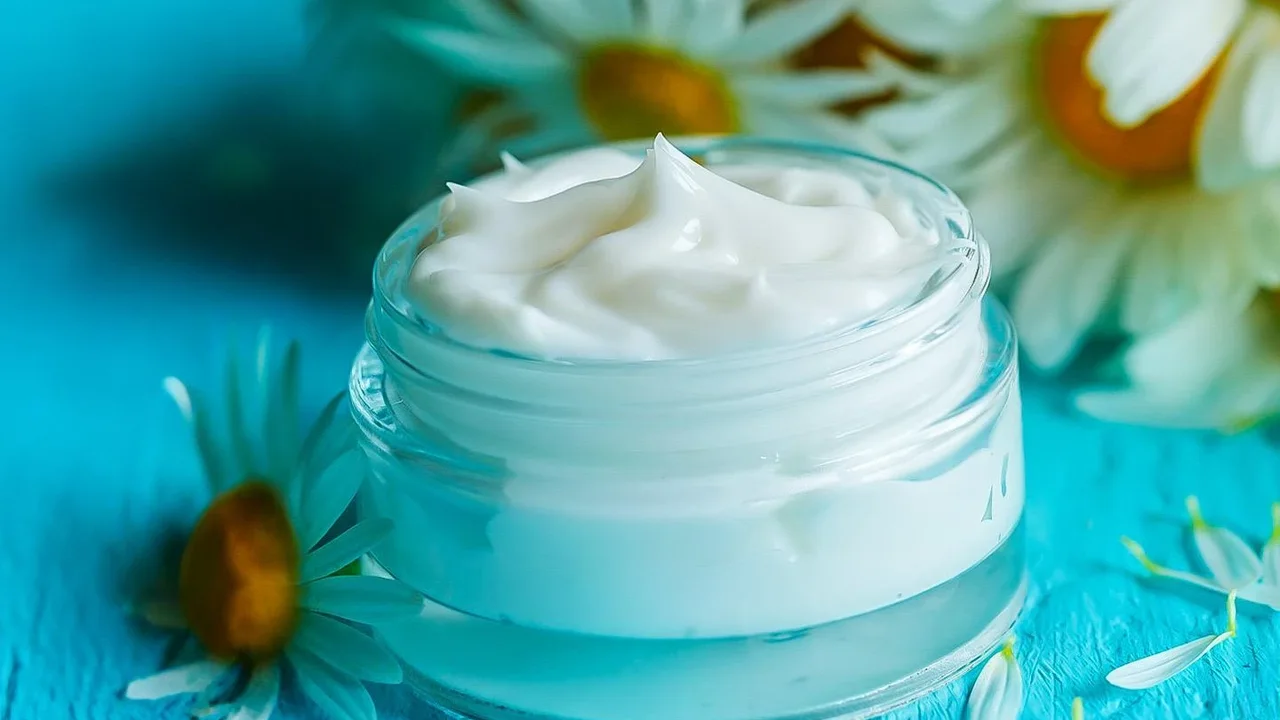
So, what exactly do consumers mean by “better textures”? The new generation of preferred sunscreens is a world away from the old, goopy creams. Formulations like lightweight gels, watery essences, and fast-absorbing serums are now in high demand. These products feel weightless on the skin, absorb in seconds without leaving a greasy film, and often provide a matte or semi-matte finish that helps control shine throughout the day. The number one requirement is a “no white cast” finish. Brands are achieving this by using advanced chemical UV filters or finely milled mineral particles in hybrid formulas that appear invisible on the skin. Tinted sunscreens, which use pigments to blend with the skin tone, have also become popular for providing protection while evening out the complexion.
How to Find Your Perfect Formula
Navigating the sunscreen aisle is easier when you know what to look for. For those with oily or combination skin, gel-based or fluid sunscreens are excellent choices. Look for labels that say “lightweight,” “aqua gel,” “fluid,” or “matte finish.” If you have dry skin, a serum or lotion-based sunscreen might offer the right balance of hydration and protection. Many modern formulas are also packed with beneficial skincare ingredients like hyaluronic acid for hydration, niacinamide for oil control, and vitamin C for brightness, allowing you to combine steps in your routine. Pay attention to the protection ratings: an SPF of 30 is the minimum, but SPF 50 is widely recommended for Indian conditions, alongside a high PA rating (like PA++++) for robust UVA protection.
The Future of Sun Protection in India
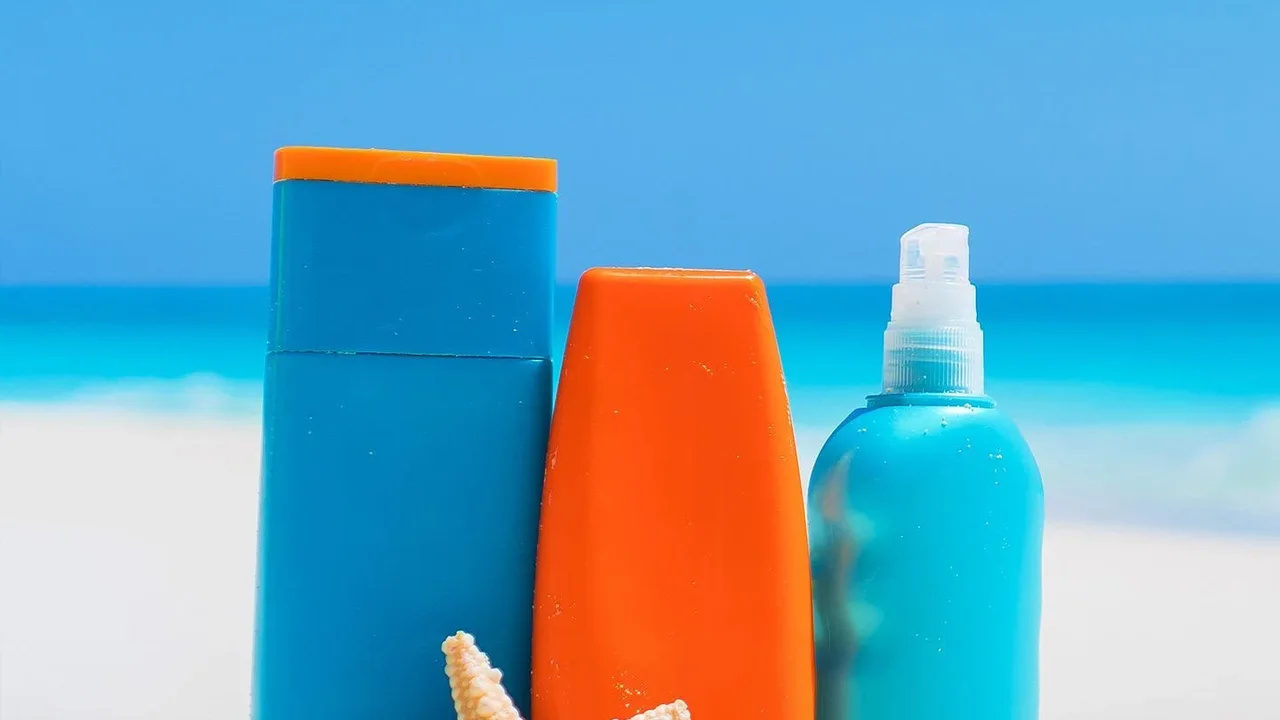
The Indian sunscreen market is growing rapidly, with forecasts expecting it to reach nearly USD 1 billion by 2030. This growth is a direct response to consumer demand. Brands, both domestic and international, are innovating at a remarkable pace, launching new formats like sprays, sticks, and powders that make reapplication easier than ever. The focus is on creating products that are not just protective but also cosmetically elegant and tailored to the specific needs and preferences of Indian users. This consumer-led movement means that finding a sunscreen you genuinely love to wear every day is no longer a difficult task.