


A Deluge From a Clear Sky
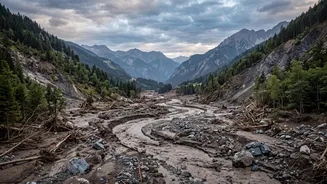
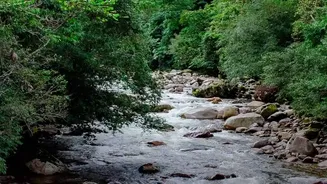
On the night of June 15, 2021, the Melamchi river, a lifeline for many in Nepal's Sindhupalchowk district, transformed into a monster. It wasn’t a typical monsoon flood. The sky above the bustling Melamchi Bazaar was relatively clear, yet a sudden, violent
surge of black, sludge-filled water tore through the town. Eyewitnesses described a thunderous roar as the river, swollen with mud, boulders, and trees, destroyed everything in its path. Bridges, buildings, and the headworks of a major drinking water project were buried or swept away. Local authorities, sensing a blockage upstream, had issued a warning, but the sheer speed and volume of the debris-laden flow were catastrophic, leaving communities devastated and searching for answers.
The Real Cause: A Cascade of Events
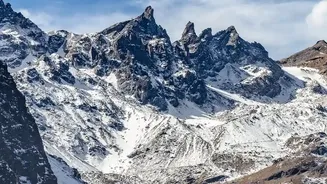
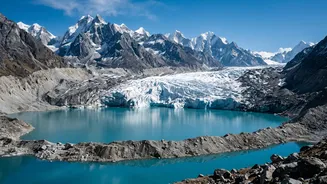
Initial thoughts pointed to a simple landslide or a glacial lake outburst flood (GLOF), a known hazard where a natural dam containing a glacial lake fails. However, scientific analysis painted a more complex picture. Researchers using satellite imagery and digital models determined the disaster was a cascading event that began high in the mountains. The sequence didn't start with a lake bursting, but with a massive landslide of rock, ice, and sediment from the slopes above the river. Unusually heavy monsoon rain, combined with rapid snowmelt, had destabilised the already fragile terrain, which had been weakened by the 2015 Gorkha earthquake.
How the Debris Flow Formed
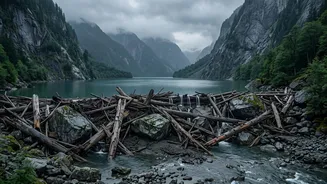
The initial landslide was only the first step in a devastating chain reaction. Tonnes of loose material plunged into the Melamchi River, temporarily blocking its flow and creating a natural, unstable dam. As river water backed up behind this blockage, the pressure mounted. When the dam inevitably failed, it released a torrent far more destructive than water alone. The flood was a thick slurry of water, mud, sand, and boulders, some the size of cars. This debris flow had immense erosive power, scouring the riverbed and banks, picking up more material as it thundered downstream, and amplifying its destructive force with every kilometre travelled.
A Fingerprint of Climate Change
While geology and rainfall were direct triggers, the fingerprints of climate change are all over such events. The Himalayas, often called the “Third Pole,” are warming faster than the global average. This accelerated warming leads to more rapid and unpredictable glacier and snow melt. It also thaws permafrost—the frozen ground that acts like glue, holding steep mountain slopes together. As this glue weakens, the risk of massive landslides increases. The 2021 Melamchi disaster is considered a textbook example of how multiple factors, intensified by a changing climate, can converge to create a catastrophe.
A Warning for the Entire Himalayan Region
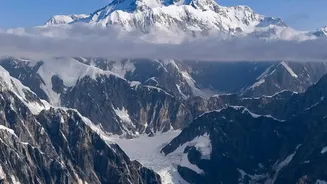
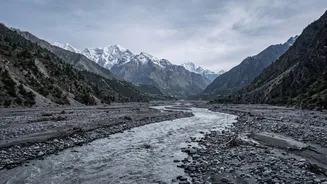
The Melamchi flood serves as a grave warning for the entire Hindu Kush Himalaya region, which spans across Nepal, India, Bhutan, and Pakistan. Millions of people live in valleys downstream from thousands of glaciers and glacial lakes, many of which are unstable. The same conditions that led to the Nepal disaster—steep terrain, seismic activity, and accelerating climate change—are present throughout the Indian Himalayas, particularly in states like Uttarakhand, Himachal Pradesh, and Sikkim. These events highlight an urgent need for more advanced monitoring of high-altitude hazards and the development of robust early warning systems to protect vulnerable downstream communities from similar tragedies in the future.