


Chembra Peak: The Iconic Heart-Shaped Quest
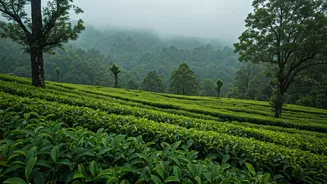
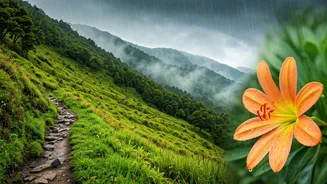
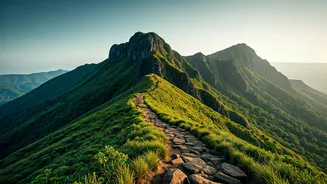
No trek in Wayanad is more famous than Chembra Peak, the district's highest point at 2,100 metres. [7, 12] The trail takes you through lush tea plantations before opening up into rolling grasslands. [12] The main attraction is the stunning heart-shaped
lake, Hridaya Thadakam, a natural wonder that makes for a perfect rest stop. [7, 20] The trek is considered easy to moderate, taking about four to five hours for a round trip to the lake. [13, 23] Note that due to wildlife activity, access to the final summit is often restricted, but the trek to the lake remains open and is highly rewarding. [12] Permits are mandatory and can be obtained from the Forest Department office in Meppadi; it's wise to arrive early as only a limited number of trekkers are allowed each day. [3, 15]
Banasura Hills: Overlooking India's Largest Earthen Dam
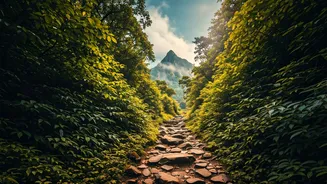
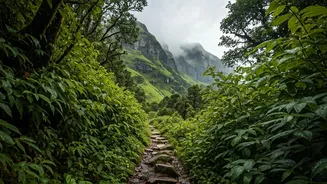
For a more challenging adventure, the Banasura Hills trek offers solitude and spectacular panoramic views. [6, 8] As the second-highest peak in Wayanad, this trail winds through dense shola forests, rocky terrain, and vast grasslands. [10, 22] The reward for this moderately difficult trek is the stunning sight of the Banasura Sagar Dam—the largest earthen dam in India—and its sprawling reservoir below. [8, 11] The trek is about 8-10 km round trip and can take 5-6 hours. [6] It's a fantastic option for experienced hikers seeking a blend of natural beauty and a solid physical challenge. [8] Prior permission from the forest department is required to undertake this trek. [10]
Pakshipathalam: The Secluded Birdwatcher's Paradise
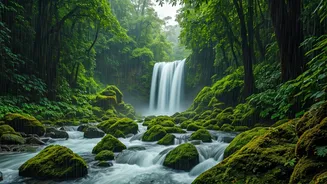
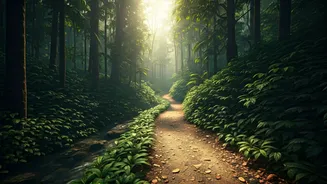
True to the promise of isolation, Pakshipathalam offers a rugged experience for the dedicated adventurer and ornithologist. Located deep within the Brahmagiri Hills, the name translates to "abode of birds." [17, 27] The trail leads you through dense forests and ancient, rocky caves that are home to numerous bird species, including the rare Edible-Nest Swiftlet. [17, 22] This is a longer, more strenuous trek of about 16 km, taking up to 8 hours for a round trip. [23, 28] The journey requires navigating streams and rocky paths, often with a mandatory guide. [17, 21] You must obtain permission from the Forest Department at Tholpetty or Mananthavady to enter this pristine wilderness. [9, 29]
Lesser-Known Trails: Cheengeri and Neelimala
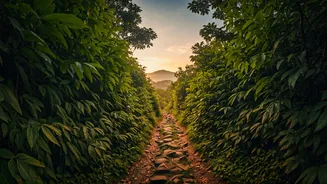
For those truly wishing to get off the beaten path, Wayanad has other hidden gems. The Cheengeri Hills trek near Ambalavayal is a newer route known for its unique rock formations and rewarding 360-degree views from the summit. [5] It offers a moderate challenge perfect for a half-day adventure. Another excellent choice is the Neelimala viewpoint trek, which guides you through fragrant coffee plantations and into thick forests, culminating in a spectacular view of the Meenmutty Falls. [16, 23] These treks are less crowded, offering the peace and isolation many backpackers seek.
Your Backpacking and Planning Guide
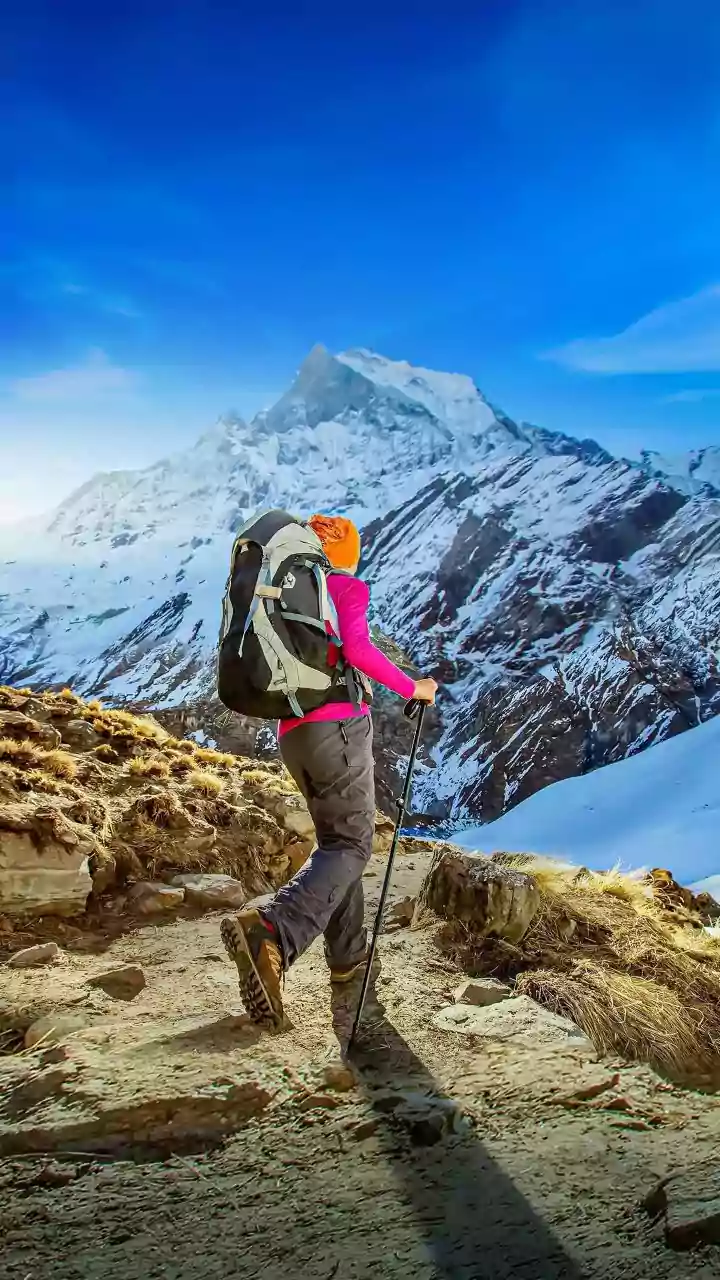
The best time for trekking in Wayanad is from September to February, when the weather is cool and pleasant, and the skies are clear. [2, 18, 19] Wayanad is well-connected by road to major cities like Bangalore, Mysore, and Kozhikode, which is the nearest railway station. [26, 33] For accommodation, backpackers have a wealth of budget-friendly options, including popular hostel chains like Zostel and The Hosteller, as well as numerous local homestays that offer an authentic experience. [26, 30] When packing, essentials include sturdy trekking shoes, a lightweight raincoat, a hydration pack, and insect repellent. [22] Always start treks early to avoid midday heat and afternoon mist. [22]
Trekking with Respect: A Note on Sustainability
The Western Ghats are a UNESCO World Heritage site, and their fragile ecosystem requires mindful exploration. [11] Always follow the "Leave No Trace" principles: carry back all your waste, stick to marked trails, and do not disturb wildlife. [35, 36] Hiring local guides is highly recommended, especially for lesser-known trails; it not only ensures your safety but also supports the local community. [24, 36] Avoid using plastics and respect local customs to ensure that Wayanad's natural beauty remains pristine for generations of adventurers to come. [31, 36] The local government has active Responsible Tourism initiatives to help preserve the region's natural and cultural heritage. [37]