







The Engine of Indian Agriculture
The monsoon, which delivers about 70% of India's annual rainfall, is critical for the country's agriculture sector. Around half of the nation's farmland is rain-fed, meaning it lacks access to other forms of irrigation and is completely dependent on the seasonal
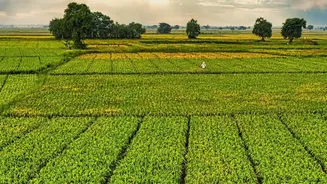
rains. This is especially true for the Kharif or summer cropping season, which sees the cultivation of essential staples like rice, pulses, oilseeds, and cotton. A strong, well-distributed monsoon ensures healthy crop growth, boosting farm incomes and strengthening the rural economy.
Less Rain Means Slower Sowing
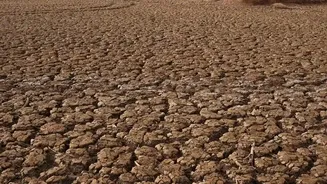
A delayed or deficient monsoon immediately disrupts the agricultural calendar. Farmers hesitate to sow seeds if the soil lacks sufficient moisture, leading to a lag in planting activity. Recent reports from this year's season have highlighted this exact issue, with sowing for key crops like rice, pulses, and oilseeds falling behind last year's pace due to an uneven start to the monsoon. For instance, some areas have seen the planting of pulses like tur (arhar) drop significantly as farmers become wary of risking long-duration crops amid rainfall uncertainty. This initial delay can shrink the total area under cultivation, setting the stage for a smaller harvest.
The Simple Economics of Supply and Demand
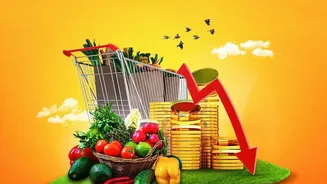
When weak rains lead to lower crop production, the fundamental economic principle of supply and demand kicks in. A reduced harvest means a smaller supply of food items available in the market. However, the demand from India's vast population remains constant. With less produce to go around, competition among buyers increases, and sellers can command higher prices. This is the primary reason food inflation often follows a poor monsoon. The effect is most visible in prices of vegetables and pulses, which are highly sensitive to supply disruptions and have a significant weight in the consumer food price index.
The Ripple Effect on Rural Incomes
The impact isn't just on urban consumers. Lower crop yields directly translate to reduced incomes for millions of farmers and agricultural labourers who depend on farming for their livelihood. This decline in rural purchasing power has a cascading effect on the broader economy. When farmers earn less, they spend less on goods like tractors, two-wheelers, and other consumer products, which can dampen overall economic activity. A stressed rural economy further strains the national economic growth outlook.
Beyond the Current Harvest
A weak monsoon's impact extends beyond the immediate Kharif season. The rains are crucial for replenishing water levels in India's major reservoirs. These reservoirs provide water for drinking, industrial use, and importantly, for the irrigation of the subsequent Rabi (winter) crops like wheat. If reservoirs are not adequately filled, it jeopardises the winter harvest as well, creating the potential for a prolonged period of food price instability. Furthermore, healthy reservoir levels are essential for hydropower generation, and a shortfall can lead to higher energy costs.
Hoarding and Government Intervention
The expectation of a poor harvest can itself drive up prices. Fearing future shortages, some traders may begin hoarding essential commodities to sell them at a higher profit later, a practice that creates artificial scarcity. To counter this and manage inflation, the government has several tools at its disposal. It can release food grains like rice and wheat from its buffer stocks to improve market supply, place limits on how much stock traders can hold, and restrict exports of certain commodities to ensure domestic availability. The Reserve Bank of India also closely monitors the monsoon's performance, as food prices significantly influence the country's overall inflation rate and its decisions on interest rates.