





The Undisputed Champion: Iced Coffee
For years, iced coffee has been more than just a drink; it's a cultural staple in bustling cities. It’s the ultimate grab-and-go accessory, a symbol of productivity and the unofficial fuel of the modern professional. The ritual of the morning coffee run
or the afternoon pick-me-up is deeply ingrained in city life, serving as both a personal moment of revival and a social lubricant. From corner cafes to global chains, the clatter of ice cubes hitting a cup is the soundtrack to urban ambition. Its appeal is simple: it’s fast, effective, and familiar. The strong, often bitter taste and the immediate caffeine hit are precisely what many people crave to power through a demanding day. It has become a year-round phenomenon, with city dwellers clutching their cold brews even in the dead of winter.
The Green Contender: What Is Artisanal Matcha?
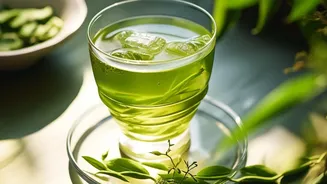
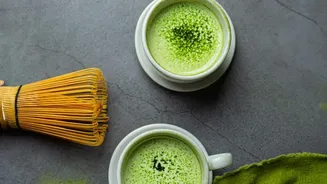
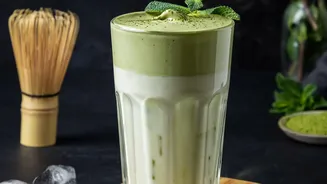
Enter the matcha latte, a beverage with a history stretching back centuries in Japanese tea ceremonies that has now become a mainstream wellness choice. Matcha is a finely ground powder of specially grown and processed green tea leaves. Unlike regular green tea where you steep and discard the leaves, with matcha you consume the entire leaf, receiving a more potent concentration of nutrients. The term 'artisanal' refers to the focus on quality and preparation. This means using high-grade matcha—often 'ceremonial grade' for its smooth, less bitter taste—and preparing it with intention, traditionally by whisking the powder into a paste before adding steamed or cold milk. This careful process contrasts sharply with the often automated, high-speed production of a typical iced coffee.
The Energy Debate: Jitters vs. Calm Alertness
Here lies the core of the challenge. A standard cup of coffee typically contains more caffeine than a matcha latte, delivering a fast and powerful energy spike. For many, however, that spike is followed by an undesirable crash and sometimes, anxiety or jitters. Matcha offers a different experience. While it does contain caffeine, it also has a high concentration of an amino acid called L-theanine. This unique compound works in synergy with the caffeine to promote a state of 'calm alertness'. Instead of a jarring jolt, matcha drinkers often report a smoother, more sustained energy lift that can last four to six hours, without the crash. This makes it appealing to those seeking focus and productivity without the nervous edge that coffee can sometimes induce.
A Shift in Wellness and Aesthetics
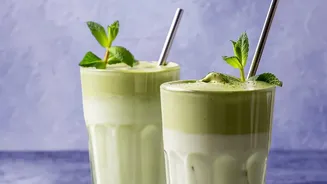
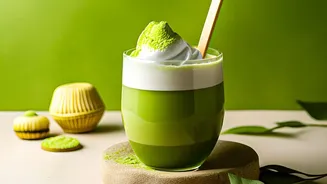
The rise of matcha is deeply connected to the growing global wellness movement. With a higher antioxidant content than coffee, and compounds believed to support metabolism, matcha is often positioned as the healthier choice. This aligns with a consumer shift, especially among younger generations, toward beverages that offer functional benefits beyond just caffeine. Furthermore, in an age of social media, aesthetics matter. The vibrant, photogenic green of a matcha latte has made it an Instagram star, a visual signal of a mindful, health-conscious lifestyle. While iced coffee represents speed and utility, the preparation and consumption of an artisanal matcha latte often imply a moment of pause and intentionality, a small ritual in a fast-paced world.
Is the Throne Truly Threatened?
Despite matcha's impressive growth, especially in metropolitan hubs like Mumbai, Delhi, and Bangalore, it's unlikely to dethrone iced coffee completely. The market for matcha in India is projected to grow significantly, indicating a lasting trend rather than a fleeting fad. However, iced coffee remains the more accessible and affordable option for many. Artisanal matcha, particularly ceremonial grade, comes at a premium price. Instead of a replacement, matcha is establishing itself as a powerful alternative. Cafes are increasingly offering both, catering to different needs and moods. You might grab an iced coffee when you need a powerful, immediate boost, but turn to a matcha latte when you desire sustained focus for a creative project or a calmer start to your day. The choice itself reflects a new, more nuanced approach to our daily energy rituals.