




The Shifting Landscape of Indian Travel
For decades, planning an international trip from India involved a significant amount of paperwork and waiting. The visa application process often dictated the destination. Today, that narrative is changing rapidly. As the Indian passport gains strength,
a growing number of nations are recognizing the immense potential of the Indian outbound tourism market, projected to reach nearly $69 billion by 2036. To attract this growing wave of travellers, countries are simplifying entry requirements. Visa-free access, visa-on-arrival, and streamlined Electronic Travel Authorizations (ETAs) are becoming key tools in tourism promotion, removing significant hurdles for millions of Indians eager to explore the globe. This has led to a surge in demand for destinations that are not only beautiful and culturally rich but also easy to access.
Malaysia: A Tropical Welcome
Malaysia has emerged as a top choice for Indian tourists, thanks to its visa-free entry policy for stays of up to 30 days. This waiver, extended until the end of 2026, has made the country more accessible than ever. The process is straightforward: travellers must simply complete the Malaysia Digital Arrival Card (MDAC) online within three days of their arrival. The appeal is easy to understand. Malaysia offers a compelling mix of futuristic cities like Kuala Lumpur, the colonial charm of Penang's UNESCO-listed Georgetown, and stunning natural landscapes, from lush rainforests to pristine beaches. Excellent flight connectivity from over a dozen Indian cities and its budget-friendly nature further enhance its attractiveness.
Kenya: Safari Adventures Made Simple
For those dreaming of an African safari, Kenya has made the journey significantly easier. Since early 2024, the country has replaced its visa system with a mandatory Electronic Travel Authorisation (eTA) for all visitors, including Indians. While not completely visa-free, the online eTA process is quick, typically taking a few days for approval, and removes the need for traditional visa applications. This simplified entry has unlocked one of the world's most iconic wildlife destinations. Indian travellers are flocking to experience the magic of the Maasai Mara, witness the Great Migration, and explore Kenya's diverse national parks. The move has positioned Kenya as a major gateway to East Africa for the Indian market.
Sri Lanka: The Convenient Island Getaway
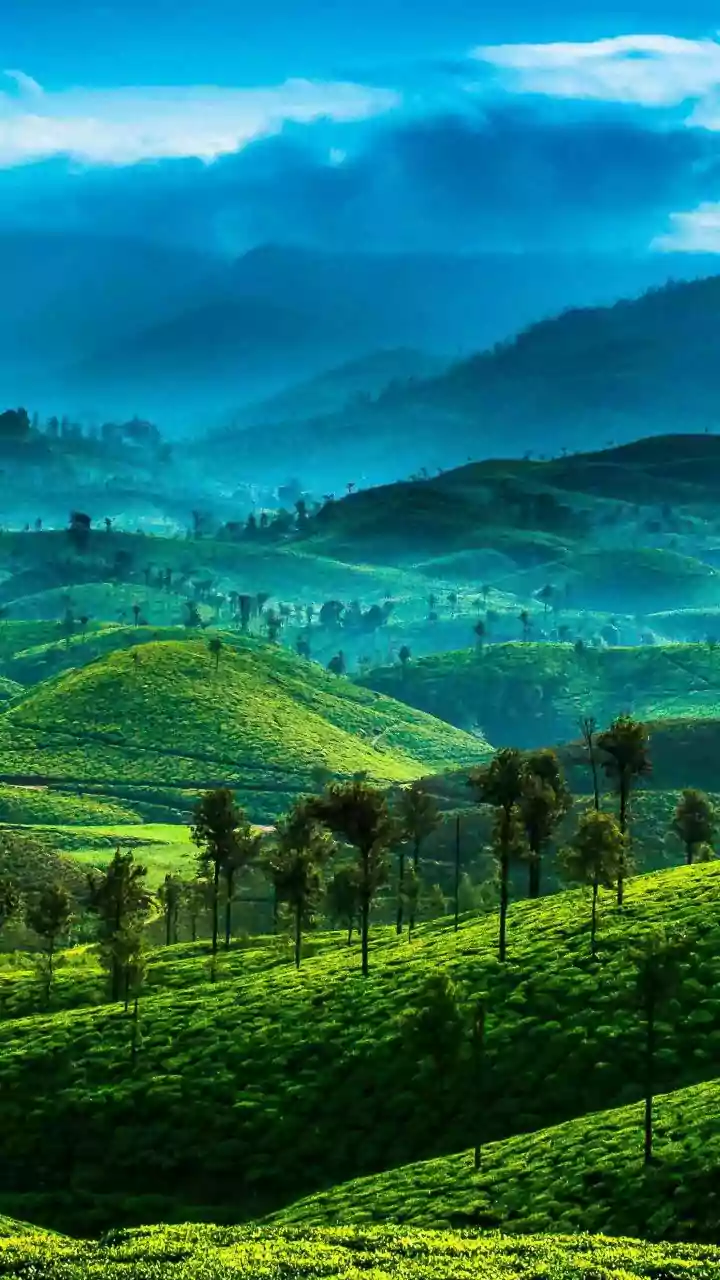
Just a short flight away, Sri Lanka has long been a favourite, and its visa policy makes it even more appealing. The island nation offers a free 30-day tourist visa (ETA) for Indian citizens, a policy confirmed in early 2026. Travellers are required to apply for the Electronic Travel Authorisation (ETA) online before their journey, but the process is free and straightforward. This easy access has cemented India's position as Sri Lanka's largest tourism market. Visitors are drawn to its stunning beaches, ancient ruins like Sigiriya, lush tea plantations, and rich cultural heritage, all packed into a compact and easily navigable island.
Thailand: An Enduring Favourite
Thailand's appeal for Indian tourists is legendary, and its visa policies have consistently adapted to welcome them. As of mid-2026, Indian passport holders can enjoy visa-free entry for up to 30 days for tourism. This policy streamlines entry, replacing a previous system that also included a visa-on-arrival option. The enduring popularity of Thailand stems from its incredible diversity, offering everything from the bustling street life of Bangkok to the tranquil beaches of Phuket and Krabi. The combination of world-class hospitality, delicious food, and affordability ensures it remains a top-tier destination for first-time and repeat Indian travellers alike.
Beyond the Obvious: New Horizons
The trend extends beyond Asia. Countries like Kazakhstan have introduced 14-day visa-free stays, opening up Central Asia to Indian explorers. In Africa, nations like Mauritius, Seychelles, and Senegal offer generous visa-free periods of up to 90 days. While some policies fluctuate—Iran, for instance, suspended its visa-free scheme in 2026—the overall direction is clear. The Indian traveller is no longer limited by complex visa queues. As more countries compete for this dynamic and growing market, the choice of destinations is becoming wider, more exciting, and more accessible than ever before.