

The Spirit of the Fast
Observing a vrat on Janmashtami is more than just abstaining from food; it's a spiritual practice to enhance focus and devotion. There are several ways to fast, depending on family tradition and personal health. The strictest is the 'Nirjala' vrat, where
both food and water are avoided. A more common approach is the 'Phalahar' vrat, which permits the consumption of fruits, milk products, and specific non-grain foods. Some may also opt for a partial fast, consuming one light, sattvic meal during the day. The goal is to keep the body light and the mind clear for prayers and meditation.
Foods You Can Eat During the Vrat
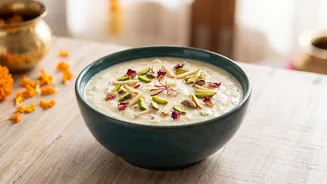
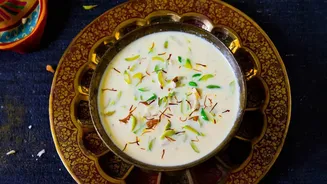
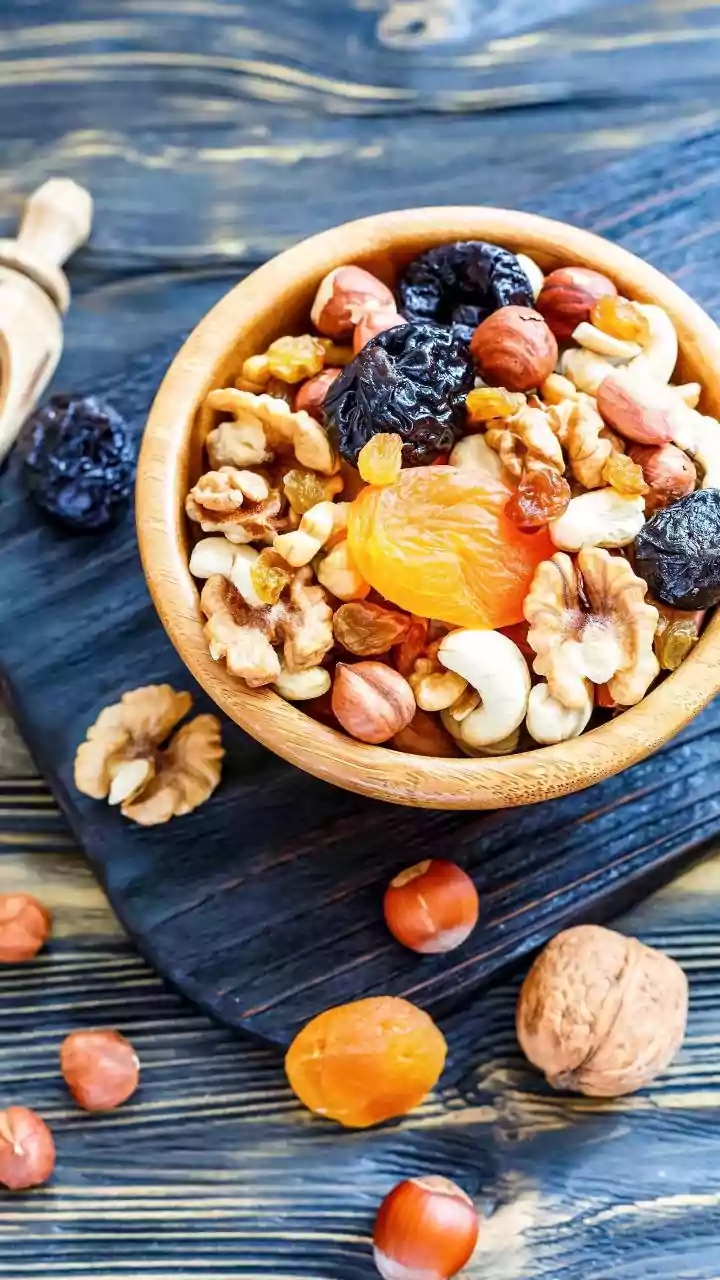
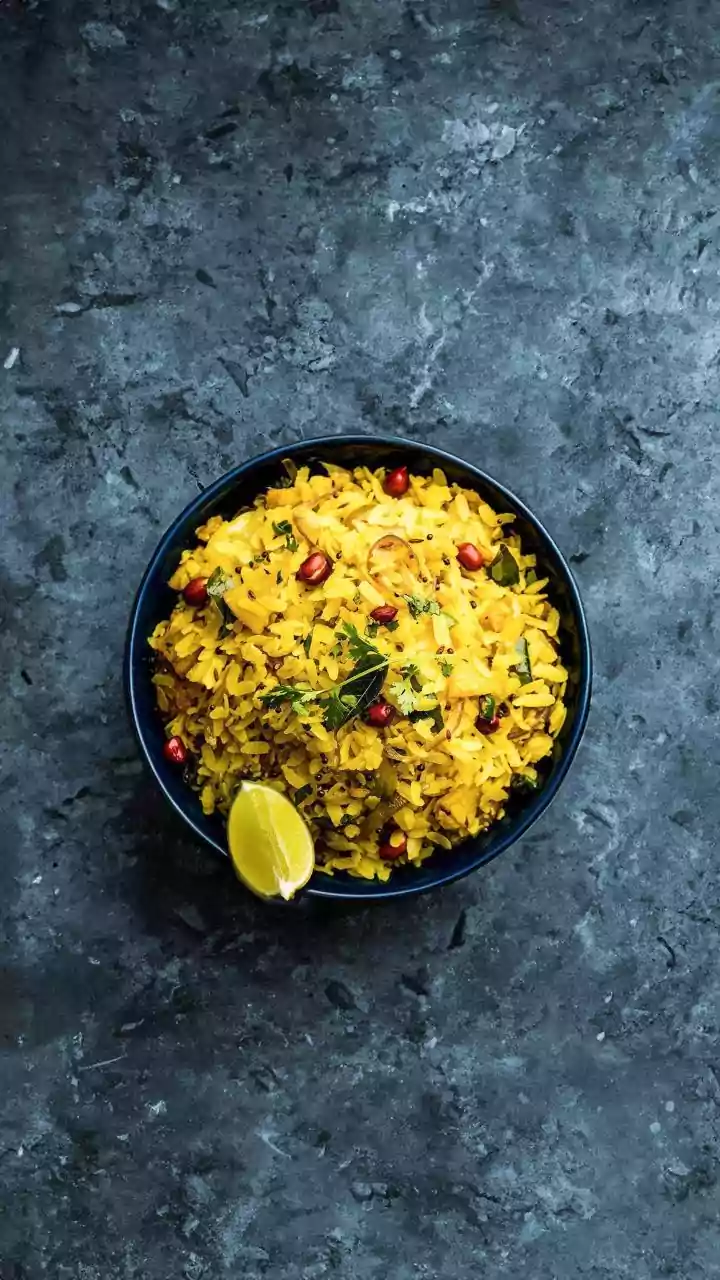
For those observing a Phalahar fast, the list of permitted foods is designed to be nourishing yet simple. Grains are the primary exclusion. Here’s what is generally allowed: Fruits: All seasonal and fresh fruits are a staple. Bananas, apples, papayas, and pomegranates are excellent choices. Dairy Products: Milk, curd (yoghurt), paneer (cottage cheese), buttermilk, and ghee are central to the vrat diet. Vrat Flours and Starches: Grains like wheat and rice are avoided, but certain flours are permitted. These include Kuttu (buckwheat) atta, Singhara (water chestnut) atta, and Rajgira (amaranth) atta. Sabudana (tapioca pearls) and Samak rice (barnyard millet) are also widely used to make dishes like khichdi, kheer, and vadas. Vegetables: A select list of vegetables is allowed, including potatoes, sweet potatoes, pumpkin, raw banana, and tomatoes. Nuts and Dry Fruits: Almonds, walnuts, cashews, and raisins provide a good source of energy throughout the day. Makhana (fox nuts), when roasted in ghee, is a popular and light snack. Spices and Seasoning: Regular table salt is replaced with Sendha Namak (rock salt). Spices like cumin, black pepper, and coriander powder can be used in moderation.
What to Strictly Avoid
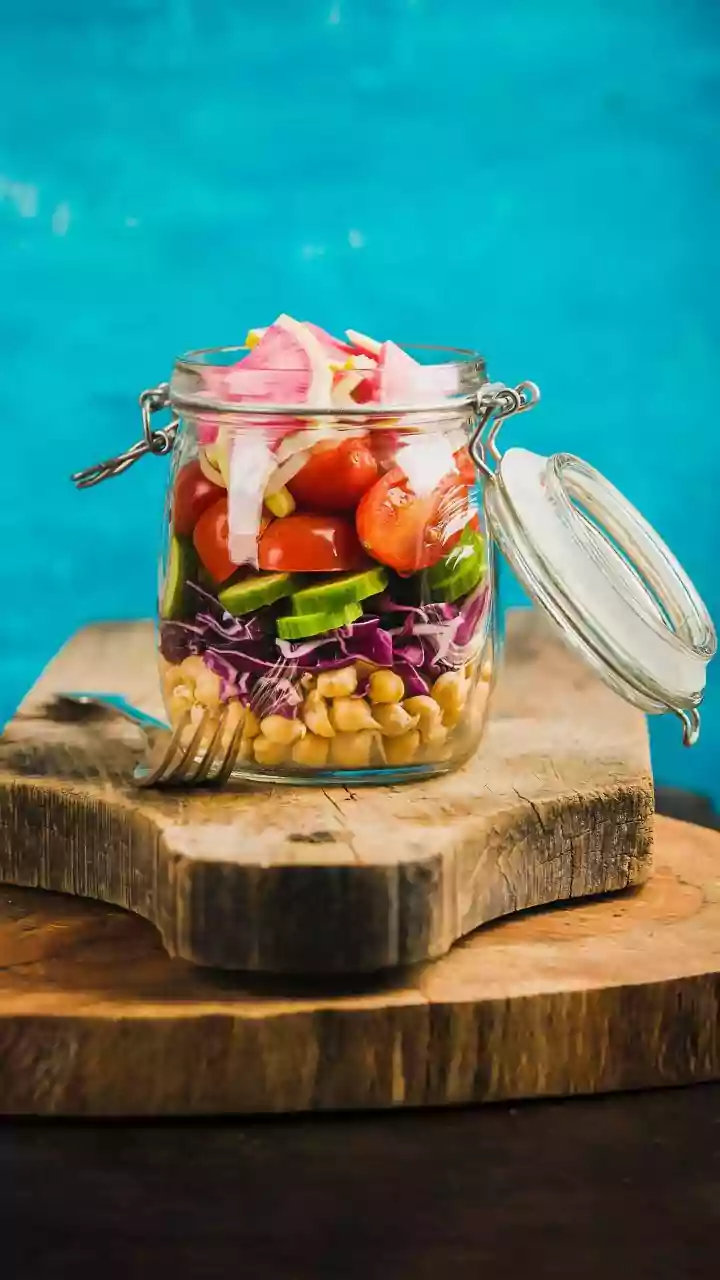
To maintain the sanctity of the fast, a number of food items are strictly forbidden. The primary rule is to avoid all grains and lentils. This includes: Grains and Cereals: Wheat, rice, regular flour, oats, and all types of millets (except Samak) are not consumed. Pulses and Lentils: All dals, beans, and chickpeas are to be avoided. Onion and Garlic: These are considered tamasic (foods that can cause mental dullness or agitation) and are excluded from all sattvic and fasting diets. Common Salt: Regular iodized table salt is not used; only Sendha Namak is permissible. Other Prohibited Items: Non-vegetarian food, eggs, alcohol, and tobacco products are strictly forbidden. Some traditions also avoid certain vegetables like carrots and beetroot. Packaged and processed foods should be avoided unless you can verify all ingredients are vrat-compliant.
Tips for a Healthy Fast
Fasting should be a rejuvenating experience, not a draining one. Hydration is key, especially if you are not on a Nirjala vrat; drink plenty of water, coconut water, or fresh fruit juices (without added sugar). Instead of consuming large meals, eat small portions of fruit or nuts every few hours to maintain energy levels and prevent acidity. Opt for baking, roasting, or light cooking methods over deep-frying. For instance, a simple Sabudana khichdi is a healthier choice than fried sabudana vadas. Most importantly, listen to your body. If you feel unwell or dizzy, it is better to consume something light than to push yourself to the point of exhaustion.
Breaking the Fast (Parana)
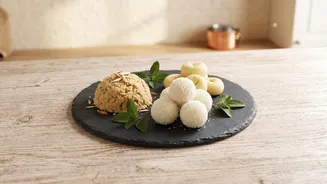
The fast is traditionally broken after the midnight puja (Nishita Kaal), which marks the birth of Lord Krishna. Many devotees break the fast by consuming the 'prasad' offered to the deity, which often includes Panjiri, fruits, and milk-based sweets. However, according to scripture, the formal Parana should be done the next morning after sunrise. When breaking the fast, it is advisable to start with light and easily digestible foods like fruits or a glass of milk before moving on to a full meal, giving your digestive system time to adjust.