



The Customer Is Always Right (And Rarely Carries Cash)
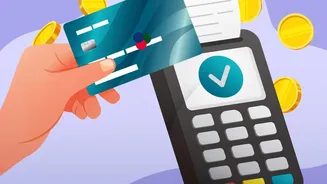
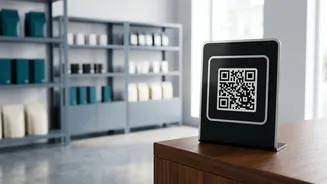
The single biggest driver of this change is you, the customer. Consumer preference has tilted decisively toward frictionless transactions. Shoppers now expect to tap a card or phone for everything, and not offering that convenience can be a dealbreaker.
Research shows a significant percentage of consumers prefer cards or digital wallets over cash, and that number is growing. For a small shop, failing to meet this expectation isn't just an inconvenience; it's a competitive disadvantage that could send a potential buyer to a competitor down the street or online. The pandemic accelerated this shift, but the underlying demand for speed, security, and convenience was already there.
More Than Just a Transaction
For a modern small business owner, a payment is no longer just a payment; it’s a data point. Integrated digital payment systems do much more than just move money. They act as the central nervous system for the entire operation. These platforms can automatically track sales data, monitor inventory levels, simplify bookkeeping, and provide valuable insights into customer behavior. This automation saves countless hours on manual tasks like reconciling cash drawers and updating sales logs, freeing up staff to focus on customer service. By connecting payments to accounting and customer management software, owners get a real-time view of their business's financial health, helping them make smarter, data-driven decisions.
The Hidden Costs of Handling Cash
While digital payments come with fees, cash is far from free. Many business owners are realizing the significant hidden costs associated with physical money. These include bank fees for depositing cash, the cost of armored transport for larger sums, and the employee hours spent counting bills and coins at the beginning and end of each day. Cash also introduces a higher risk of theft, from both internal and external sources, and the potential for human error in making change. Some studies have shown that digital transactions are simply faster, allowing high-volume businesses to serve more customers per hour, which can lead to increased revenue. When all these factors are considered, the operational drag of cash becomes much more apparent.
The Price of Going Digital
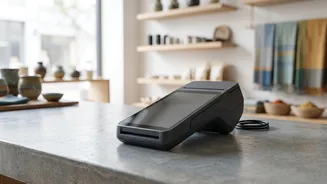
The switch isn't without its own set of challenges and costs. The most prominent are transaction fees, which typically range from 1.5% to 3.5% of each sale and are paid to credit card companies and payment processors. For businesses with thin profit margins, these fees can add up to a significant operational expense. To offset this, some businesses have started adding credit card surcharges, a move that can risk frustrating customers. Beyond fees, there can be initial costs for hardware like card readers or point-of-sale (POS) systems, as well as monthly software fees. For many owners, the decision becomes a careful calculation: whether the benefits of increased sales, efficiency, and security outweigh these direct financial costs.
Survival in a Digital-First World
Ultimately, the shift to digital payments is a matter of survival and relevance. Small shops are no longer just competing with the business next door; they're competing with global e-commerce giants and big-box stores that have perfected seamless, one-click checkouts. Adopting modern payment methods allows Main Street businesses to offer a comparable level of convenience and professionalism. It enables them to expand into new channels, like selling online and picking up in-store, creating a unified experience for the modern consumer. While the transition can be complex, especially for the least digitally savvy owners, it is a crucial step in future-proofing a business and ensuring it can meet the demands of a rapidly evolving economy.