



Millets Instead of Refined Wheat
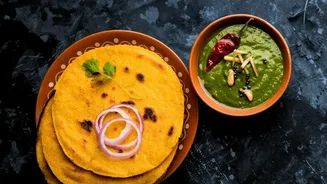
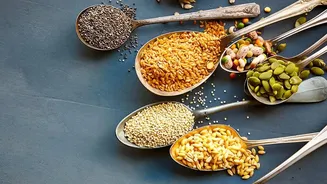
For generations, wheat has been the undisputed king of Indian breads. But today, ancient grains are making a powerful comeback. Millets like jowar, bajra, and ragi are increasingly replacing refined wheat flour (maida) and even whole wheat atta in many
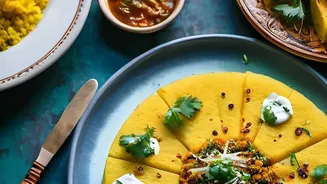
homes. These grains are naturally gluten-free, have a lower glycemic index, and are packed with fibre and essential minerals like iron and calcium. The transition is easier than you think. Start by blending millet flour with your regular atta for rotis and gradually increase the ratio. This simple swap aids in better blood sugar management and provides sustained energy.
Quinoa Instead of White Rice
White rice is a staple in countless Indian meals, but its high carbohydrate content and lower nutrient profile have led many to seek alternatives. Enter quinoa, a versatile seed that has found a firm place in the health-conscious pantry. A cup of cooked quinoa offers twice the protein and significantly more fibre than the same amount of white rice. It's a complete protein, meaning it contains all nine essential amino acids, making it an excellent choice for vegetarians and vegans. Its fluffy texture works beautifully in pulaos, biryanis, and even as a substitute for rice in curd rice.
Sweet Potatoes Instead of Potatoes
The humble aloo is a beloved part of Indian cuisine, but its starchy nature has put it in the crosshairs of the health-aware. Sweet potatoes (shakarkandi) have emerged as a worthy and delicious replacement. While both are nutritious, sweet potatoes have a lower glycemic index, which helps prevent sharp spikes in blood sugar. They are also incredibly rich in Vitamin A, an essential nutrient for vision and immune health. Whether roasted, mashed, or added to curries, sweet potatoes offer a slightly sweet, earthy flavour and a major nutritional upgrade.
Jaggery Instead of Refined Sugar
The war on white sugar is real, and jaggery (gur) is leading the charge as the traditional, healthier sweetener of choice. Unlike refined sugar, which is stripped of all nutrients, jaggery is unrefined and retains minerals like iron, potassium, and magnesium. Because it's a more complex sugar, it's absorbed more slowly by the body, avoiding the rapid sugar rush associated with its refined counterpart. While it is still a form of sugar and should be used in moderation, swapping it into your daily chai, sweets, and desserts is a step towards a more wholesome diet.
Greek Yogurt Instead of Regular Curd
Curd, or dahi, is a non-negotiable part of the Indian diet. However, its NRI cousin, Greek yogurt, is gaining popularity for one main reason: protein. Through a straining process that removes excess whey, Greek yogurt becomes thicker, creamier, and boasts nearly double the protein content of regular curd. This makes it incredibly filling and excellent for muscle repair and satiety. While homemade curd is a fantastic source of probiotics, those looking to increase their protein intake are finding Greek yogurt to be an effective and tasty swap.
Cauliflower Rice Instead of Grains
For those on low-carb or calorie-conscious diets, cauliflower rice has been a game-changer. By simply grating cauliflower into rice-sized bits, you get a substitute that is incredibly low in calories and carbohydrates compared to traditional rice. It's an excellent way to increase your vegetable intake and is rich in fiber, which aids digestion and promotes a feeling of fullness. It is particularly beneficial for maintaining stable blood sugar levels. Use it as a base for curries, in stir-fries, or to make a light upma.
Cold-Pressed Oils Instead of Refined Oils
The type of oil used in cooking has a significant impact on health. Many are moving away from heavily processed refined vegetable oils towards traditional, cold-pressed oils like mustard, coconut, or groundnut oil. The cold-pressing method involves extracting oil without high heat or chemicals, which helps retain natural nutrients, antioxidants, and flavour. Refined oils, on the other hand, are often stripped of these beneficial compounds during processing. This switch supports heart health and boosts immunity.
Makhana Instead of Fried Snacks
When evening hunger pangs strike, it's easy to reach for a bag of chips or fried namkeen. A much healthier and equally satisfying alternative is makhana, or fox nuts. These puffed lotus seeds are low in calories, fat, and sodium but rich in protein and fiber. Roasting them with a sprinkle of salt and spices turns them into a crunchy, guilt-free snack. Their high nutrient density helps keep you full and provides a steady release of energy, making them an ideal choice for weight management and overall health.
Himalayan Pink Salt Instead of Table Salt
This swap is more subtle but gaining traction. Many are replacing regular iodized table salt with Himalayan pink salt. Mined from ancient sea beds, this pink-hued salt is less processed and is believed to contain more trace minerals. Some find that its flavour is saltier, allowing them to use less of it and thereby reduce their overall sodium intake. While both are predominantly sodium chloride and should be consumed in moderation, the natural sourcing of pink salt appeals to those seeking less processed ingredients in their food.
Nut Milks Instead of Dairy Milk
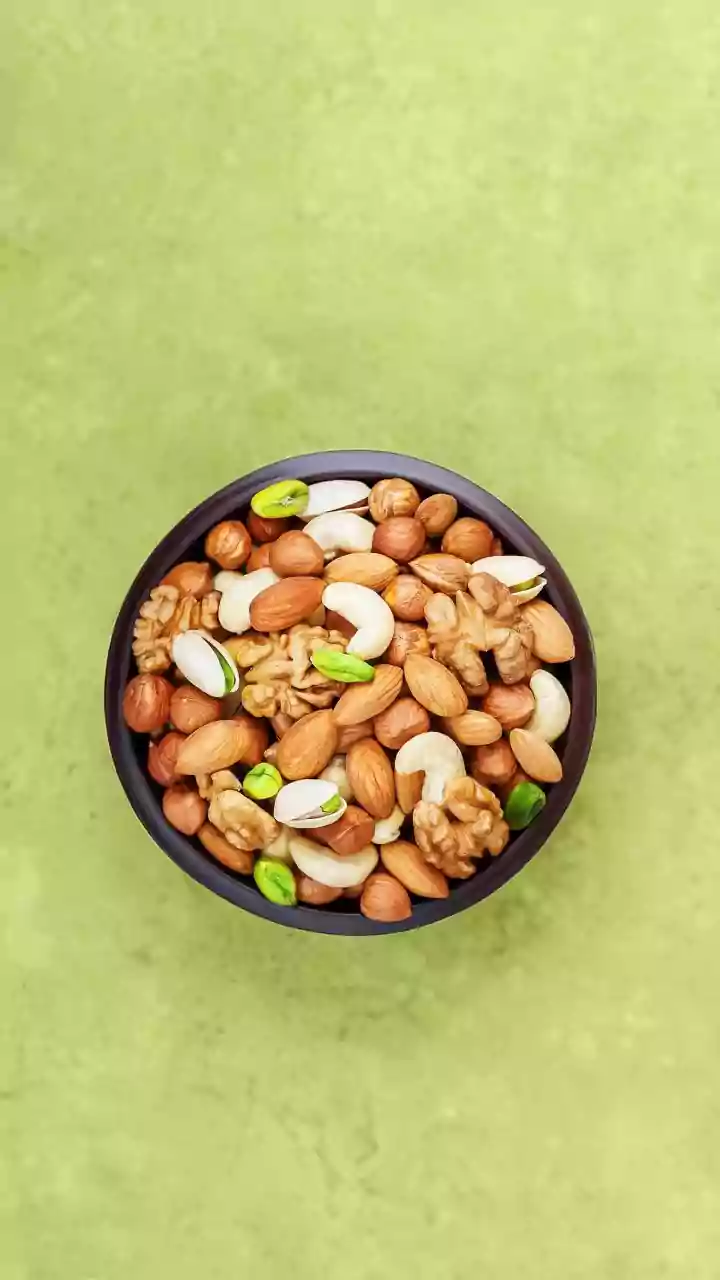
For those who are lactose intolerant, vegan, or simply looking to reduce their dairy consumption, nut milks like almond and oat milk have become a popular alternative. These plant-based milks are often lower in calories than cow's milk and are free from cholesterol. While they may not offer the same protein profile as dairy milk, many are fortified with calcium and vitamins. They are now widely used in everything from morning coffee and tea to smoothies and even in some dessert preparations, offering a creamy texture without the dairy.