




Beyond the Mainstream Menu
Every city has a culinary heartbeat that pounds strongest not in its famous restaurants, but in its neighbourhoods, communities, and family kitchens. These are 'micro-cuisines'—highly specific culinary traditions that belong to a particular sub-region
or community. Think of the subtle shift in a curry recipe as you move away from a coastline, or a bread unique to a single village. These are the dishes that tell the real story of a place, shaped by history, migration, and the ingredients available locally. For years, these foodways have existed on the periphery, often overshadowed by a nation's more famous 'greatest hits' cuisine. For a traveller, finding them can feel like searching for a secret, a delicious slice of authenticity hidden in plain sight.
The Rise of the Culinary Storyteller
This is where local culinary excursions come in. More than just a tour, these are guided experiences led by people deeply embedded in their local food scene. These guides are not just showing you where to eat; they are storytellers, historians, and cultural ambassadors. They provide context, explaining the significance of a particular dish, the origin of an ingredient, or the history of a family-run eatery that has served the same recipe for generations. By focusing on lesser-known culinary traditions, such as specific indigenous preparations or community-based recipes, these guides open a door to a side of the city that most travellers would never find on their own. This approach transforms a meal into a meaningful cultural exchange.
A Genuine Taste of Place
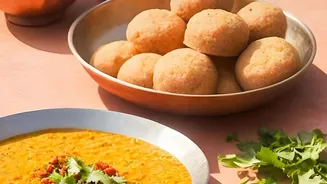
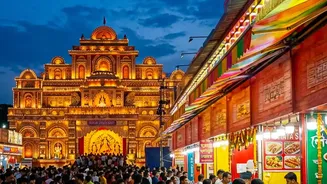
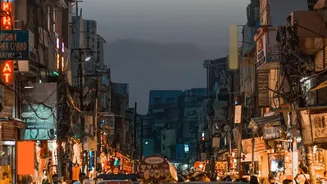
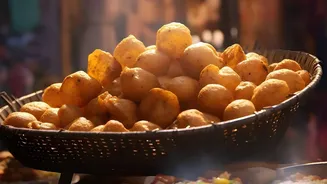
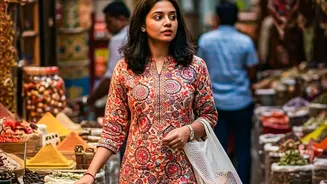
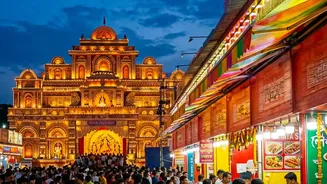
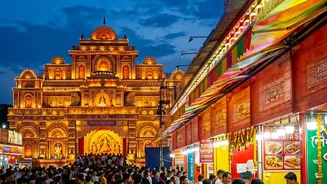
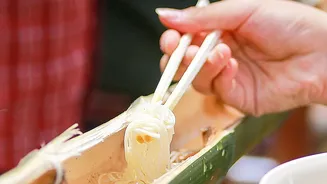
Participating in one of these excursions is a sensory and educational deep-dive. Imagine tasting fiddlehead ferns at a home pop-up featuring dishes from a specific Indian community, a vegetable many guests had never even heard of before. Or discovering the subtle differences between coastal and inland preparations of the same dish. These tours often feature visits to bustling local markets, tiny street-food stalls with long lines of locals, and even meals in private homes. The focus is on authenticity and connection. Travellers get to see where ingredients are sourced, learn traditional cooking methods, and hear the personal stories behind the food they are eating, fostering a genuine appreciation that a restaurant meal rarely can.
More Than Just a Meal
The impact of choosing such an experience extends far beyond the traveller's palate. By seeking out and paying for these micro-culinary experiences, travellers create a powerful economic incentive for their preservation. When a younger generation sees that their ancestral recipes are valued—both culturally and commercially—they are more likely to keep those traditions alive. This form of sustainable tourism directly supports small, family-owned businesses, local farmers, and artisan producers, ensuring that money flows directly into the community. In this way, culinary tourism becomes a tool for cultural preservation, helping to protect unique foodways from being diluted or lost in the face of globalization.
How to Find These Authentic Experiences
Finding these gems requires looking beyond the top-rated lists on major travel sites, which often feature tourist-heavy spots. A great strategy is to book a food tour on the first day of your trip; it provides insider knowledge for the rest of your stay. Look for tours that emphasize 'indigenous,' 'community-based,' or 'hyper-local' experiences. Follow local food bloggers and use local food apps, which often highlight neighbourhood favourites over tourist traps. The key is to seek out guides and companies that are passionate about cultural preservation, not just commercial success. A tour that tells you the story behind the food is one that is likely contributing to its survival.