







The Sneaky Dehydration of Humid Weather
That perpetually damp feeling during the post-monsoon season isn't just uncomfortable; it's a unique challenge to your body's cooling system. Normally, sweat evaporates from your skin, taking heat with it. But when the air is already saturated with moisture,
sweat can't evaporate efficiently. In response, your body may sweat even more to try and cool down, leading to a significant loss of fluids and essential minerals. Complicating matters, your body’s thirst signal can become unreliable in these conditions. You might not feel thirsty, but you could still be on the path to dehydration, feeling fatigued and sluggish without knowing why.
Plain Water: The Undisputed Daily Champion
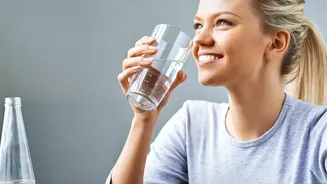
For the vast majority of your daily routine, plain water is the gold standard for hydration. Whether you're at your desk, doing household chores, or engaging in light physical activity for less than an hour, water is precisely what your body needs. Your kidneys are incredibly efficient at managing the body's mineral balance, and a healthy, balanced diet provides most of the electrolytes you need for normal function. Before you worry about supplements, ensuring you're consistently sipping water throughout the day is the most important step you can take. A good rule of thumb is to drink before you feel the first pangs of thirst, as thirst itself is a sign that dehydration has already begun.
So, What Exactly Are Electrolytes?
The term 'electrolytes' gets used a lot, but what are they? In simple terms, they are essential minerals—like sodium, potassium, calcium, and magnesium—that carry an electric charge when dissolved in water. These minerals are vital for your body to function correctly. They help regulate fluid balance, enable nerve signals to fire, allow your muscles to contract and relax, and help maintain the body's proper pH level. You lose them primarily through sweat, which is why they become so important when you're physically active, especially in the heat.
When to Call for Electrolyte Reinforcements
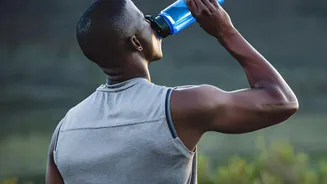
Plain water is great, but there are specific times when it's not enough. You should consider an electrolyte drink in a few key scenarios. The most common is during or after prolonged, intense exercise that lasts for more than an hour. Likewise, if you are working outdoors or performing any activity that causes heavy, continuous sweating, you are losing electrolytes that need to be replaced. Drinking only water in these situations can dilute the sodium in your blood, a potentially harmful condition called hyponatremia, which can cause muscle cramps, headaches, and fatigue. An electrolyte beverage helps replenish both fluids and lost minerals, allowing your body to rehydrate more effectively.
Listen to Your Body's Signals
Your body often tells you what it needs. Persistent thirst even after drinking plenty of water can be a sign that you need electrolytes to help your body absorb the fluid properly. Muscle cramps or spasms are another classic indicator of an electrolyte imbalance, particularly low potassium or magnesium. Other signs can include unusual fatigue, dizziness, or mental confusion. If you've been sweating heavily in the humid weather and start to notice these symptoms, it might be a good time to have a drink that contains electrolytes.
Natural Sources and Smart Choices
You don't always need a brightly coloured commercial sports drink, which can often be loaded with unnecessary sugar and calories. Nature provides excellent sources of electrolytes. Tender coconut water is a fantastic natural option, rich in potassium. A simple glass of nimbu pani with a pinch of salt and a little sugar is a traditional and effective homemade oral rehydration solution. Other great sources include milk, buttermilk (chaas), bananas, oranges, and leafy greens. These natural options are perfect for moderate rehydration needs without the processed ingredients.