



Safety Above All Else
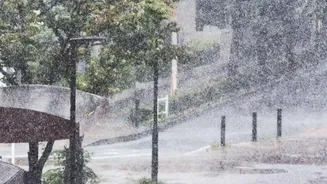
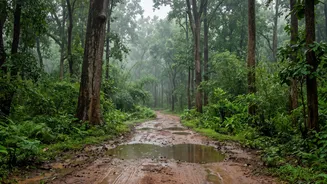
The primary reason for closing national parks during the monsoon is visitor and staff safety. Heavy and persistent rains transform the serene landscapes into treacherous terrains. Dirt tracks and safari trails become muddy, slippery, and often completely
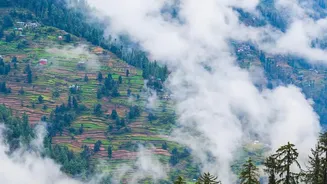
submerged, making them impassable for safari vehicles. The risk of jeeps getting stuck or sliding off-road is extremely high. Moreover, the downpours can trigger landslides, especially in hilly reserves like Jim Corbett National Park, and cause flash floods as rivers and streams swell dangerously. Blocked trails and the general unpredictability of the weather make rescue operations difficult, creating an unacceptable level of risk for tourists and park employees alike.
A Sanctuary for New Life
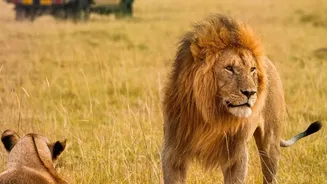
The monsoon is the principal breeding and mating season for a vast number of species, including tigers, leopards, elephants, and many birds. The lush vegetation and abundance of water create the perfect conditions for animals to give birth and raise their young. The presence of safari vehicles and tourists can cause significant stress and disturbance, disrupting these critical natural behaviours. Closing the parks provides a peaceful, undisturbed environment, which is vital for successful breeding and the survival of the next generation of wildlife. This quiet period ensures the long-term health and stability of the animal populations that visitors flock to see during the open season.
Letting Nature Heal
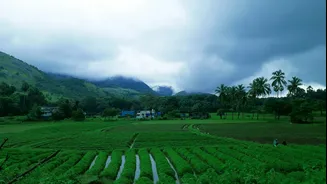
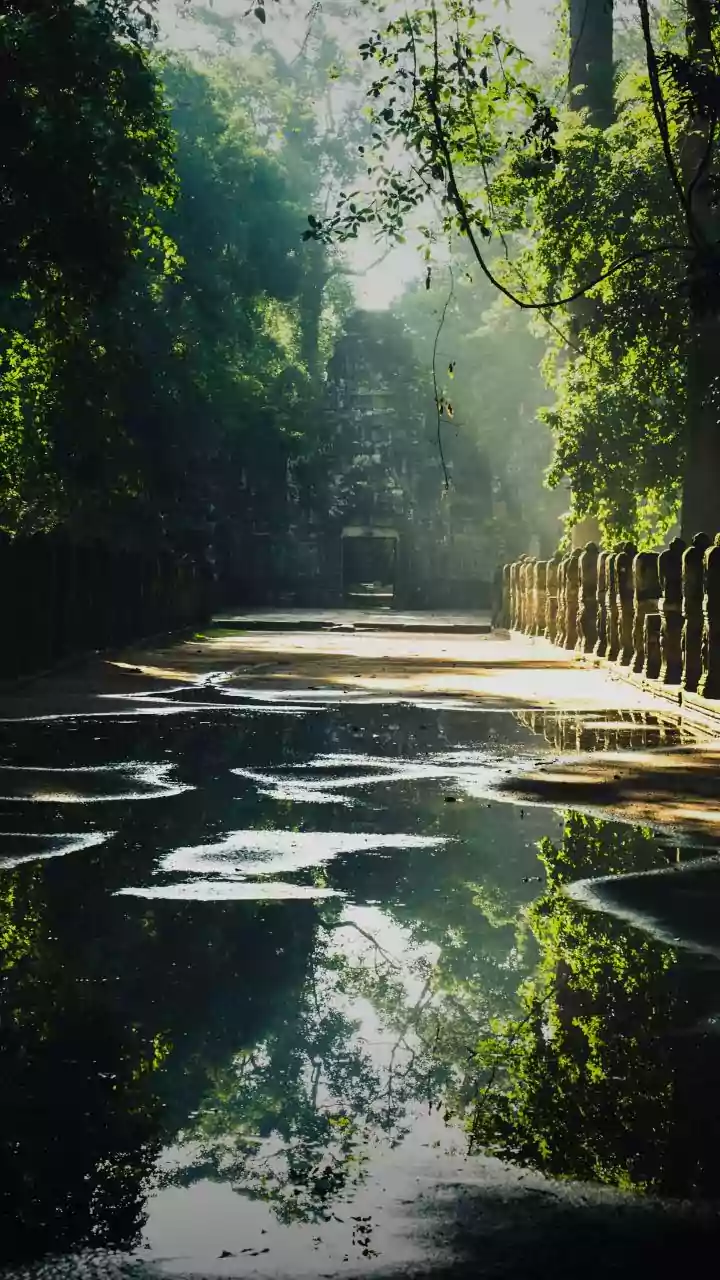
Beyond being a nursery for new life, the monsoon is a period of profound ecological regeneration. The relentless rains replenish depleted water bodies, from small streams to large lakes, which are crucial for the entire ecosystem's survival through the dry months. The downpour nourishes the soil and fuels a burst of plant growth, allowing the forests to heal and rejuvenate. Constant foot traffic and vehicle movement during this time would lead to significant soil erosion on the saturated ground, damaging the delicate new growth and the very integrity of the habitat. The temporary closure allows nature to run its course, ensuring the flora can flourish and the entire ecosystem resets itself.
The Essential Repair Window
The off-season provides a much-needed opportunity for park authorities to conduct essential maintenance and repair work. Months of safari traffic take a toll on the park's infrastructure. During the monsoon closure, staff can repair damaged roads, bridges, and culverts without the pressure of tourist activity. They also work on upgrading park infrastructure, clearing overgrown vegetation from trails, and maintaining watchtowers and administrative buildings. This period of intensive work ensures that when the park reopens, it is safe, accessible, and ready to offer a seamless experience for the upcoming tourist season.
The Grand Reopening
After months of closure, the reopening of national parks, typically around October, is a much-anticipated event. Parks like Ranthambore, Bandhavgarh, and Kanha often see their main zones reopen from the 1st of October. Others, like parts of Jim Corbett, may have a staggered reopening, with core areas like the popular Dhikala zone opening later in November. While most core zones of major tiger reserves close, some parks keep buffer zones open for limited tourism even during the monsoon. Visitors who arrive post-monsoon are greeted by a breathtaking landscape. The forests are lush and vibrant, the air is clean, and the water bodies are full. The revitalised habitat often leads to more active wildlife and fantastic sighting opportunities, making the wait well worth it.