






A Solar Superpower In The Making
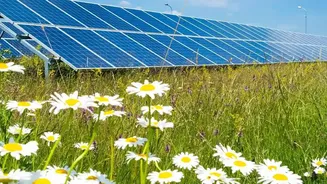
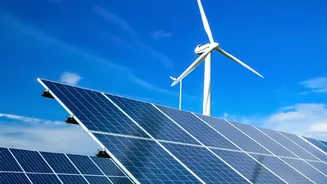
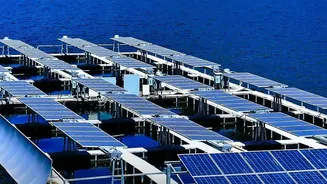
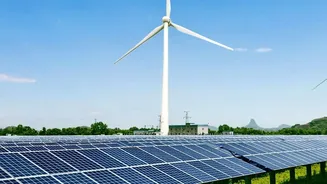
India's growth in the solar sector has been nothing short of spectacular. The country has become the world's third-largest producer of solar power, rapidly adding capacity to its grid. As of mid-2026, India's installed solar capacity reached an impressive
164.59 GW. This boom is driven by ambitious government targets, including a goal of 500 GW from non-fossil fuel sources by 2030, and a push for net-zero emissions by 2070. Initiatives like the National Solar Mission, a massive increase in domestic manufacturing, and schemes for rooftop solar have made India a leader in the global energy transition. However, this rapid expansion has exposed a critical bottleneck: the infrastructure required to handle this new wave of clean energy.
The Generation-Transmission Gap
The core issue is that building solar farms is now faster and easier than building the transmission infrastructure to carry the power they generate. This mismatch creates a significant gap between generation and evacuation. As a result, even when there is high demand for power, some solar farms are asked to curtail, or limit, their output because the grid cannot safely handle the electricity. In just 15 months, India curtailed nearly 11 terawatt-hours of solar generation, enough to power about 10 million homes. A major part of the problem is that solar generation is highly concentrated in a few states, like Rajasthan and Gujarat, which account for nearly half of the country's solar capacity. The transmission corridors from these regions become congested, especially during peak solar generation in the afternoon. While India has annual targets for building new power lines, it has only achieved about 80% of its goals over the past five years, creating a growing backlog.
The Intermittency Problem and Grid Stability
Solar power is inherently intermittent—it is only generated when the sun shines. This variability poses a significant challenge for grid operators who must ensure a stable, continuous supply of electricity 24/7. As demand peaks in the evening when solar generation drops to zero, the grid must quickly ramp up power from other sources, which are often coal-based plants. This rapid switching puts a strain on the entire system. Integrating large amounts of variable renewable energy requires a more flexible and robust grid that can handle fluctuations without collapsing. Without adequate infrastructure to manage this, the risk of grid instability increases, forcing operators to play it safe and curtail renewable power, even during periods of high demand.
The Storage Solution: Batteries are Key
The most promising solution to solar's intermittency is energy storage. Battery Energy Storage Systems (BESS) can store excess solar power generated during the day and release it during the evening peak, effectively making solar power available around the clock. This technology is critical for stabilizing the grid, reducing reliance on fossil fuel 'peaker' plants, and ensuring that the massive investment in solar capacity is fully utilized. While costs are falling, large-scale battery storage is still a significant investment. The government and private sector are now focusing heavily on hybrid projects that combine solar generation with battery storage. Studies have found that renewable power backed by batteries can provide reliable electricity at a price lower than power from new coal plants, making it an economically viable solution.
Policy and Progress: Building the Missing Links
Recognizing these challenges, the Indian government is actively working to bridge the infrastructure gap. The Green Energy Corridors (GEC) project is a massive undertaking to build dedicated transmission lines to evacuate power from renewable-rich states to national demand centers. The project is being implemented in two phases, aiming to integrate tens of gigawatts of renewable power. Additionally, schemes like PM-KUSUM are promoting decentralized solar power in the agricultural sector, which helps reduce the load on long-distance transmission lines by generating power closer to where it's consumed. These initiatives, combined with a growing focus on battery storage and creating a more flexible grid, are crucial steps toward turning India's enormous solar capacity into reliable, usable power for all its citizens.