





Office Workers Need Safer Monsoon Snack Habits
The aroma of hot samosas and pakoras during a downpour is a classic monsoon delight. But as office workers, indulging in these cravings from the nearest street vendor could be setting you up for an unwelcome sick day. Here's why.
The Allure and the Risk of Monsoon Snacking
When it rains, the craving
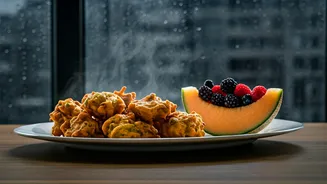
for something hot, fried, and comforting is almost universal. For office-goers, a quick trip to a nearby street stall for bhajis or chaat seems like the perfect break. However, the monsoon season brings a heightened risk of food and waterborne diseases. High humidity and moisture create the ideal breeding ground for harmful bacteria like E. coli and Salmonella. Street food, often prepared in open areas with questionable water sources and hygiene standards, becomes particularly hazardous. Contaminated water used in chutneys or for washing vegetables can easily lead to serious gastrointestinal infections, typhoid, cholera, and hepatitis A.
Rethink Your Fried Favourites
This doesn't mean you have to give up on your beloved monsoon treats entirely. The key is to shift *how* and *where* you consume them. Instead of relying on street vendors, consider healthier cooking methods. Baked samosas or pakoras made in an air fryer significantly cut down on oil without sacrificing the comforting crunch. If you must buy from outside, opt for vendors who are visibly clean and cook the food fresh and hot right in front of you. Avoid items that have been sitting out, especially anything with raw ingredients like salads or pre-cut fruits, as they are more susceptible to contamination. Steamed snacks like dhokla, idlis, and vegetable momos are excellent alternatives that offer the same satisfying warmth with far less risk.
Smart and Safe Office Snack Swaps
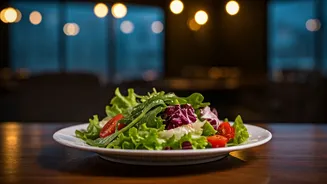
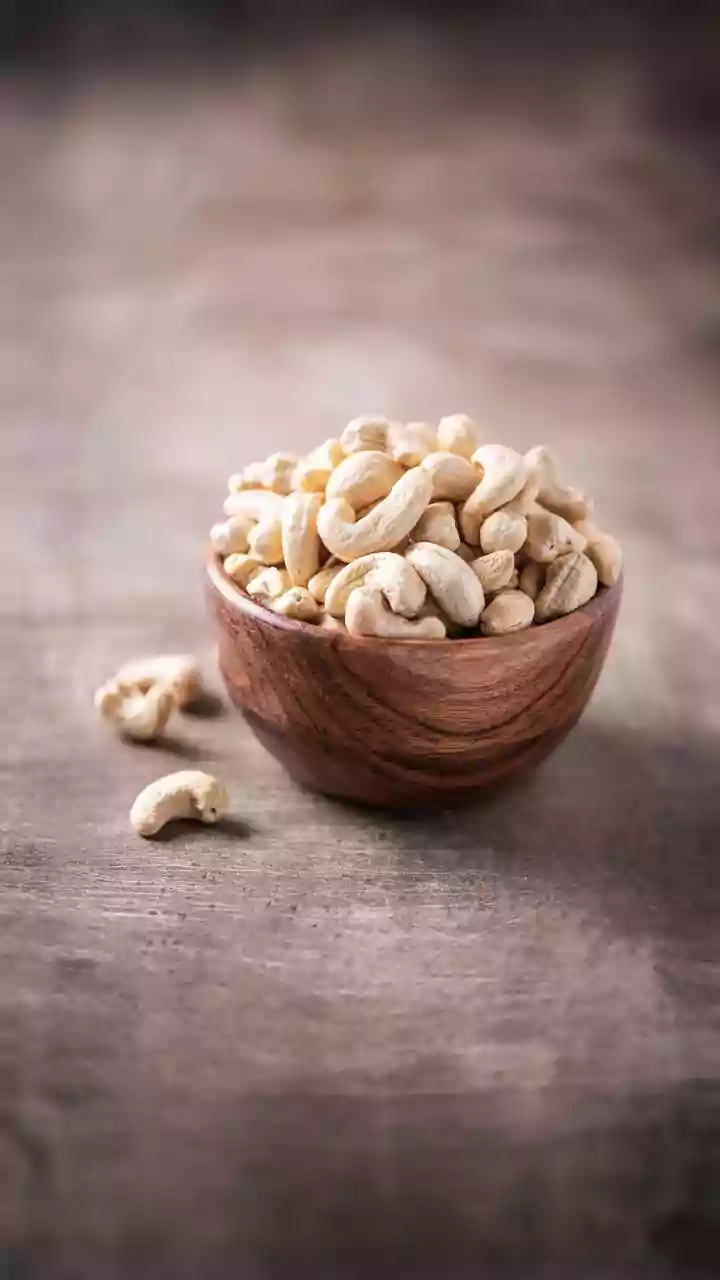
The best way to ensure your snacks are safe is to bring them from home. A little preparation can go a long way in keeping you healthy and productive. Stock your office drawer with non-perishable, monsoon-friendly options. Roasted makhana (fox nuts), masala-roasted nuts like almonds, and roasted chickpeas are fantastic crunchy, and savoury choices. A simple sprouts salad, corn chaat made with boiled corn, or even a vegetable cutlet that's been shallow-fried at home are great options. For those with a sweet tooth, dry fruit laddoos or millet-based energy bites can satisfy cravings without the health risks of street-side sweets. These snacks are not only safer but are also packed with nutrients to keep your energy levels stable through the workday.
Don't Forget About Safe Hydration
Contaminated water is one of the biggest culprits behind monsoon illnesses. It's crucial to be mindful of what you're drinking. Avoid juices, lassis, or nimbu pani from street vendors, as the water quality and ice used are often questionable. Instead, stick to bottled water from trusted brands or carry your own filtered or boiled water from home. To get that comforting warm feeling, opt for hot beverages. A flask of homemade masala chai, ginger tea, or even a simple turmeric latte can be both soothing and immunity-boosting. Soups are another brilliant choice; a warm lemon-coriander or moong dal soup is hydrating, nourishing, and perfect for a rainy day.
Simple Rules for a Healthy Monsoon
Beyond just snacks, a few basic hygiene practices can make a huge difference. The Food Safety and Standards Authority of India (FSSAI) emphasizes washing hands thoroughly with soap and water before eating. If you bring fruits to the office, wash them at home with clean water and avoid buying pre-cut fruits. Ensure any leftovers from lunch are properly refrigerated and reheated thoroughly before consumption. It's also wise to incorporate immunity-boosting ingredients like ginger, garlic, and turmeric into your diet, which can help your body fight off common seasonal infections.