
Mark Your Calendar for the Main Event
The full Harvest Moon of 2026 will reach its peak illumination in India on Saturday, September 26. The exact time of the peak is 10:19 PM IST. Because this peak occurs at night, India is perfectly positioned for a prime viewing experience. While this is the moment
of maximum fullness, the moon will appear impressively full on the night before and after, giving you a wider window to enjoy the view. Local moonrise times will vary slightly by city, so it’s a good idea to check a local sky chart or astronomy app for the precise moment the moon will appear on your eastern horizon.
What Exactly Is a Harvest Moon?
The title 'Harvest Moon' isn't tied to a specific month but rather to the autumnal equinox, which marks the start of autumn in the Northern Hemisphere. The Harvest Moon is simply the full moon that occurs closest to this date. In 2026, the equinox falls on September 22, making the full moon four days later on September 26 the undisputed Harvest Moon. Sometimes this honour falls to October's full moon, but September claims it this year. The name has European origins and comes from a time before electricity, when farmers depended on the moon’s bright light to continue harvesting their crops late into the evening. Other traditional names include the Corn Moon and the Falling Leaves Moon.
The Science Behind the Spectacle
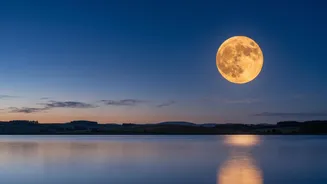
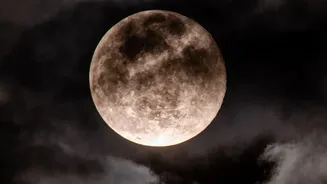
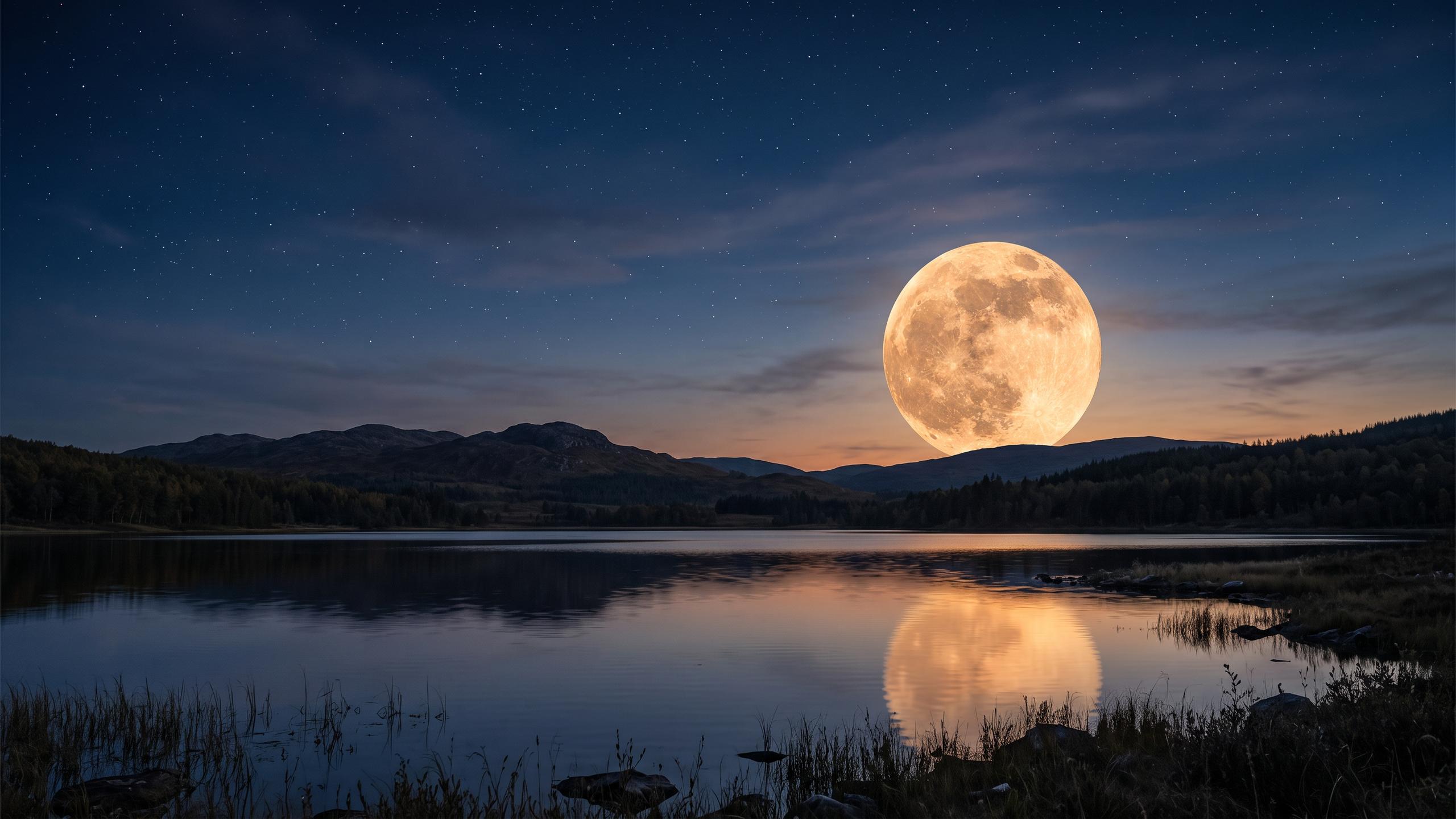
One of the most magical aspects of the Harvest Moon is its tendency to look enormous and vibrantly orange or red as it rises. This isn't because the moon itself changes; it's due to two fascinating effects. The colour comes from a phenomenon called Rayleigh scattering; when the moon is low on the horizon, its light travels through more of Earth's atmosphere, which filters out most colours except for the warmer reds and yellows. The apparent large size is known as the 'Moon Illusion', an optical trick our brains play on us when we see the moon next to objects on the horizon like trees or buildings. What makes the Harvest Moon period truly unique is the timing of moonrise. For several consecutive nights, the moon rises only 25-30 minutes later each evening, as opposed to the usual 50-minute delay. This provides a string of brightly lit nights, the same feature that once helped farmers.
Tips for the Best Viewing Experience
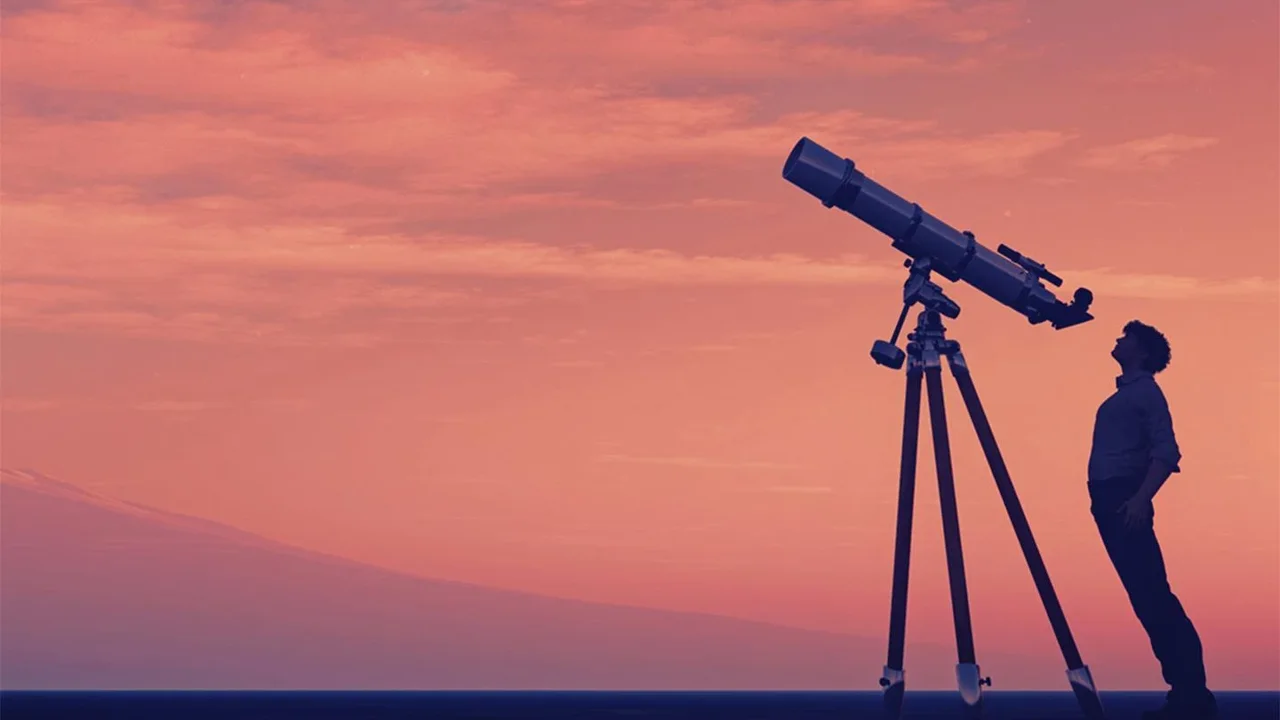
You don't need any special equipment to enjoy the Harvest Moon, just a clear view of the eastern horizon. For the most dramatic sight, step outside around sunset on September 26 and watch the moon begin its ascent. Find a spot away from bright city lights to let your eyes fully adjust to the darkness. While the moon itself is the main attraction, look closely and you might spot the planet Saturn appearing as a bright, star-like object nearby. If you have binoculars or a small telescope, they can reveal stunning details on the lunar surface, from craters to ancient lava plains known as 'maria'. For those interested in photography, using a tripod will help you capture a sharp image, especially when the moon is low and colourful.
A Time of Cultural Significance
Beyond its agricultural roots, the September full moon holds cultural importance. In India, this period often coincides with Pitru Paksha, a time in the Hindu calendar for honouring ancestors. In China and other parts of East Asia, the event aligns with the Mid-Autumn Festival, a time for family gatherings, sharing mooncakes, and celebrating the harvest. For many ancient and modern pagan traditions, the Harvest Moon is a powerful symbol of balance, gratitude, and the transition from the abundance of summer to the quiet of winter. It serves as a natural reminder of the cycles of work, reward, and rest.