

A Shift in Focus
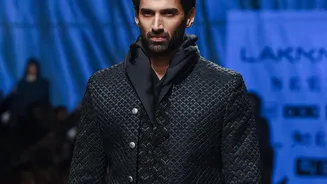
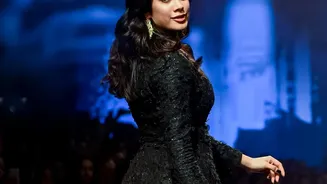
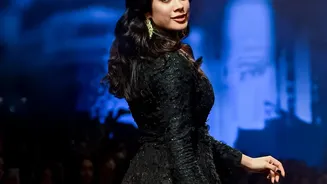
For years, Indian couture has been defined by its masterful embellishments and heritage craftsmanship. But the nineteenth edition of India Couture Week, held in July 2026, signalled a thoughtful evolution. While intricate handwork remained, the narrative
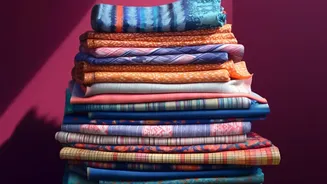
expanded to include material innovation. Designers seemed to ask a collective question: what if the textile itself is the main event? The week was filled with collections that explored this idea, presenting garments where texture and unconventional materials did most of the talking, proving that the future of luxury lies as much in bold ideas as it does in beautiful clothes.
The Material Innovators
Several designers were at the forefront of this textile-forward movement. Rimzim Dadu, long known for her experimental voice, presented 'INLAE,' a collection that pushed the boundaries of form. Staying true to her signature style, Dadu showcased her work with steel-wire detailing and reimagined zardozi. Her collection featured mother-of-pearl, not as an add-on, but as a core component of the textile itself, creating a new conversation between materials. Similarly, Rahul Mishra, who closed the week, brought his acclaimed Paris collection 'Devi' to India, demonstrating how his signature 'ektaarka' embroidery transforms thread into sculptural, almost architectural forms.
Redefining Traditional Weaves
The innovation wasn't limited to futuristic materials. Many designers focused on reimagining India's rich textile heritage for a contemporary audience. Arpita Mehta's debut collection, 'Ceremonial', brought traditional fabrics like Bandhani, Banarasi, and tissue to the forefront, pairing them with her signature mirror work and modern silhouettes like corseted blouses. Anamika Khanna opened the week in Hyderabad with 'Moonlit Palace,' a collection that moved through chapters inspired by Barmer's textile traditions, featuring intricate mirrorwork and gold foil detailing. Tarun Tahiliani also looked to heritage, presenting an immersive exhibition that allowed guests to appreciate the construction and forgotten embroidery techniques of his garments up close.
Sustainability as a Driving Force
Underpinning many of these textile experiments was a clear move towards sustainability. The conversation around conscious fashion is growing louder, and designers are responding by exploring eco-friendly materials and production methods. While the search results for this specific event did not detail every sustainable fabric used, the broader trends in Indian fashion for 2026 point towards a rise in organic cotton, handloom, and fabrics made from recycled materials. Designers like Aisha Rao have previously been noted for their use of bio-badla (a biodegradable glitter), showing how glamour and environmental responsibility can coexist on the runway. This focus on material science represents a significant shift, where luxury is defined not just by opulence, but by ingenuity and ethical consciousness.
From Couture to Closet
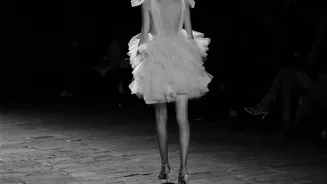
While these experimental pieces are breathtaking on the runway, their journey doesn't end there. India Couture Week serves as the primary preview for the upcoming festive and wedding seasons. The trends seen here often influence bridal and occasion wear for months to come. The emphasis on lighter, more versatile fabrics like organza, tissue, and crepe suggests a move towards couture that is wearable and less confined by tradition. The focus on innovative textures and sculptural forms over heavy, all-over embroidery provides a fresh template for modern brides and wedding guests who want something unique. This season demonstrated that Indian couture is not just preserving tradition; it is actively reinventing it for a global audience.