


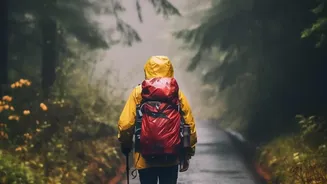
Treasures of the Monsoon Forest
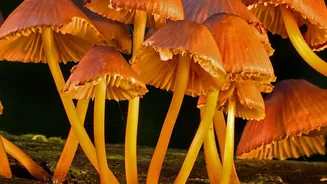
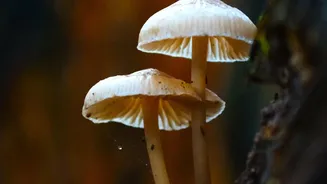
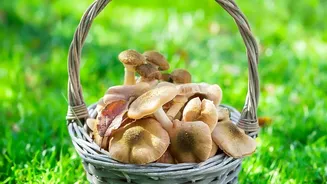
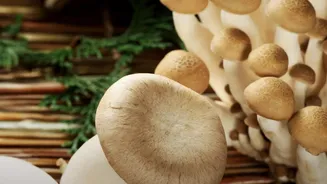
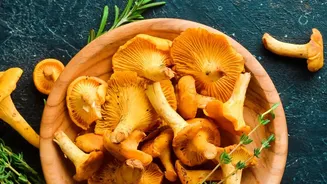
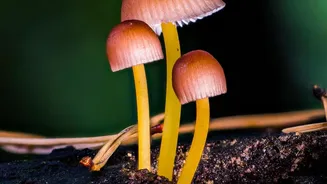
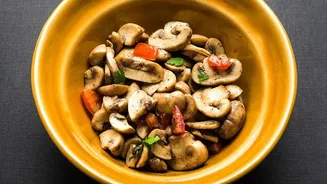
Forget the uniform button mushrooms of the supermarket aisle; this boom is about hyperlocal, wild fungi that appear for only a few weeks a year. In Goa and along the Konkan Coast, the star is the 'Olmi' or 'Alambi' mushroom (a species of Termitomyces),
which grows near termite mounds and is prized for its nutty flavor and meaty texture. In states like Jharkhand, Odisha, and Chhattisgarh, communities celebrate the 'Rugda', a puffball-like mushroom that grows near Sal trees and is often called 'vegetarian mutton' for its unique bite. Meanwhile, in the high Himalayan regions of Kashmir and Himachal Pradesh, foragers search for the elusive 'Gucchi' or morel mushroom. With its distinctive honeycomb cap and deep, earthy flavour, the Gucchi is one of the world's most expensive fungi, a testament to its rarity and the difficulty of its harvest. These mushrooms cannot be commercially cultivated in the region and must be foraged by hand, often in treacherous terrain.
The Keepers of an Ancient Tradition
The knowledge of which mushrooms are edible, where they grow, and when to find them is a tradition passed down through generations, primarily within India’s indigenous and tribal communities. For centuries, these communities have been the custodians of the forest, their lives and livelihoods deeply intertwined with the natural cycles of their environment. Women and children are often the most skilled foragers, their keen eyes able to spot the subtle signs of a mushroom emerging from the forest floor. Foraging is more than a source of food; it's a vital part of their cultural heritage and provides seasonal income. In local markets across Goa, the Western Ghats, and Odisha, these foraged goods are sold, offering a direct link between the forest and the consumer.
From Forest Floor to Fine Dining
In recent years, this ancient practice has captured the imagination of India's top chefs, who are increasingly turning to foraged ingredients to create innovative and deeply personal menus. Chefs like Vanika Choudhary of Mumbai's Noon and Radhika Khandelwal of Delhi's Fig & Maple are at the forefront of this movement, showcasing wild ingredients that have rarely been seen in mainstream urban restaurants. They work with local communities and foragers to source everything from Himalayan Gucchi to wild greens and edible flowers like Mahua. This isn't just about finding new flavours; it's about reconnecting with the land and honouring the communities that have preserved this knowledge. By featuring these ingredients, chefs are educating diners, expanding palates, and creating a new appreciation for India's incredible biodiversity.
More Than Just Mushrooms
The growing interest in wild mushrooms is part of a larger revival of 'forest foods' across the country. This category includes a vast array of uncultivated ingredients like fiddlehead ferns (Lingdu) from Himachal, colocasia leaves from Maharashtra, and dozens of other wild greens, tubers, and berries. This movement challenges the conventional food system by emphasizing seasonality, sustainability, and the importance of biodiversity. As chefs and consumers show more interest, it provides a valuable economic incentive for tribal communities to continue their traditional practices. However, it also comes with a responsibility to forage sustainably, ensuring that these resources are not over-exploited and that the communities who are the original stewards of this knowledge are given the credit and economic benefits they deserve.