



The Science of Your Body Clock
Your body runs on an internal 24-hour clock known as the circadian rhythm. This master timekeeper, located in a part of your brain called the suprachiasmatic nucleus (SCN), governs nearly every biological process, from hormone release and body temperature
to hunger and, most importantly, your sleep-wake cycle. When this rhythm is stable, you feel alert during the day and sleepy at night. However, modern life—with its indoor lighting and late-night screens—can easily throw this clock out of sync, leading to daytime grogginess and difficulty sleeping. Light is the single most powerful signal your body uses to set and stabilize this clock every single day.
How Morning Light Resets Your System
When bright, natural light enters your eyes first thing in the morning, it sends a powerful 'wake up' signal to your brain. This exposure triggers two crucial hormonal shifts. First, it suppresses the production of melatonin, the hormone that makes you feel sleepy. Second, it stimulates a healthy morning spike in cortisol. While often called the “stress hormone,” a morning cortisol rise is essential for feeling awake, alert, and focused. This early light exposure essentially anchors your entire daily rhythm, even setting a timer for your body to start producing melatonin again about 14 to 16 hours later, preparing you for a good night's sleep.
Is 10 Minutes Really Enough?
The headline's promise of 10 minutes is a great starting point, and on a bright, sunny day, it can be highly effective. However, the ideal duration depends on the intensity of the light. Neuroscientists like Andrew Huberman suggest a flexible approach: on clear, sunny days, aim for 5 to 10 minutes. On overcast days, you’ll need more time, typically around 15 to 20 minutes, because cloud cover filters the light. Even on a grey day, outdoor light is significantly more powerful than even the brightest indoor lights, making it worth the effort. Consistency is more important than hitting a perfect number, so start with what's manageable and build from there.
Your Practical Morning Light Plan
Making this a habit is simple. The key is to get outside within the first 30 to 60 minutes of waking up, when your body is most receptive to this light signal. You don't need to stare directly at the sun—doing so can harm your eyes. Just face its general direction and let the ambient light do its work. For the best results, leave your sunglasses off, as they block the specific wavelengths of light your brain needs. It's also important to get outside, as window glass filters out a significant portion of the beneficial light. You can stack this new habit with an existing one, like drinking your morning coffee on the porch, taking a short walk, or simply standing outside for a few moments before starting your day.
What If I Can’t Get Outside?
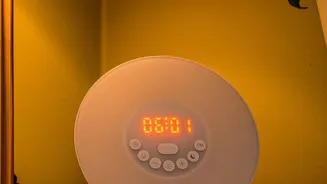
For those who wake up before sunrise, live in climates with harsh weather, or have mobility issues, getting natural sunlight isn't always possible. In these cases, technology offers a solid alternative. The first step is to turn on as many bright indoor lights as you can upon waking to give your body an initial signal. For a more powerful effect, consider a light therapy lamp, often called a SAD lamp. These devices are designed to mimic natural sunlight, and using a 10,000-lux lamp for 15 to 30 minutes in the morning can effectively help manage your circadian rhythm. They are a well-researched tool for treating various sleep and mood disorders, including delayed sleep phase syndrome and seasonal affective disorder (SAD).