




The Shift Away from Overindulgence
For many, festive gatherings in India are synonymous with tables groaning under the weight of rich curries, fried snacks, and decadent sweets. While food is central to celebration, the pressure to eat everything can lead to discomfort and regret. However,
a welcome trend is emerging. More people are embracing a 'quality over quantity' approach. This change is driven by a growing awareness of health and well-being, coupled with a desire to truly enjoy food rather than simply consume it. Even some restaurants and caterers are responding, offering smaller, tasting-style plates that allow diners to sample a variety of dishes without feeling overwhelmed. This move towards moderation isn't about restriction; it's about enhancing the festive experience by staying present and feeling good.
What Mindful Eating Truly Means
Mindful eating is the practice of paying full attention to the experience of eating, using all your senses. It’s not a diet but an awareness technique that helps you reconnect with your body’s natural hunger and fullness signals. Instead of eating on autopilot while engrossed in conversation or watching TV, you slow down. Pay attention to the colours, smells, textures, and flavours of your food. It takes about 20 minutes for your brain to register that you're full, and eating slowly gives your body a chance to send that signal before you've overeaten. This practice can increase your enjoyment of food, meaning you can feel satisfied with smaller amounts.
The Power of Smaller Servings
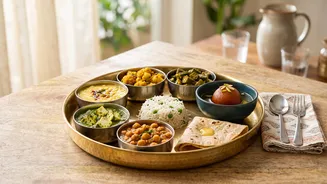
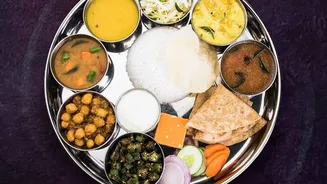
The simple act of using a smaller plate can be transformative. Research consistently shows that people tend to eat more when served larger portions, so reducing the size of your plate can significantly lower calorie intake without you feeling hungrier. At a festive buffet, this strategy is particularly effective. Instead of piling your plate high on the first go, take smaller servings of the dishes that appeal to you most. This allows you to relish the diverse flavours without overloading your system. One practical approach is the plate method: fill half your plate with vegetables or salad, a quarter with a protein source like paneer or dal, and the final quarter with grains like rice or roti. This ensures a balanced meal and helps prevent the common post-feast energy dip.
Navigating the Buffet with Ease
Festive buffets can be tempting minefields. A little strategy can make all the difference. Before you even pick up a plate, do a quick survey of all the available options. This prevents you from loading up on the first few things you see. Start with lighter fare like salads or grilled vegetables to take the edge off your hunger. It’s also wise not to arrive at a party completely famished, as this often leads to overeating. Having a small, healthy snack like a piece of fruit or a handful of nuts before you go can help you make more conscious choices. Finally, remember that it’s okay to politely decline food. Don't feel pressured to have second or third helpings if you are comfortably full.
Hosting for Mindful Celebrations
If you're hosting a festive meal, you can help your guests enjoy themselves mindfully. Offer a wide variety of dishes, including plenty of fresh vegetables, salads, and lean proteins alongside the richer, more traditional foods. Consider using smaller serving spoons for calorie-dense items. You can also support mindful eating by creating a relaxed environment where the focus is on connection and conversation, not just the food. Rather than pressuring guests to eat more, create a space where they feel comfortable listening to their own bodies. Arranging food away from the main mingling area can also discourage mindless grazing.