






Embrace the Bodyweight Circuit
One of the most effective and accessible ways to exercise indoors is by using your own body as resistance. Bodyweight circuits involve performing a series of exercises in a sequence with minimal rest in between. This method builds functional strength,
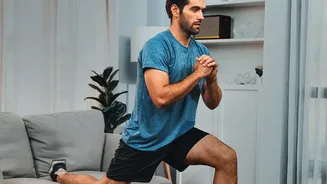
improves cardiovascular health, and can be done in a small space. A simple and effective circuit could include squats, push-ups, lunges, and planks. For instance, you could perform each exercise for 45 seconds, rest for 15 seconds, and then move to the next. After completing all exercises, rest for a minute and repeat the entire circuit three to four times. This approach works major muscle groups and keeps your heart rate elevated.
Find Your Flow with Yoga
Gloomy, rainy days can impact your mood, and yoga is a perfect antidote. It combines physical postures with breathing exercises and mindfulness, helping to improve flexibility, balance, and mental clarity. You don't need to be an expert to start. There are countless free, beginner-friendly yoga sessions available online that you can follow from your living room. Start with foundational poses like Mountain Pose, Downward-Facing Dog, Warrior poses, and Cat-Cow stretches to get your body moving and release tension. Even a short 10 or 15-minute practice can leave you feeling more centred and energised.
Unleash Energy with HIIT
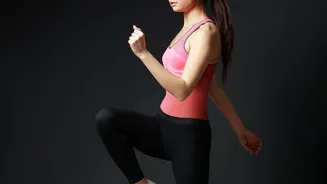
If you're short on time but want a high-impact workout, High-Intensity Interval Training (HIIT) is your answer. This training style involves short bursts of intense exercise followed by brief recovery periods. HIIT is incredibly efficient at burning calories and improving cardiovascular fitness. An at-home, no-equipment HIIT routine could feature exercises like jumping jacks, high knees, burpees, and mountain climbers. Try a 2:1 work-to-rest ratio, such as 40 seconds of maximum effort followed by 20 seconds of rest. A full HIIT session can be completed in just 15 to 20 minutes, making it easy to fit into a busy day.
Turn Your Home into a Gym
You can get surprisingly creative by using everyday household items for resistance and support. A sturdy chair can be used for triceps dips, which target the back of your arms. Use a staircase for a cardio session by walking or running up and down for several minutes. Filled water bottles or heavy books can substitute for light dumbbells during exercises like bicep curls or overhead presses. By looking around your home, you can find many tools to enhance your workout without spending any money on special equipment.
Dance It Out
Who said workouts have to feel like work? Putting on your favourite music and having a dance party is a fantastic way to get your heart rate up and lift your spirits on a dreary day. Whether you follow a choreographed routine from an online video—like Zumba or Bhangra—or just move freely, dancing is an excellent full-body cardio exercise. It improves coordination, burns calories, and is a proven mood-booster. Set aside 20-30 minutes, create a playlist of upbeat songs, and just let loose in your living room.
Focus on Mobility and Stretching
Being stuck indoors can sometimes lead to more sedentary behaviour, which can cause muscle stiffness. Dedicate some of your indoor time to flexibility and mobility work. This doesn't just mean static stretching after a workout. Incorporate dynamic stretches like leg swings and torso twists to warm up your muscles, and mobility exercises to improve the range of motion in your joints. Simple exercises like foam rolling (if you have a roller) or gentle stretching can prevent aches, improve posture, and contribute significantly to your overall physical well-being.