





The Rise of the Ghost Kitchen
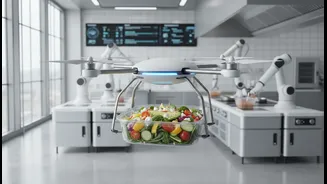
Cloud kitchens, also known as ghost kitchens, are essentially restaurants without a storefront. They exist purely to serve the booming online food delivery market, operating from commercial spaces optimised for preparing and dispatching orders. This model
dramatically reduces overheads like rent for premium locations and front-of-house staff, allowing for lower startup costs and greater operational flexibility. Major players have built empires on this model, often by focusing on popular, easy-to-scale cuisines like biryani, pizza, and noodles. The success formula has been clear: focus on a limited menu, optimise production speed, and master the logistics of delivery. This efficiency has been a game-changer, making online food ordering a daily habit for millions.
A Growing Appetite for Health
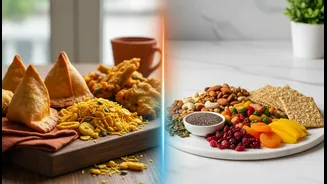
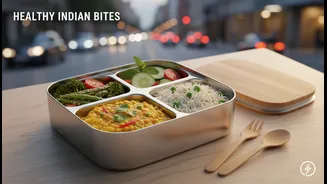
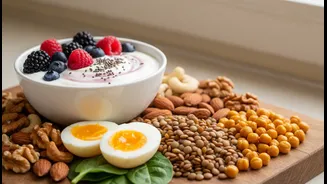
Even as convenience drives orders, consumer preferences are evolving rapidly. A significant shift towards health and wellness is reshaping the Indian market. Recent reports show a massive surge in demand for healthier food options, with a large majority of consumers prioritising ingredients like protein and showing a willingness to pay more for nutritious meals. This trend is particularly strong among Gen Z and urban professionals. Consumers are no longer satisfied with just salads; they are seeking calorie-counted dishes, vegan options, and meals free from preservatives. This growing health consciousness represents a massive, underserved segment of the food delivery market.
Why Healthy Is Harder
If the demand is there, why is your delivery app not flooded with high-quality, healthy options? The answer lies in a complex web of operational and economic challenges. Firstly, the economics are tough. Fresh, high-quality ingredients cost more and have a shorter shelf life, increasing the risk of wastage. Secondly, healthy meals often require more complex and delicate preparation than a one-pot biryani. Maintaining consistency and quality at scale is a significant hurdle. Finally, there's the delivery itself. A wilted salad or a lukewarm soup is a delivery failure. Preserving the temperature, texture, and nutritional integrity of healthy food requires sophisticated, and often expensive, cold chain logistics and packaging solutions that the fast-food model doesn't need to the same extent.
Cracking the Healthy Code
Despite the difficulties, the opportunity is too large to ignore, and some brands are beginning to innovate. The solution isn't just about the food, but the entire business model. Some are exploring subscription services, which create predictable demand and reduce ingredient wastage. Others are focusing on hyperlocal delivery to shorten transit times and ensure freshness. Technological innovations in packaging, such as modified atmosphere packaging (MAP) that extends shelf life and smart labels with QR codes for ingredient transparency, are also crucial. Building a brand that customers trust for health and quality, without the benefit of a physical restaurant, requires a focused effort on transparency and direct customer engagement.