








The Dawn of a Multilingual Mainstream
Not long ago, primetime entertainment in India was largely a monolithic affair, ruled by Hindi-language content. Today, that hierarchy has been flattened. The concept of a "pan-India" film is no longer a rare exception but a powerful new reality, proving
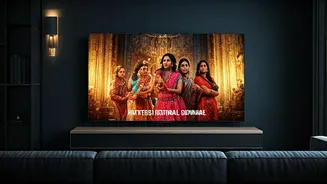
that compelling stories can transcend linguistic barriers. Thanks to subtitles and high-quality dubbing, audiences are embracing content from across the country. [6, 8] This shift means a film from the South Indian states, West Bengal, or Maharashtra can capture the national imagination, a trend underscored by the success of numerous non-Hindi productions in recent years. [3, 14] The Indian watchlist is no longer defined by one language, but by a multitude of them, reflecting the nation's true diversity. [2]
The Great Enabler: The OTT Boom
The single biggest catalyst for this change has been the explosion of Over-The-Top (OTT) platforms. Services like Netflix, Amazon Prime Video, Disney+ Hotstar, and ZEE5 have democratized content distribution, offering a direct path to viewers that bypasses the logistical and financial hurdles of traditional theatrical releases. [4, 8] These platforms provide an unprecedented avenue for regional cinema to reach audiences far beyond their native states. [6] This digital disruption has created a more level playing field, where a small, low-budget film with a strong script can compete for attention with a star-studded epic. [4] Furthermore, platforms are increasingly investing in regional originals and creating language-specific subscription packs, recognizing that the next wave of growth lies in catering to diverse linguistic communities. [3, 5]
A Renaissance of Rooted Storytelling
This isn't just a story about distribution; it's about the content itself. Many viewers and critics argue that regional industries are producing some of India's most innovative and authentic stories. [5] Freed from the immense box-office pressures that often lead to formulaic plots, creators in languages like Malayalam, Tamil, and Marathi are experimenting with new genres and complex narratives. [8, 16] They are telling hyperlocal stories that resonate with cultural nuances, which, paradoxically, often gives them a universal appeal. [5, 18] The creative freedom afforded by OTT platforms has nurtured a new generation of writers and directors who are pushing artistic boundaries and tackling subjects once considered too niche for mainstream cinema. [8]
The Numbers Behind the Narrative
The trend is backed by clear data. Regional languages are projected to account for more than half of all content on OTT platforms. [2, 5] Viewership statistics show a significant and growing appetite for non-Hindi content, which now reportedly drives over 50% of the paid OTT market in India. [3, 18] South Indian languages in particular have become a powerhouse, with some platforms reporting that this content accounts for nearly 45% of their total watch-time. [3, 5] This trend is especially pronounced among younger audiences, with reports indicating that a vast majority of Gen Z viewers regularly watch content that has been translated from another language, signaling a permanent shift in consumption habits. [13, 22]
A More Connected Creative Ecosystem
The rise of language-led content is not diminishing Hindi cinema but is instead fostering a more integrated and collaborative national industry. Bollywood is increasingly looking towards regional talent and narratives for inspiration, leading to more remakes and cross-industry collaborations. Stars and directors are moving more fluidly between languages, creating a truly Indian film industry rather than siloed regional ones. [15] This cross-pollination enriches the entire ecosystem, as different filmmaking sensibilities influence each other, leading to fresher and more varied content for everyone. The success of dubbed content has made the 'language factor' virtually non-existent, paving the way for good stories to prosper, regardless of their origin. [17]