



From Festive Menu to Cultural Event
Not long ago, a restaurant’s nod to a festival like Onam or Bihu was a special, limited-time menu. While delicious, it was primarily a food-focused affair. Now, that concept has blossomed into something far more elaborate. Restaurants are transforming
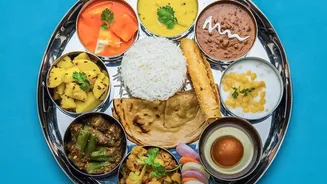
their spaces with traditional decor, curating music playlists, and even weaving in storytelling elements to transport diners to the heart of the celebration. An Onam celebration, for instance, is no longer just about serving a sadhya; it’s about recreating the communal joy of the harvest festival. These events are about creating a memory, not just serving a meal, turning the restaurant into a temporary hub for cultural immersion.
Rediscovering India's Culinary Diversity
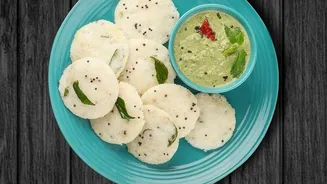
For years, mainstream Indian restaurant menus were dominated by a handful of popular North Indian dishes. This trend is changing that. By focusing on regional festivals, chefs are unearthing and showcasing a staggering diversity of cuisines that rarely found the spotlight. A Bihu special might introduce diners to Assamese smoked delicacies and rice-based pitha, while a Pongal feast can highlight the specific culinary traditions of Tamil Nadu. This shift is driven by a growing curiosity among modern Indian diners who are eager to explore the nuances of their own country's food heritage. They are seeking authenticity and are excited to learn the stories behind the ingredients and recipes.
The Savvy Business of Authenticity
In a fiercely competitive food and beverage market, standing out is crucial. Creating special festival experiences is a brilliant business strategy. These limited-time events generate significant buzz and a sense of urgency, encouraging patrons to visit before the opportunity is gone. According to industry insiders, festive seasons can drive a 25-40% increase in footfall for restaurants that plan creative campaigns. Offering a unique cultural experience justifies a premium price point, moving the conversation from discounts to value. Furthermore, it helps build a loyal community around the brand. Diners who connect with a restaurant on a cultural level are more likely to become repeat customers and brand advocates.
An Instagram-Worthy Affair for a New Generation
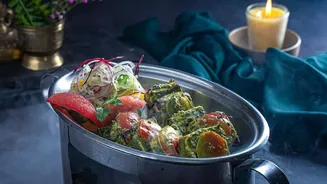
In the age of social media, an experience that isn’t shareable barely happened. Restaurants understand this perfectly. A vibrant pookalam (flower carpet) for Onam, the rustic decor of a Baisakhi celebration, or a beautifully plated sadhya on a banana leaf are all highly photogenic moments. Establishments are leveraging this by creating visually appealing setups that encourage diners to take pictures and share them online. Behind-the-scenes videos of chefs preparing the feast or time-lapses of the decor going up build anticipation and serve as powerful, organic marketing. This digital word-of-mouth is invaluable, reaching new audiences and cementing the restaurant's reputation as a destination for unique experiences. Collaborations with food bloggers and influencers during these festivals further amplify their reach.
Meeting the Modern Diner's Demands
Today's consumer is more discerning than ever. They are increasingly trading up, prioritising quality and story over sheer quantity or convenience. The perception of dining out has shifted from an occasional indulgence to a regular habit, and with it, expectations have risen. Diners are looking for more than just a meal; they are looking for an event, a memorable outing that offers a deeper sense of connection. This trend of creating immersive festival experiences directly caters to this demand for food that feels both comforting and meaningful. It's a recognition that hospitality is evolving from a transaction (food on a plate) to a relationship built on shared culture and storytelling.